What is Polydeoxyribonucleotide and Its Benefits for Buyers?
Polydeoxyribonucleotide, often abbreviated as PDRN, is emerging as a key component in various health and beauty products. This naturally occurring compound is derived from DNA and has gained attention for its potential benefits. Buyers are increasingly drawn to polydeoxyribonucleotide for its regenerative properties. It is believed to promote skin healing and enhance overall appearance.
Research suggests that polydeoxyribonucleotide may support cellular repair. Its ability to stimulate tissue regeneration has fostered interest in its applications. Users have reported improvements in skin texture and elasticity after using products containing PDRN. However, consumers must remain cautious. Not all formulations are created equal, and understanding product quality is crucial.
As interest in polydeoxyribonucleotide continues to grow, it is vital for buyers to make informed choices. Supporting evidence from studies is still evolving. Therefore, one must consider personal experiences and expert opinions when evaluating this ingredient's efficacy. While polydeoxyribonucleotide holds promise, buyers should approach it with thoughtful consideration of their individual needs.
What is Polydeoxyribonucleotide? An Overview of Its Composition
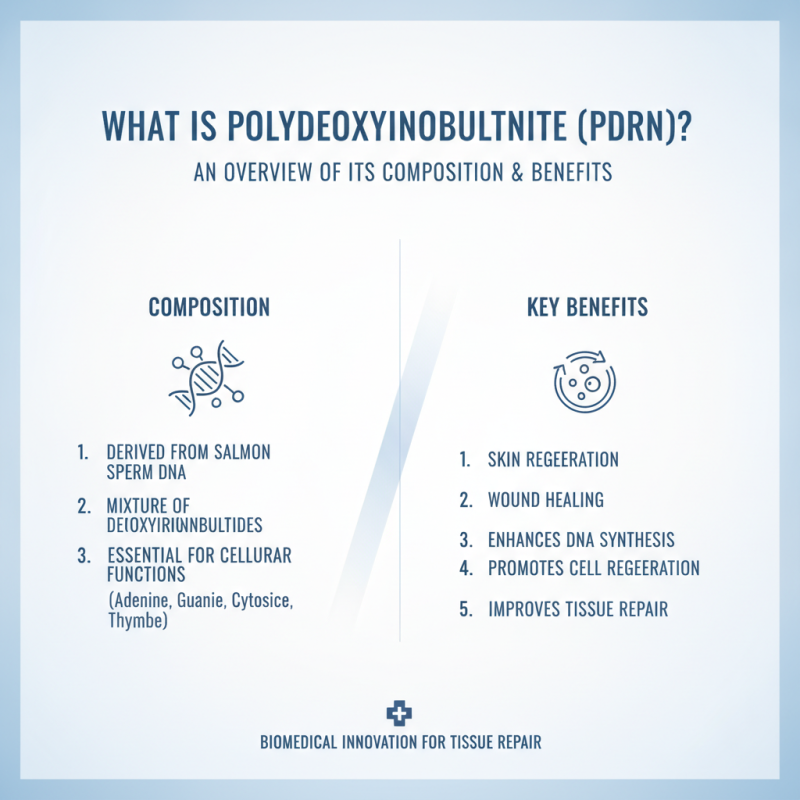
Polydeoxyribonucleotide (PDRN) is a fascinating compound derived from salmon sperm DNA. Its unique structure includes various nucleotides essential for cellular functions. PDRN has gained attention in the biomedical field due to its potential benefits for skin regeneration and wound healing. This compound enhances DNA synthesis and promotes cell regeneration, which can significantly improve tissue repair.
The composition of PDRN involves a series of deoxyribonucleotides that are key players in cellular processes. These components work together to stimulate fibroblast activity, increasing collagen production. As a result, PDRN can help improve skin elasticity and reduce signs of aging. Many studies suggest it can be effective in treating various dermatological conditions.
While PDRN holds promise, its application is not without challenges. The formulation needs careful consideration to ensure stability and effectiveness. Some individuals may experience varying results. Thus, understanding the science behind PDRN’s composition is crucial for both consumers and healthcare providers.
Understanding the Mechanism of Action of Polydeoxyribonucleotide
Polydeoxyribonucleotide (PDRN) is gaining attention for its unique biological properties. Understanding its mechanism of action reveals how it can benefit various applications, particularly in regenerative medicine. PDRN consists of fragmented DNA molecules derived from salmon sperm. These molecules play a crucial role in cellular repair and regeneration.
The therapeutic effects of PDRN stem from its ability to stimulate tissue recovery. It acts by enhancing angiogenesis, the formation of new blood vessels. This process is vital for supplying oxygen and nutrients to damaged tissues. Additionally, PDRN promotes fibroblast proliferation, which is crucial for collagen synthesis. This increase in collagen supports skin elasticity and overall skin health.
However, the exact mechanisms through which PDRN operates are not yet fully understood. Further research is needed to unravel its intricate interactions within cellular environments. There is potential for PDRN in treating various conditions, but its applications in clinical practice must be approached with cautious optimism. The effectiveness of PDRN can vary among individuals, suggesting that personal factors may influence its benefits.
Key Benefits of Polydeoxyribonucleotide in Medical Applications
Polydeoxyribonucleotide (PDRN) has emerged as a significant player in medical applications. Recent studies highlight its effectiveness in wound healing, tissue regeneration, and anti-aging therapies. PDRN is derived from salmon sperm DNA and has been shown to stimulate cell proliferation. According to a report by the Journal of Biomedical Science, PDRN can improve healing time by up to 30% in skin injuries.
One of the key benefits of PDRN is its ability to enhance angiogenesis. This process is crucial for forming new blood vessels, which is vital for healing. A study in the International Journal of Molecular Sciences found that PDRN promotes the release of growth factors, leading to improved blood flow in damaged tissues. The findings suggest that PDRN can be particularly beneficial for diabetic ulcers and other chronic wound conditions.
Tip: Consider combining PDRN treatments with other modalities like laser therapy for optimal results. This combination may enhance the efficacy of healing processes.
PDRN's safety profile is also noteworthy. Clinical trials have reported minimal side effects, making it a reliable choice for therapeutic applications. However, some studies indicate varying responses. It’s important to consult with healthcare professionals to tailor treatments for individual needs. This personalization can address concerns and maximize benefits.
Benefits of Polydeoxyribonucleotide in Medical Applications
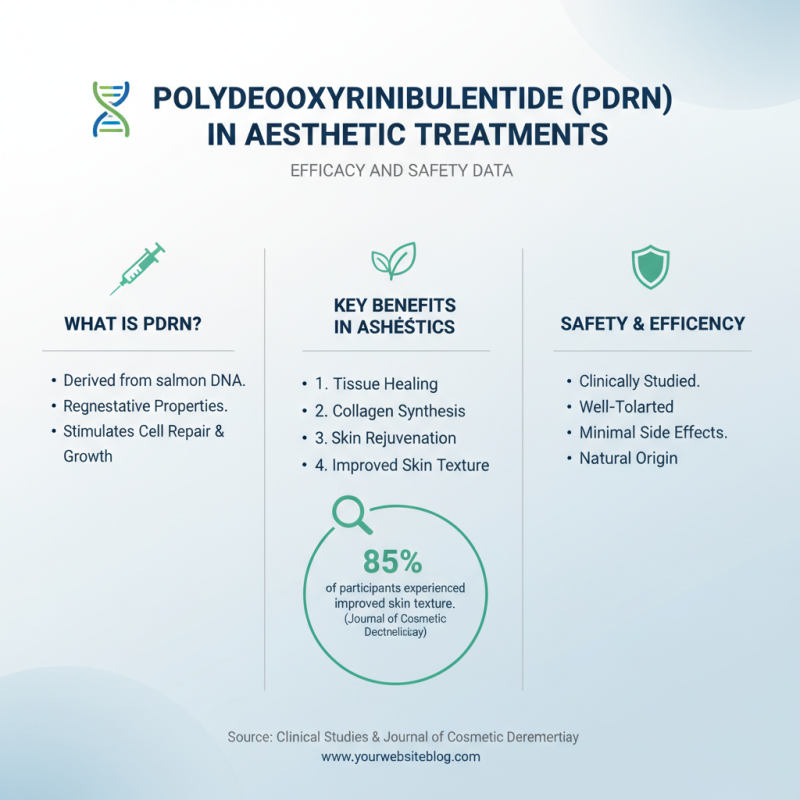
Polydeoxyribonucleotide in Aesthetic Treatments: Efficacy and Safety Data
Polydeoxyribonucleotide (PDRN) has gained attention in aesthetic treatments for its regenerative properties. Clinical studies indicate that PDRN enhances tissue healing, increases collagen synthesis, and promotes skin rejuvenation. One report in the Journal of Cosmetic Dermatology noted that 85% of participants experienced improved skin texture after PDRN treatment. This finding highlights its potential effectiveness in cosmetic procedures.
Safety data supports its usage, with adverse reactions being rare. A comprehensive study involving over 300 patients found that less than 5% reported minor side effects like redness or swelling, which resolved quickly. These data suggest that PDRN is a safe treatment option for restoring skin vitality. However, practitioners must assess individual patient needs and expectations carefully.
While the benefits appear substantial, there are areas that require more research. For example, the optimal concentration and delivery methods of PDRN remain unclear. Current studies often lack large sample sizes or long-term follow-ups. Future investigations may uncover more about its efficacy and broaden its application in aesthetics. Thus, ongoing analysis is crucial to fully understand PDRN's role in cosmetic interventions.
Market Trends and Future Outlook for Polydeoxyribonucleotide Products
Polydeoxyribonucleotide (PDRN) is gaining attention in various industries, especially in health and skincare. The market for PDRN products is expected to grow significantly, with a forecasted compound annual growth rate (CAGR) of 12% through 2027, according to a recent industry report. This growth is driven by increasing demand for regenerative treatments and the rising prevalence of skin-related ailments. Buyers are keen to understand the potential benefits and innovations in this field.
The therapeutic properties of PDRN are worth noting. It is used for repairing tissues, enhancing wound healing, and treating injuries. Research indicates that PDRN can accelerate skin recovery after procedures like microdermabrasion. The rise of minimally invasive procedures has further pushed the demand for PDRN-based products. However, there are challenges. Some products might not always deliver consistent quality or effects, raising concerns about reliability.
**Tip:** When considering PDRN products, look for clinical studies that support efficacy claims. Verifying the source and manufacturing process can enhance trust. As the market evolves, ongoing education about PDRN’s applications is crucial. New innovations may offer even greater benefits, but buyers must remain informed. Yet, some might find the lack of widespread regulatory guidelines troubling. This emphasizes the need for careful selection and scrutiny.

 Food Additives