

Active Pharmaceutical Ingredients




What is Salicin Powder?
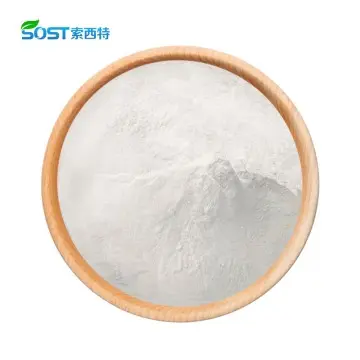
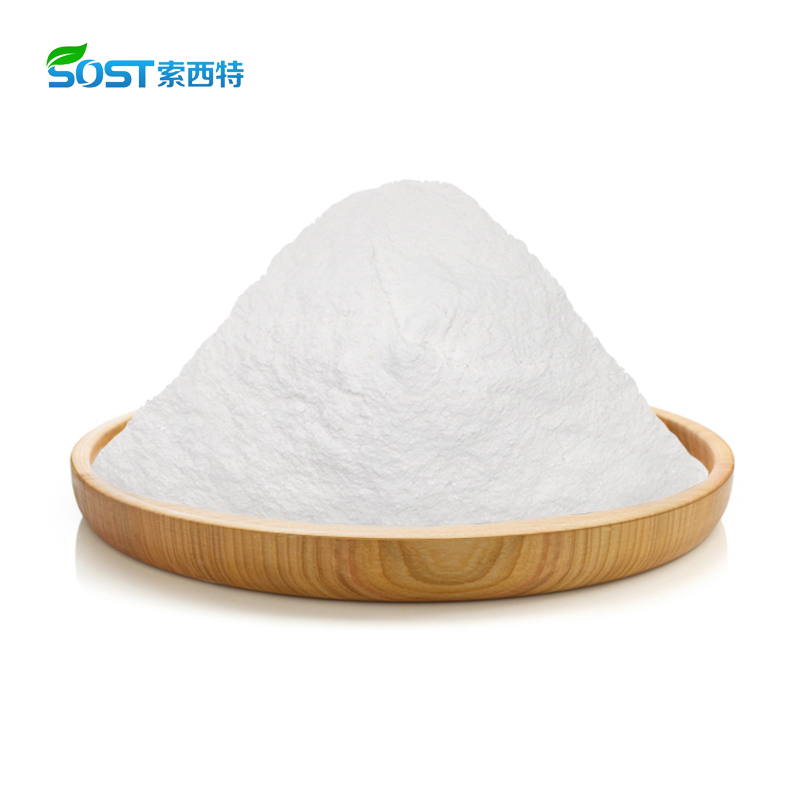
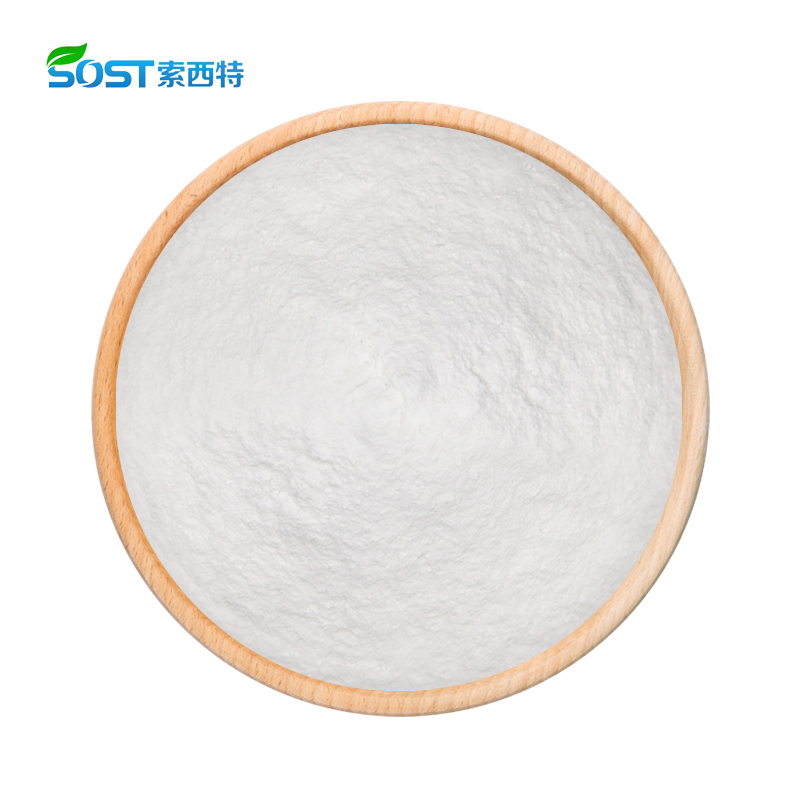
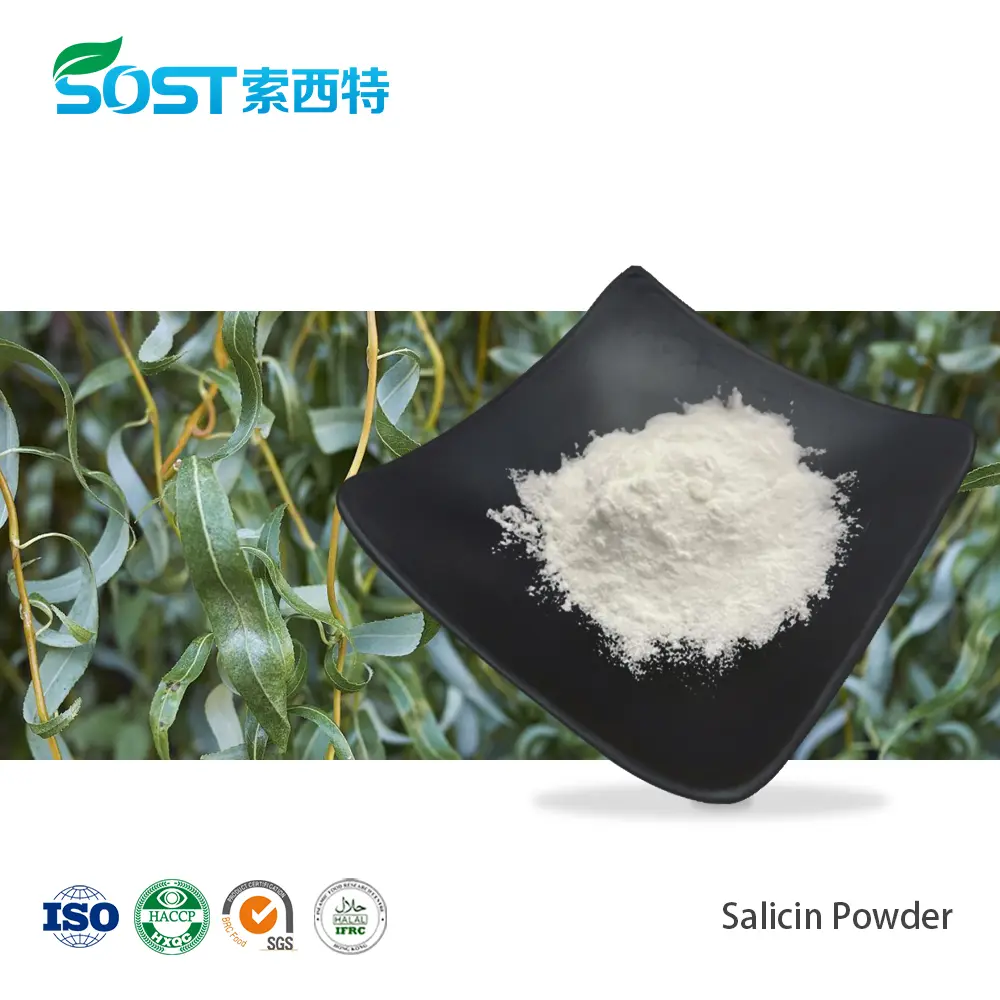
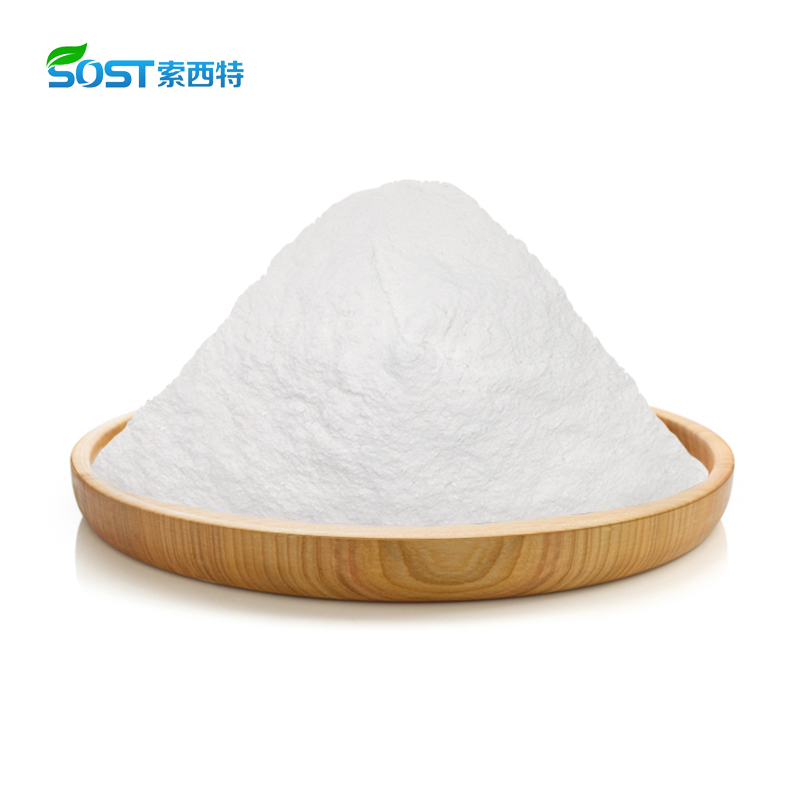
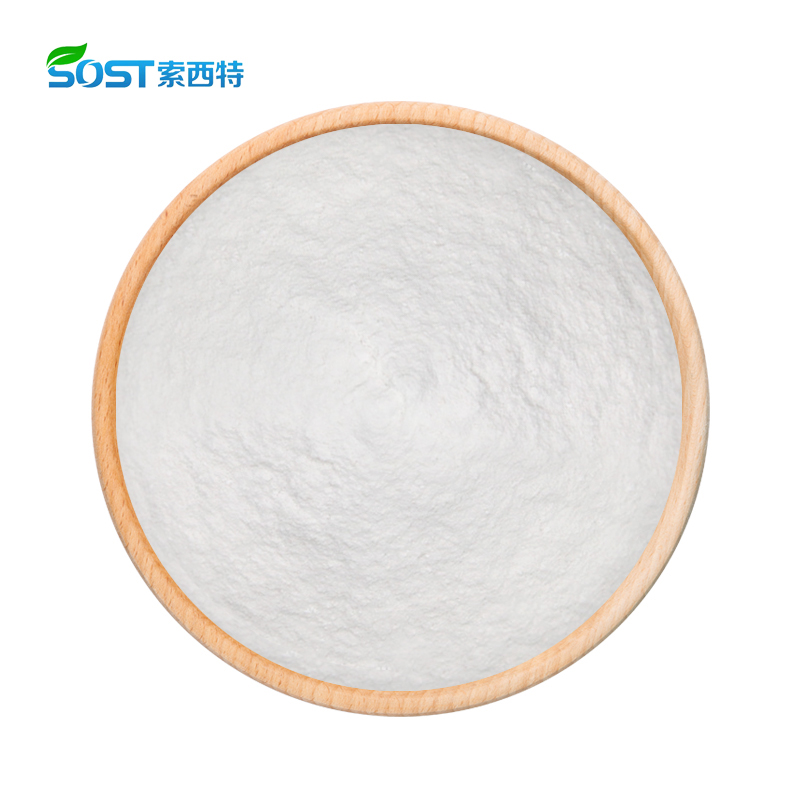
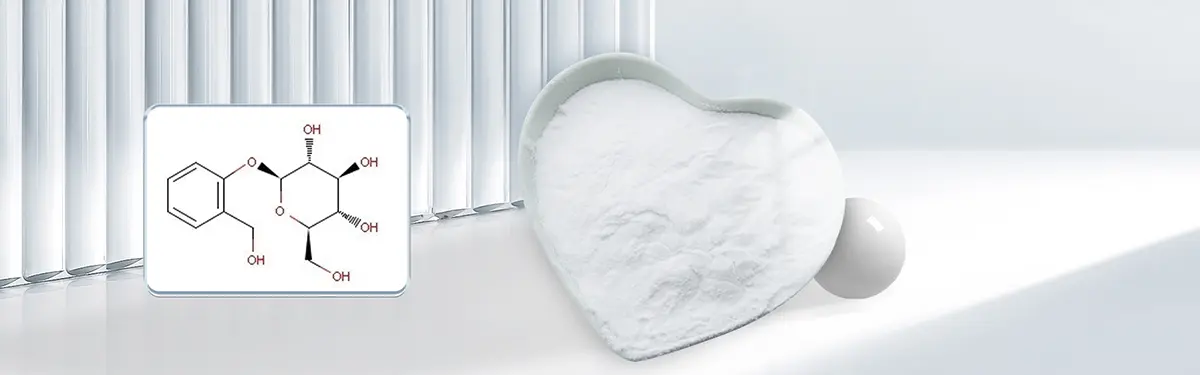
Salicin powder is a naturally occurring phenolic glycoside (chemical formula: C₁₃H₁₈O₇, molecular weight: 286.28). It consists of glucose and salicyl alcohol linked by a glycosidic bond, forming a crystalline or white powder that absorbs moisture (hygroscopic). It dissolves in water and boiling water, has limited solubility in ethanol, and is insoluble in ether and chloroform.
*Botanical Origin: Primarily found in the bark and leaves of Salix (willow) and Populus (poplar) species. Purple willow bark contains the highest concentration (25–30%).
*Extraction Source: Commonly derived from the branches, leaves, or bark of white willow (Salix alba).
*Geographic Distribution: Widespread in temperate and subtropical zones, with willow trees as the primary natural source.
*Botanical Origin: Primarily found in the bark and leaves of Salix (willow) and Populus (poplar) species. Purple willow bark contains the highest concentration (25–30%).
*Extraction Source: Commonly derived from the branches, leaves, or bark of white willow (Salix alba).
*Geographic Distribution: Widespread in temperate and subtropical zones, with willow trees as the primary natural source.
COA
| Analysis | Description | Test Method |
| Appearance | white powder | Visual |
| Odor | Characteristic | Organoleptic |
| Identification | Conform with reference sample | Organoleptic |
| Mesh Size | 100% pass 80 mesh | 80mesh screen |
| Moisture Content | ≤ 1.0% | GB5009.3-2016 |
| Heavy Metals | ≤ 10 ppm | GB 5009.3 |
| Arsenic (As) | ≤ 1.5 ppm | GB 5009.4 |
| Lead (Pb) | ≤ 2 ppm | GB 5009.11 |
| Cadmium(Cd) | ≤1ppm | GB 5009.12 |
| Mercury (Hg) | ≤1ppm | GB 5009.17 |
| Total Plate Count | ≤10000 cfu/g | GB 5009.15 |
| Yeast and Mold | ≤100 cfu/g | GB 5009.3 |
| Escherichia Coli | < 10cfu/g | GB 5009.4 |
| Salmonella/25g | Absent | GB 5009.11 |
| Effective constituent | Salicin≥98% | HPLC |
What does salicin powder do?
Pharmacological Effects
*Pain Relief & Fever Reduction: Historically used for rheumatism, headaches, and fevers. Acts similarly to aspirin but with fewer gastrointestinal side effects.
*Anti-Inflammatory & Anti-Rheumatic: Converts to salicylic acid in the body, inhibiting inflammatory compounds like prostaglandins. Effective for chronic conditions (e.g., arthritis).
*Skin Care: Topical use reduces redness, soothes acne, sunburn, and herpes with less irritation than salicylic acid.
*Anti-Aging: Boosts collagen production, improves skin elasticity, and reduces wrinkles.
*Digestive Support: Bitter taste stimulates stomach function and provides mild local anesthesia.
Modern Uses
*Medical: Treats mild fevers, colds, and pain. A daily dose of 1,360 mg white willow bark extract (240 mg salicin) relieves joint/back pain in clinical trials.
*Cosmetics: Added to skincare (e.g., 5% concentration for diaper rash, sunburn). Patented for atopic dermatitis and sensitive skin care.
*Supplements: Supports joint health and chronic pain management with long-term safety.
*Pain Relief & Fever Reduction: Historically used for rheumatism, headaches, and fevers. Acts similarly to aspirin but with fewer gastrointestinal side effects.
*Anti-Inflammatory & Anti-Rheumatic: Converts to salicylic acid in the body, inhibiting inflammatory compounds like prostaglandins. Effective for chronic conditions (e.g., arthritis).
*Skin Care: Topical use reduces redness, soothes acne, sunburn, and herpes with less irritation than salicylic acid.
*Anti-Aging: Boosts collagen production, improves skin elasticity, and reduces wrinkles.
*Digestive Support: Bitter taste stimulates stomach function and provides mild local anesthesia.
Modern Uses
*Medical: Treats mild fevers, colds, and pain. A daily dose of 1,360 mg white willow bark extract (240 mg salicin) relieves joint/back pain in clinical trials.
*Cosmetics: Added to skincare (e.g., 5% concentration for diaper rash, sunburn). Patented for atopic dermatitis and sensitive skin care.
*Supplements: Supports joint health and chronic pain management with long-term safety.
Salicin Extraction Method
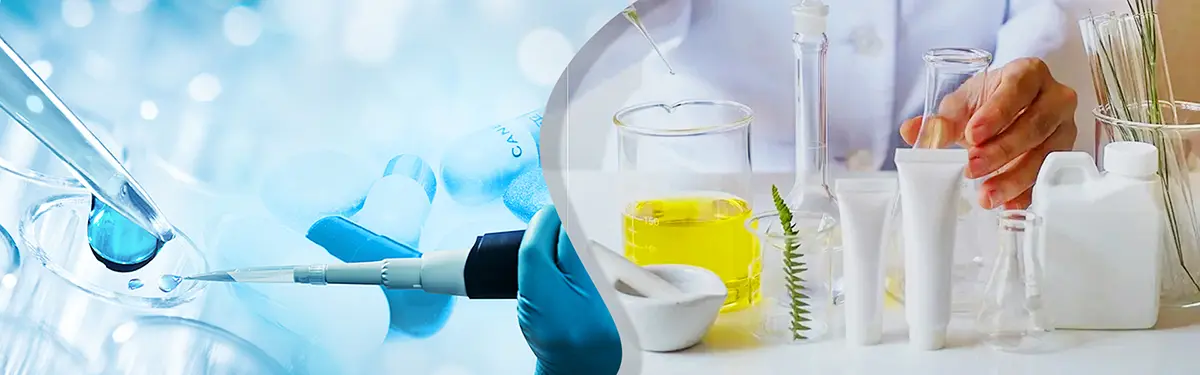
1.Raw Material Prep: Dry and crush willow branches, leaves, or bark.
2.Alcohol Extraction: Soak in ethanol to dissolve salicin.
3.Purification: Use chromatography (e.g., HPLC) to isolate high-purity salicin.
4.Storage: Keep in cool, dry conditions (shelf life: ~2 years).
5.Quality Control: HPLC testing ensures ≥98% purity salicin powder. Complies with cosmetic safety standards (e.g., CFDA approval) and toxicity tests.
2.Alcohol Extraction: Soak in ethanol to dissolve salicin.
3.Purification: Use chromatography (e.g., HPLC) to isolate high-purity salicin.
4.Storage: Keep in cool, dry conditions (shelf life: ~2 years).
5.Quality Control: HPLC testing ensures ≥98% purity salicin powder. Complies with cosmetic safety standards (e.g., CFDA approval) and toxicity tests.
Where to buy Salicin powder?
Buy Salicin Powder - Contact SoST Biotech for:
✓ Bulk discounts (MOQ 25kg)
✓ FREE 20g samples with COA
✓ OEM services/Specification Customization
Email:ericyang@xasost.com
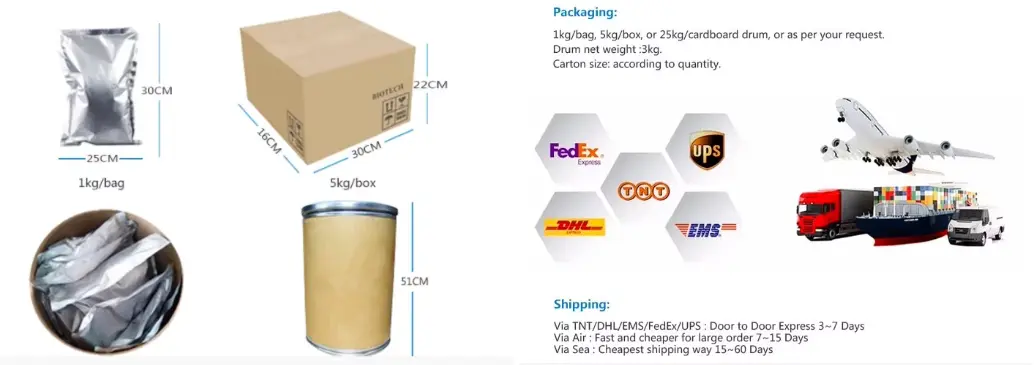
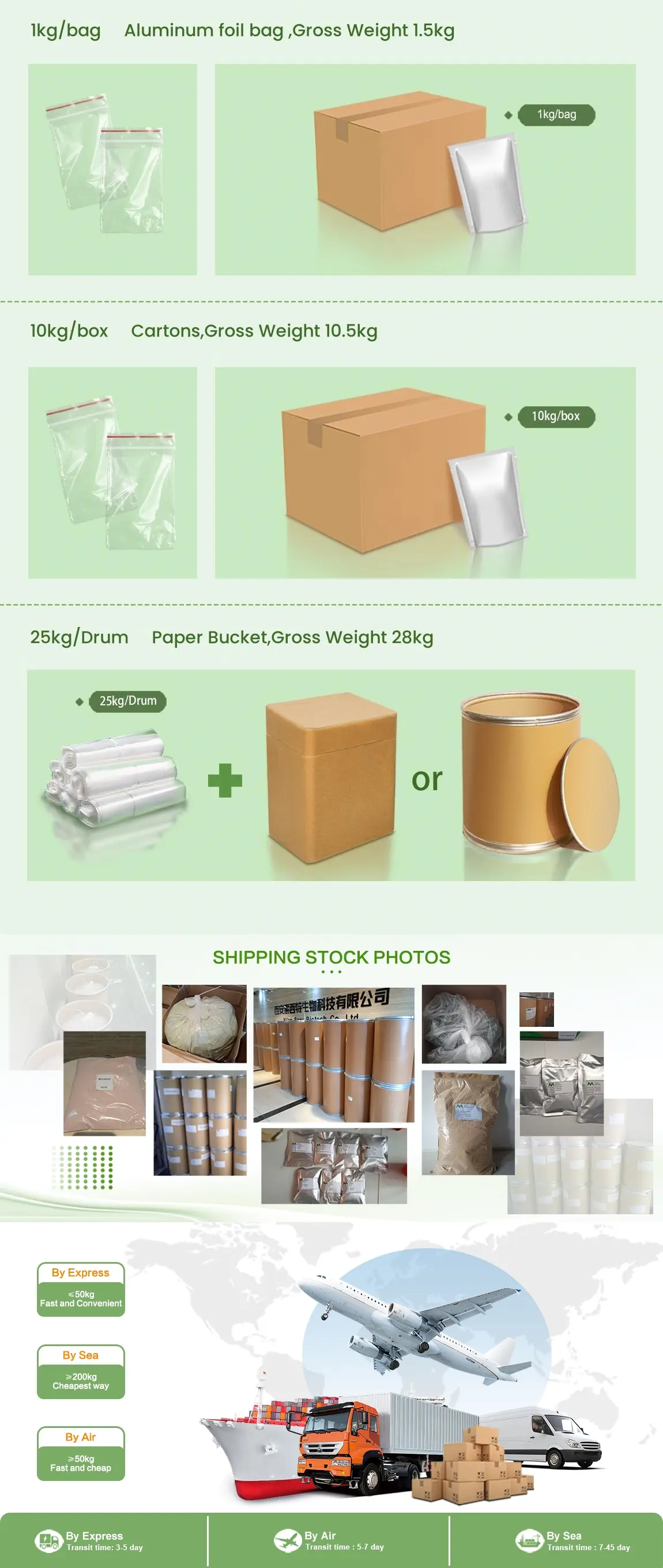
Packing & Shipping
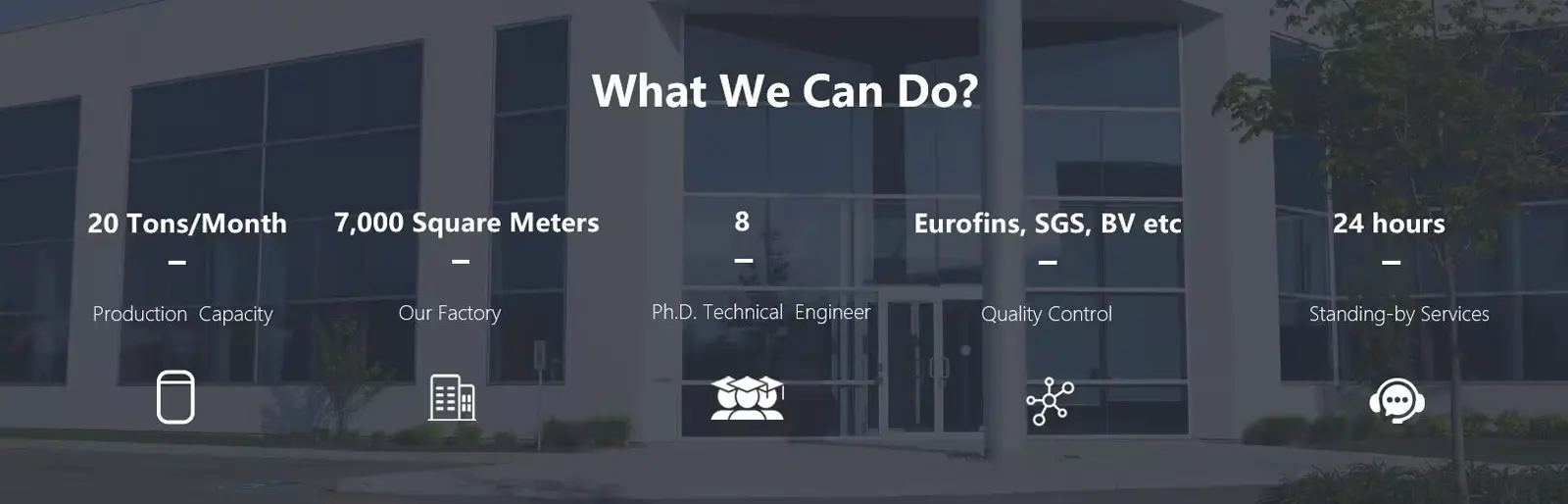
What We Can Do?
Product Data Sheets
| Analysis | Description | Test Method |
| Appearance | white powder | Visual |
| Odor | Characteristic | Organoleptic |
| Identification | Conform with reference sample | Organoleptic |
| Mesh Size | 100% pass 80 mesh | 80mesh screen |
| Moisture Content | ≤ 1.0% | GB5009.3-2016 |
| Heavy Metals | ≤ 10 ppm | GB 5009.3 |
| Arsenic (As) | ≤ 1.5 ppm | GB 5009.4 |
| Lead (Pb) | ≤ 2 ppm | GB 5009.11 |
| Cadmium(Cd) | ≤1ppm | GB 5009.12 |
| Mercury (Hg) | ≤1ppm | GB 5009.17 |
| Total Plate Count | ≤10000 cfu/g | GB 5009.15 |
| Yeast and Mold | ≤100 cfu/g | GB 5009.3 |
| Escherichia Coli | < 10cfu/g | GB 5009.4 |
| Salmonella/25g | Absent | GB 5009.11 |
| Effective constituent | Salicin≥98% | HPLC |