




Whatapp :+86 13165723260        Email: ericyang@xasost.com
Leave Your Message
*Name Cannot be empty!
* Enter product details such as size, color,materials etc. and other specific requirements to receive an accurate quote. Cannot be empty
NMNH Reduced Nicotinamide Mononucleotide
Cosmetic Raw Materials

NMNH Reduced Nicotinamide Mononucleotide

Product Name: NMNH Reduced Nicotinamide Mononucleotide
Specifications: 99%
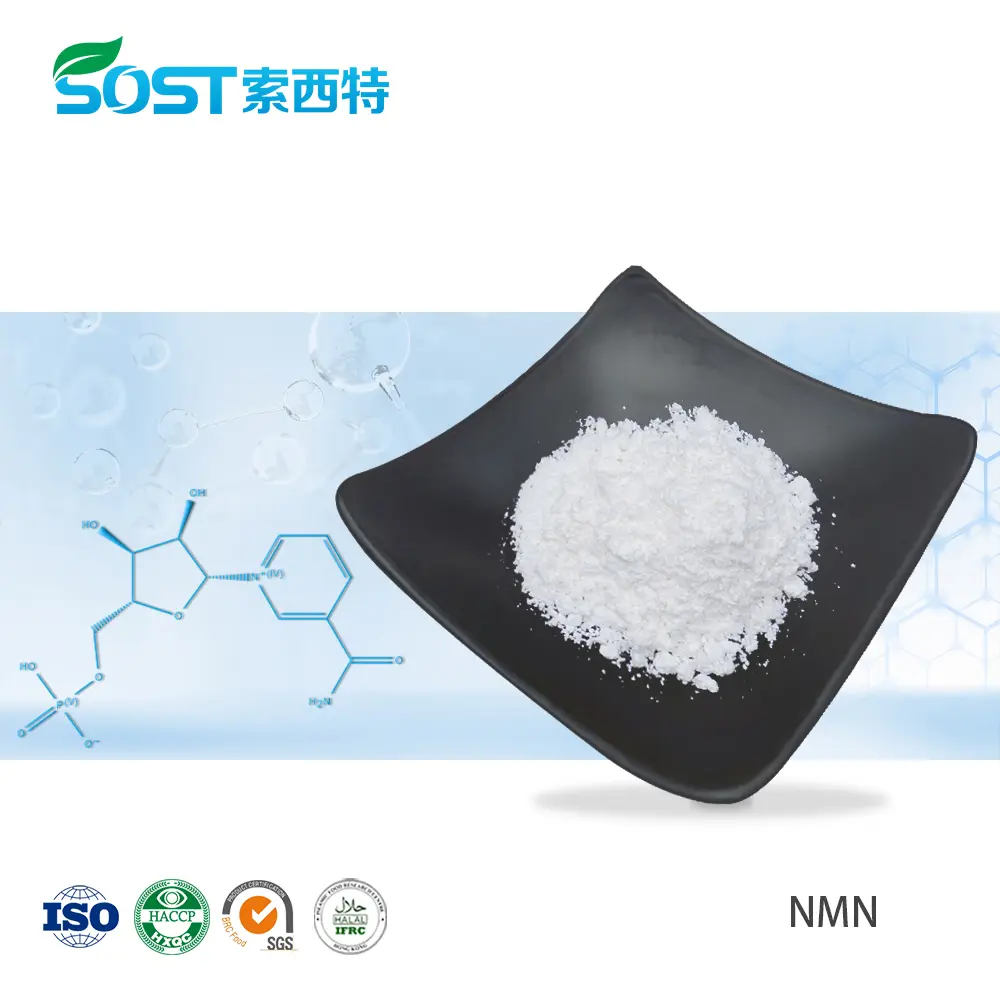
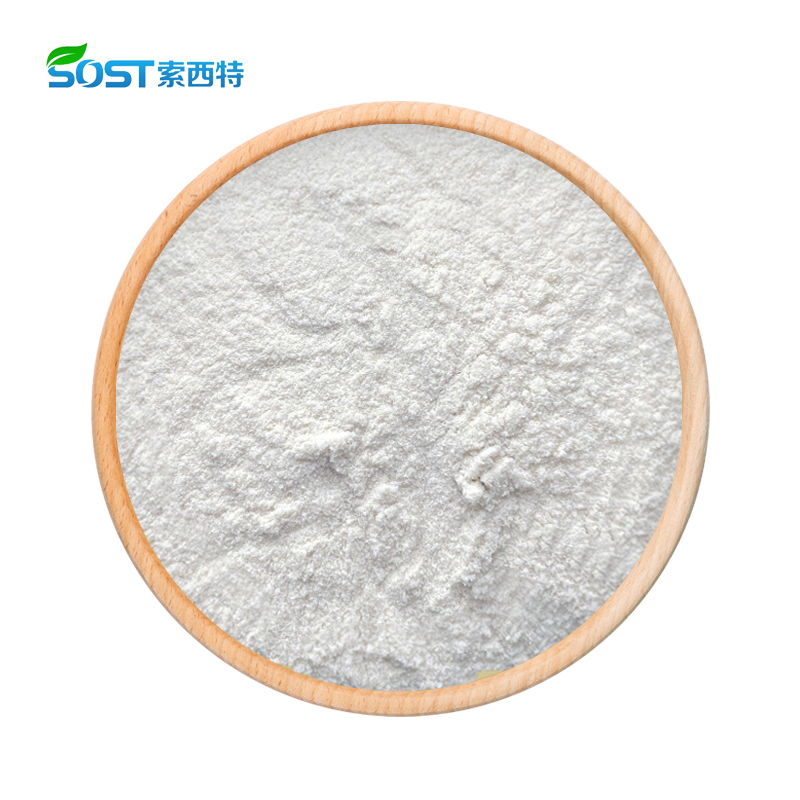
Appearance: White Powder
CAS NO.: 108347-85-9
Test Method: HPLC
Sample: Free Sample
Stock: In Stock
Shelf Life: 2 Years


    • fday7r
    • HACCPzbi
    • Halalkp2
    • ISOq8g
    • Kosherpsw
    • mgyjvjc
    • omyjvdg


    What is NMNH Reduced Nicotinamide Mononucleotide?
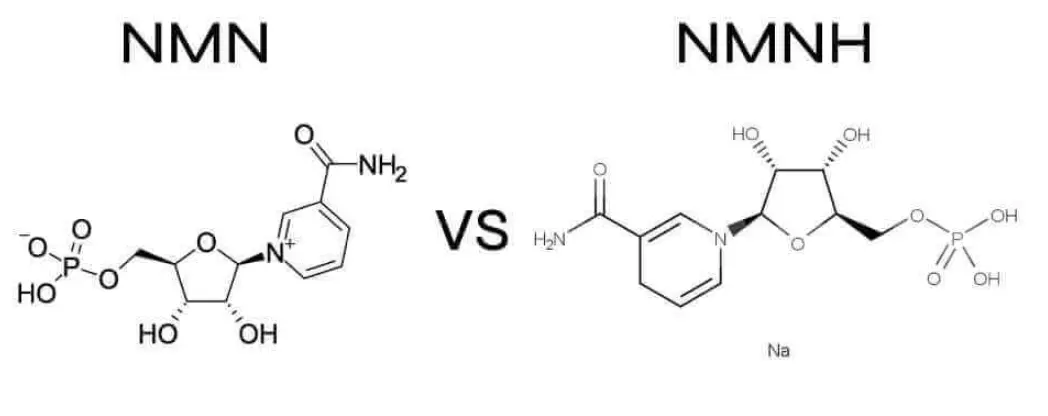
    NMNH Reduced Nicotinamide Mononucleotide is not a completely new compound, it is a biologically reduced derivative of NMN. There are two synthetic routes: first, using NMN as a substrate, which can be reduced by xanthine dehydrogenase or aldehyde ketoreductase in the presence of NADPH. Second, using an enzymatic coupling process, nicotinamide riboside (NR) is simultaneously phosphorylated and reduced to the disodium salt NMNH in one step. The result is a white, hygroscopic powder that is sensitive to light, heat, and oxygen and should be stored under inert gas at −20°C in the dark. Due to the presence of reducing functional groups, NMNH is less stable than NMN. However, once inside the cells, nicotinamide is recognized by mononucleotide adenylyltransferase (NMNAT) within 15 minutes and directly converted to NADH, which is then rapidly oxidized to NAD+, leading to an efficient “reduction followed by oxidation” cycle.
    NMN VS NMNH

    COA

    Item

    Spec.

    Result

    Test method

    Appearance

    Off-white or yellowish powder

    Conforms

    Visual

    Identification

    H NMR

    Conforms

    H NMR

    C NMR

    Conforms

    C NMR

    P NMR

    Conforms

    P NMR

    LC-MS

    Conforms

    LC-MS

    Sodium(Na)

    9%-14%

    9.58%

    ICP-MS

    Purity

    ≥98.0%

    99.5%

    HPLC

    Water

    15%-28%

    26.1%

    KF

    PH(1 g/100 ml water, 17 °C)

    8.0-10.5

    9.99

    CPh

    Arsenic (As)

    ≤0.5ppm

    Conforms

    Conforms

    Lead (Pb)

    ≤0.5ppm

    Conforms

    ICP-MS

    Mercury (Hg)

    ≤0.1ppm

    Conforms

    ICP-MS

    Cadmium (Cd)

    ≤0.5ppm

    Conforms

    ICP-MS

    Total Plate Count

    NMT1000cfu/g

    <10cfu/g

    USP43

    Yeast & Mold

    NMT100cfu/g

    <10cfu/g

    USP43

    E.Coli

    Negative

    Negative

    USP43

    Salmonella

    Negative

    Negative

    USP43

    Staphy lococcus Aureus

    Negative

    Negative

    USP43

    Pseudomonas aeruginosa

    Negative

    Negative

    USP43

    Bile-tolerant Gram-Negative Bacteria

    Negative

    Negative

    USP43

    Candida albicans

    Negative

    Negative

    USP43

    Clostridia

    Negative

    Negative

    USP43

    Coliforms

    NMT 0.92MPN/g

    <0.3MPN/g

    GB4789.3

    Shelf Life&Storage

    2years.Inert atmosphere.Long term:below-20 °C;Short term:2-8°C

    The main effect of reducing β-nicotinamide mononucleotides

    Improving both NAD+ pathways: NMNH can generate NAD+ in the storage pathway and can also generate NADH, which is then oxidized to NAD+ by the respiratory chain. These two pathways act simultaneously, increasing the maximum intracellular NAD+ concentration by 2.1-fold.

    Enhanced Antioxidant Effect: The reduced form can directly scavenge hydroxyl free radicals, reduce ROS levels by approximately 35%, and reduce mitochondrial membrane lipid peroxidation.

    Metabolic regulation: In a hepatocyte model, NMNH inhibited the expression of the lipogenic gene SREBP-1c and reduced triglyceride accumulation by 18%. It also activates AMPK, increasing the rate of fatty acid oxidation.

    Anti-inflammation and inhibition of abnormal proliferation: Animal studies have shown that NMNH can reduce the nuclear translocation of NF-κB, reduce the secretion of TNF-α and IL-6, and inhibit the G1/S phase in tumor cells.

    Can reduced β-nicotinamide mononucleotide be taken as a supplement?
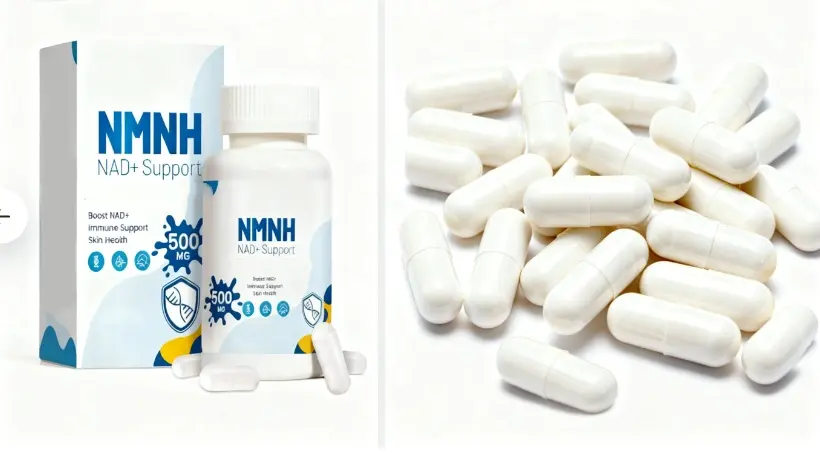
    NMNH and its salts containing magnesium, zinc, copper, iron, and manganese increase blood and serum NAD+ levels by 50–500 mg/kg −10/well without appreciable toxicity. In the same year, an article published in ACS Pharmacology & Translational Science confirmed that plasma NAD+ concentrations increased 2.3-fold within 2 h after an oral dose of 200 mg of NMNH in healthy volunteers, indicating good tolerability. Based on these results, NMNH was included in the dietary supplement catalog of several European and American manufacturers with a recommended daily dose of 200–400 mg taken with food in two divided doses to reduce oxidative degradation and increase bioavailability.
    NMNH supplements

    Where to buy reduced β-nicotinamide mononucleotide?
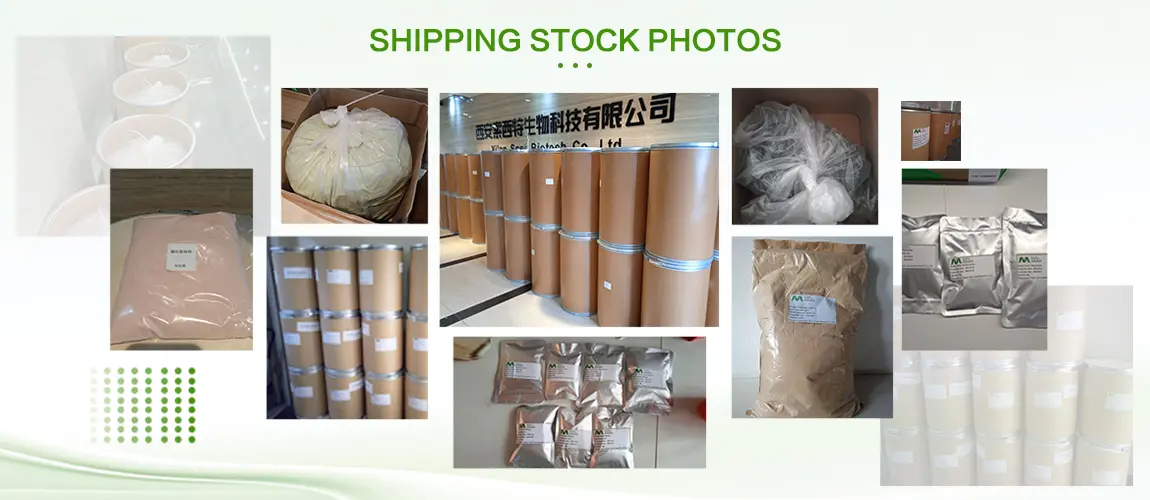
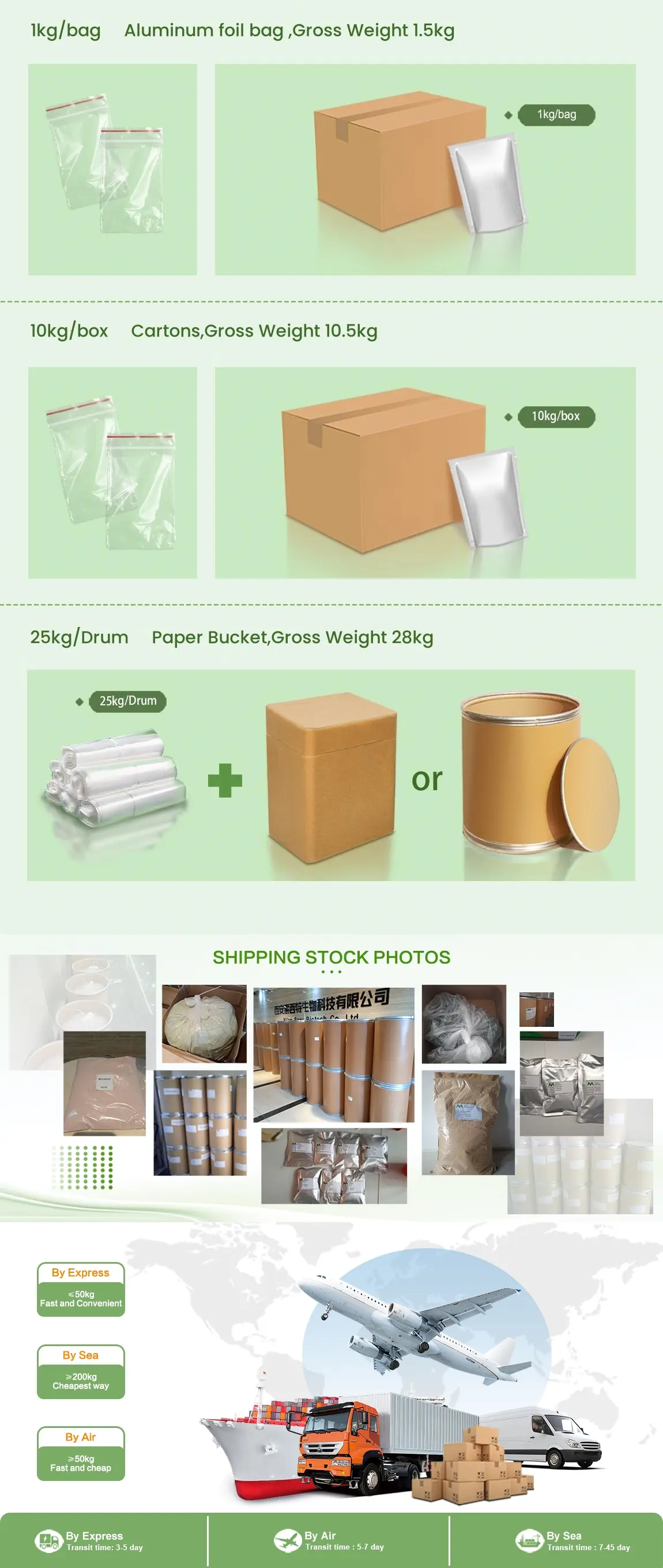
    Sost Biotech's NMNH(reduced β-nicotinamide mononucleotide) products are primarily available in three crystalline forms: disodium, monosodium, and magnesium. They have a purity of ≥99%, moisture ≤0.5%, and heavy metal content ≤0.1 ppm. They are packaged in light-proof, nitrogen-filled aluminum foil bags. For kilogram-scale purchases, please contact us directly for a quote.
    Contact us shippment

    Packing & Shipping

    Sost shipment

    What We Can Do?

    What-We-Can-Dob54

    Product Data Sheets

    Analysis Description Test Method
    Appearance white  powder Visual
    Odor Characteristic Organoleptic
    Identification Conform with reference sample Organoleptic
    MeshSize 100% pass 80 mesh 80mesh screen
    Moisture Content ≤ 1.0% GB5009.3-2016
    Heavy Metals ≤ 10 ppm GB 5009.3
    Arsenic   (As) ≤ 1.5ppm GB 5009.4
    Lead     (Pb) ≤ 2 ppm GB 5009.11
    CadmiumCd ≤1ppm GB 5009.12
    Mercury  Hg ≤1ppm GB 5009.17
    Total Plate Count 10000 cfu/g GB 5009.15
    Yeast and Mold 100 cfu/g GB 5009.3
    Escherichia Coli <10cfu/g GB 5009.4
    Salmonella/25g Absent GB 5009.11
    Effective constituent ≥99% HPLC

    Leave Your Message