

Active Pharmaceutical Ingredients







What is Coenzyme NADP?
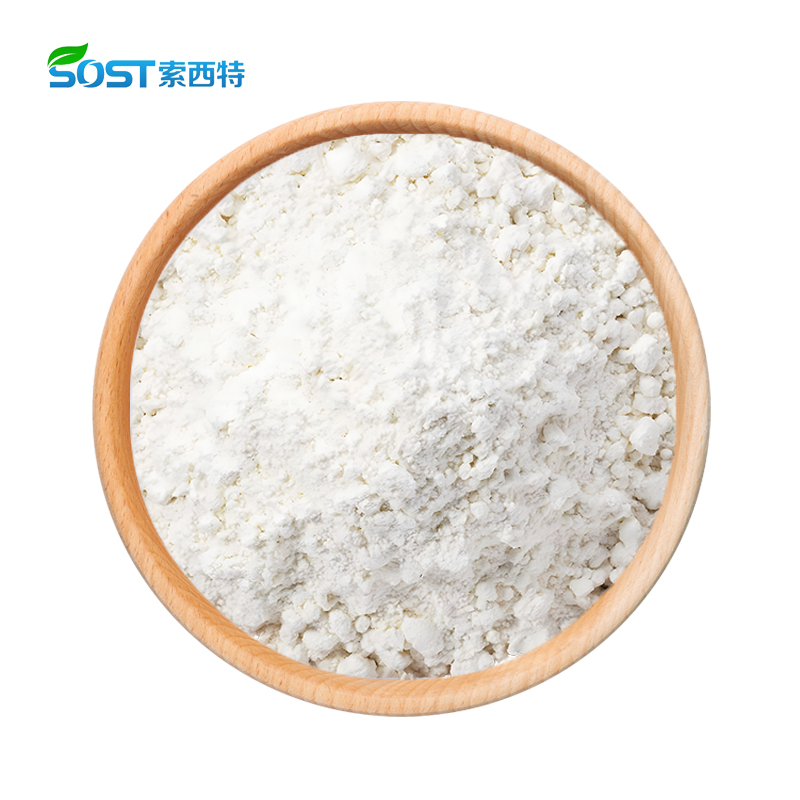
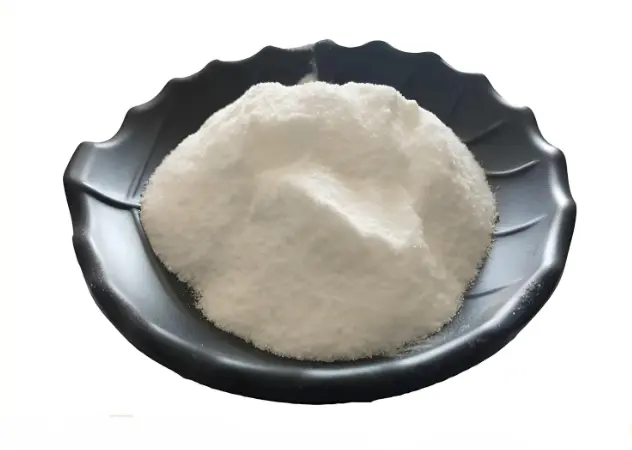
NADP(Beta-Nicotinamide Adenine Dinucleotide Phosphate) usually occurs as a disodium salt (NADP-Na2) or as a free acid with ≥95% purity (HPLC). It is often referred to as Beta-Nicotinamide Adenine Dinucleotide Phosphate, where “Beta” refers to the β-configuration of the nicotinamide riboside to prevent binding to the α-isomer.
Product Deta
|
Item |
Standard |
Result |
|
Appearance |
White to yellow powder |
Complies |
|
Solubility |
200mg/ml in water |
Complies |
|
Ɛ At 260nm and pH7.5 |
17000-19000 L/mol/com |
17500 L/mol/com |
|
Water content (KF) |
≤ 8.0% |
2.3% |
|
Content of NADP |
≥ 90% (By enzymatic analysis with G6PDH at pH7.5, using spectrophotometer, abs.340nm) on anhydrous basis |
94.1% |
|
Purity (HPLC) |
≥ 95% |
95.7% |
What is the main function of NADH?
1. Analytical Tool
In in vitro biochemical assays, NADP(Beta-Nicotinamide Adenine Dinucleotide Phosphate) is often a “substrate” or “cofactor.” Take glucose-6-phosphate dehydrogenase (G6PD) as an example, an enzyme that catalyzes the dehydrogenation of glucose-6-phosphate to produce 6-phosphogluconolactone, and the reduction of NADP+ to NADPH. Enzyme activity can be accurately measured by detecting an increase in absorbance at 340 nm. The method has already been used to identify several oxidoreductases, including isocitrate dehydrogenase (ICDH) and glutamate dehydrogenase (GLDH), as important targets in biomedical applications. Because the decay rates of NADP and NADPH at 260 nm and 340 nm were estimated to be 18.0×10³ and 6.22×10³ L·mol−1·cm−1, the researchers were able to perform quantitative spectrophotometry using 10 μl of UV wavelength
2. Forest
In chemical applications, asymmetric reduction is an important method for the synthesis of chiral alcohols and chiral amines. Conventional reduction methods require equivalent amounts of boron and lithium aluminum hydride, which are expensive and environmentally friendly. However, ketoreductase (KRED) system, which uses NADPH as hydrogen donor, showed >99%, i.e . selection under complex conditions. To reduce costs, researchers have opted for the “coenzyme recycling” approach: glucose dehydrogenase (GDH) or formate dehydrogenase (FDH) recycle NADPH+ instead of NADPH, requiring an expensive coenzyme to cleave the NADPH into reasonable amounts (1–1% mol). For example, the diabetes drug atorvastatin (Lipitor) side-chain chiral diol was further synthesized using an enzyme-chemical coupling process, reducing the E-factor (production per kilogram of material) by 80%, in line with the twelve principles of green chemistry.
3. Medication
Glucose-6-phosphate dehydrogenase deficiency (commonly referred to as favism) is the most common red blood enzyme disorder worldwide, affecting more than 400 million people. Primaquine, sulfonamide, or fava beans may cause allergic reactions. Traditional isolation methods require the removal of erythrocyte lysates and the addition of NADP+ and G6PD substrates. A significant increase at 340 nm indicated low enzyme activity. In recent years, microfluidics and dried blood chamber technologies have reduced this process to a single chip, allowing fetal analysis down to 5 μL. This has led to the availability of Beta-nicotinamide adenine dinucleotide phosphate in maternal and child health clinics, which has become an important preventive measure in public health.
4. Biosensors
Continuous monitoring of NADPH turnover is necessary to monitor the metabolism of living cells. Researchers have developed fluorescent probes, such as Peredox and SoNar, based on NADPH-specific binding proteins (e.g., Escherichia coli transhydrogenase SthA). As the ratio of cytosolic NADPH/NADP+ increases, the probe changes its conformation, increasing CFP/YFP fluorescence resonance energy transfer (FRET) activity and inducing color changes in confocal microscopy. With the help of these tools, the researchers found for the first time that NADPH levels in cancer cells under hypoxia and reoxygenation can change within 30 seconds, providing direct evidence for understanding oxidative stress and ferroptosis.
In in vitro biochemical assays, NADP(Beta-Nicotinamide Adenine Dinucleotide Phosphate) is often a “substrate” or “cofactor.” Take glucose-6-phosphate dehydrogenase (G6PD) as an example, an enzyme that catalyzes the dehydrogenation of glucose-6-phosphate to produce 6-phosphogluconolactone, and the reduction of NADP+ to NADPH. Enzyme activity can be accurately measured by detecting an increase in absorbance at 340 nm. The method has already been used to identify several oxidoreductases, including isocitrate dehydrogenase (ICDH) and glutamate dehydrogenase (GLDH), as important targets in biomedical applications. Because the decay rates of NADP and NADPH at 260 nm and 340 nm were estimated to be 18.0×10³ and 6.22×10³ L·mol−1·cm−1, the researchers were able to perform quantitative spectrophotometry using 10 μl of UV wavelength
2. Forest
In chemical applications, asymmetric reduction is an important method for the synthesis of chiral alcohols and chiral amines. Conventional reduction methods require equivalent amounts of boron and lithium aluminum hydride, which are expensive and environmentally friendly. However, ketoreductase (KRED) system, which uses NADPH as hydrogen donor, showed >99%, i.e . selection under complex conditions. To reduce costs, researchers have opted for the “coenzyme recycling” approach: glucose dehydrogenase (GDH) or formate dehydrogenase (FDH) recycle NADPH+ instead of NADPH, requiring an expensive coenzyme to cleave the NADPH into reasonable amounts (1–1% mol). For example, the diabetes drug atorvastatin (Lipitor) side-chain chiral diol was further synthesized using an enzyme-chemical coupling process, reducing the E-factor (production per kilogram of material) by 80%, in line with the twelve principles of green chemistry.
3. Medication
Glucose-6-phosphate dehydrogenase deficiency (commonly referred to as favism) is the most common red blood enzyme disorder worldwide, affecting more than 400 million people. Primaquine, sulfonamide, or fava beans may cause allergic reactions. Traditional isolation methods require the removal of erythrocyte lysates and the addition of NADP+ and G6PD substrates. A significant increase at 340 nm indicated low enzyme activity. In recent years, microfluidics and dried blood chamber technologies have reduced this process to a single chip, allowing fetal analysis down to 5 μL. This has led to the availability of Beta-nicotinamide adenine dinucleotide phosphate in maternal and child health clinics, which has become an important preventive measure in public health.
4. Biosensors
Continuous monitoring of NADPH turnover is necessary to monitor the metabolism of living cells. Researchers have developed fluorescent probes, such as Peredox and SoNar, based on NADPH-specific binding proteins (e.g., Escherichia coli transhydrogenase SthA). As the ratio of cytosolic NADPH/NADP+ increases, the probe changes its conformation, increasing CFP/YFP fluorescence resonance energy transfer (FRET) activity and inducing color changes in confocal microscopy. With the help of these tools, the researchers found for the first time that NADPH levels in cancer cells under hypoxia and reoxygenation can change within 30 seconds, providing direct evidence for understanding oxidative stress and ferroptosis.
Where to buy Coenzyme NADP Beta-Nicotinamide Adenine Dinucleotide Phosphate?
If you need tons of Coenzyme NADP (Beta-Nicotinamide Adenine Dinucleotide Phosphate) raw materials or customized small packages, you can contact SOST factory directly. We support OEM strip packs, square packs, and cans. We are ISO9001 and ISO22000 certified, with an annual production capacity of 20,000 tons and export to 50 countries. The minimum order for samples is 1 kg.
Contact email:ericyang@xasost.com
Contact email:ericyang@xasost.com
Product Data Sheets
| Analysis | Description | Results |
| Appearance | White to off-white powder | Confirm |
| Water content | <5% | 0.033 |
| (ppm by GC)Ethanol | <500 | 98 |
| Coliform | <3 MPN/g | N.D. |
| Yeast and mold | <10 CFU/g | <10 CFU/g |
| Salmonella | Not Detected | N.D. |
| Heavy metals (as Pb) | <0.1 | Conform |
| Staphylococcus aureus | Not Detected | N.D. |
| Purity(% HPLC) | >99.0% | 0.996 |
| Total microbial count | <300 CFU/g | <10 CFU/g |
Packing & Shipping
What We Can Do?