
 Food Additives










What is the maximum dose of rutin powder?
Is rutin powder a dietary supplement or a health product?
Rutin powder is also known as rutin, also known as vitamin P, which belongs to the flavonoids. It was first extracted from plants of the Rutaceae family, and can be found in common ingredients such as buckwheat, sophora japonica seeds, and citrus peels. Because it can resist oxidation, reduce inflammation, and make capillaries more elastic, it is often used to assist in the treatment of cardiovascular and cerebrovascular diseases and complications of diabetes.
In China, there is currently no food-grade approval document for high-purity rutin powder. Most of the current regulations classify it as a "raw drug" or "new cosmetic raw material"; but in some foreign countries, it is classified as a dietary supplement. This difference in identity makes key information such as dosage standards, applicability, and risk warnings messy. Consumers can easily use it incorrectly without the guidance of professionals.
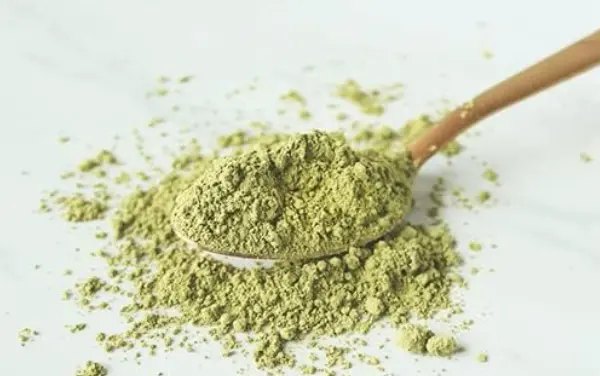
What is the maximum dose of rutin?
(1) The "Draft for Soliciting Opinions on the Management of the Catalog of Substances that are Both Food and Drug" issued by the National Health Commission in 2022 clearly states that the recommended intake of total flavonoids in terms of rutin shall not exceed 1 g/day (powder). This value is based on a 90-day subchronic toxicity test: rats orally ingested 500 mg/kg/day (equivalent to about 60 mg/kg/day in humans) and showed a slight increase in liver enzymes, and no adverse reactions were observed below 200 mg/kg/day. Taking into account species differences and sensitive populations, the safety factor was ultimately magnified 100 times, and 1 g/day was set as the upper limit for ordinary adults.
(2) Clinical studies have shown that a single oral dose of 600 mg of rutin can cause flushing and mild headaches; taking 1.2 g/day for 7 consecutive days can cause stomach discomfort in some subjects. Therefore, if the powder purity is ≥98%, the actual converted rutin content is ≈980 mg/g, which almost overlaps with the official upper limit of 1 g/day. Any claim of "increasing dosage to increase efficacy" has potential risks.
(3) The threshold for special populations is lower: The 2024 regulation of the Indonesian Food and Drug Administration directly proposes that pregnant women, breastfeeding women and people under the age of 18 "avoid using" rutin supplements; animal experiments have also found that rutin can pass through the placental barrier, and high doses (>300 mg/kg/day) are associated with skeletal retardation in fetal mice.
How to use rutin extract powder correctly?
Proper use: How to turn “lab chemicals” into “safe supplements.”
Dose Distribution: Divide the upper limit of 1 gram per day into 2-3 times, no more than 400 mg each time, and take it with warm water after meals to reduce stomach discomfort.
Pairing principle: Take it with vitamin C-rich lemon juice to improve routine stability. Do not take it with alkaline foods (such as soda water, aluminum magnesium carbonate preparations), otherwise the flavonoid ring may open and lose its activity.
Monitoring and discontinuation: When first used, record blood pressure, heart rate, and stool color for 7 consecutive days. If you have bleeding gums, scratchy skin, or persistent headaches, stop taking it immediately and see a doctor.
Contraindications: People taking anticoagulant/antiplatelet drugs, people planning to undergo surgery, people with autoimmune diseases, and people with liver and kidney failure should decide whether to use it after examination by a professional doctor. Pregnant women, breastfeeding women and children under 12 should not take it casually.
Email:ericyang@xasost.com