
Active Pharmaceutical Ingredients






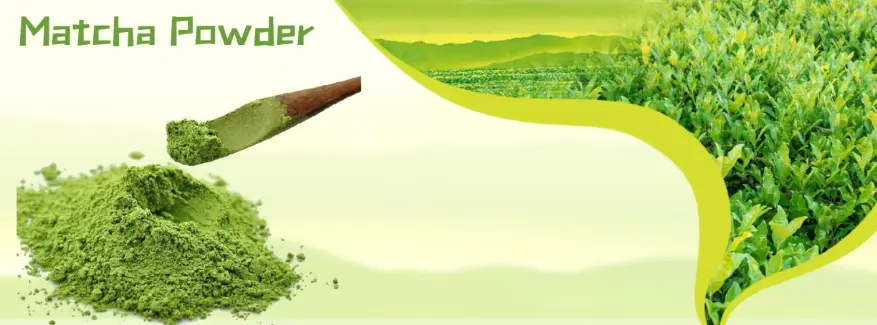
what is Matcha Ceremonial Green Tea Powder?
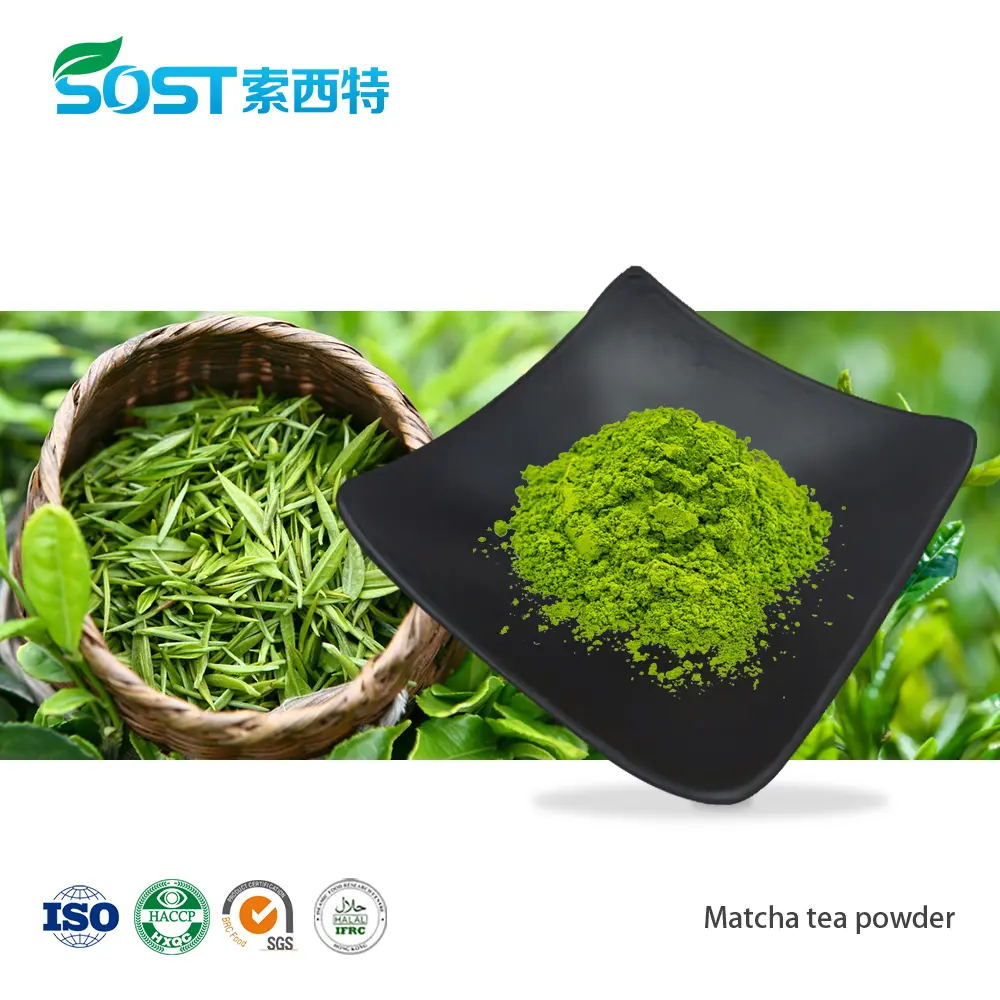
SOST BIOTECH New Season A-6A Matcha Ceremonial Green Tea Powder, a matcha powder truly worthy of formal occasions, is now available:
Raw Materials: Selected from high-altitude, single-origin Yabukita varietal tea, first harvested in April, covered cultivation for 22 days, with 1.12% amino acids in fresh leaves.
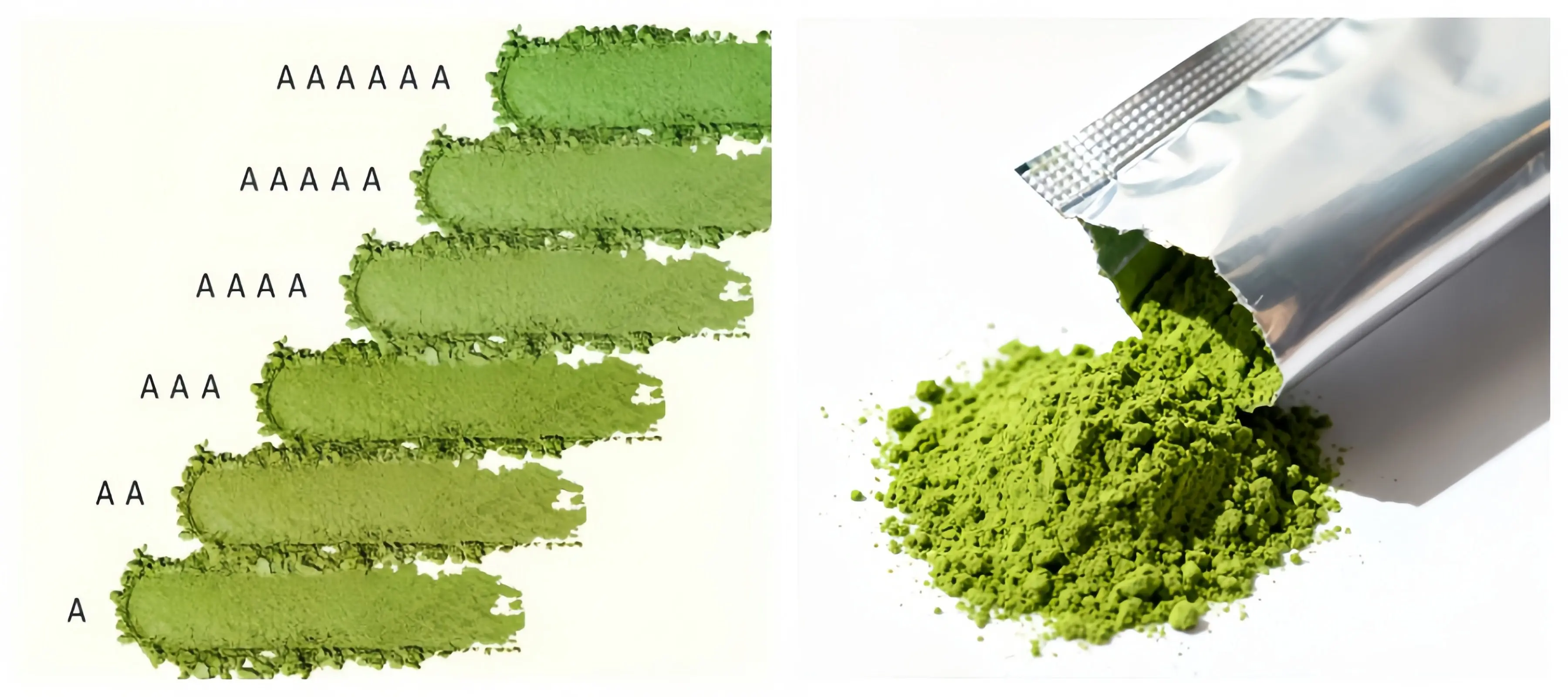
Processing: Grown in Chinese matcha producing areas, D50=4.1µm, 99.2% pass rate through 800 mesh, L value -39.2, a value -11.4, b value +16.5, a true "emerald green".
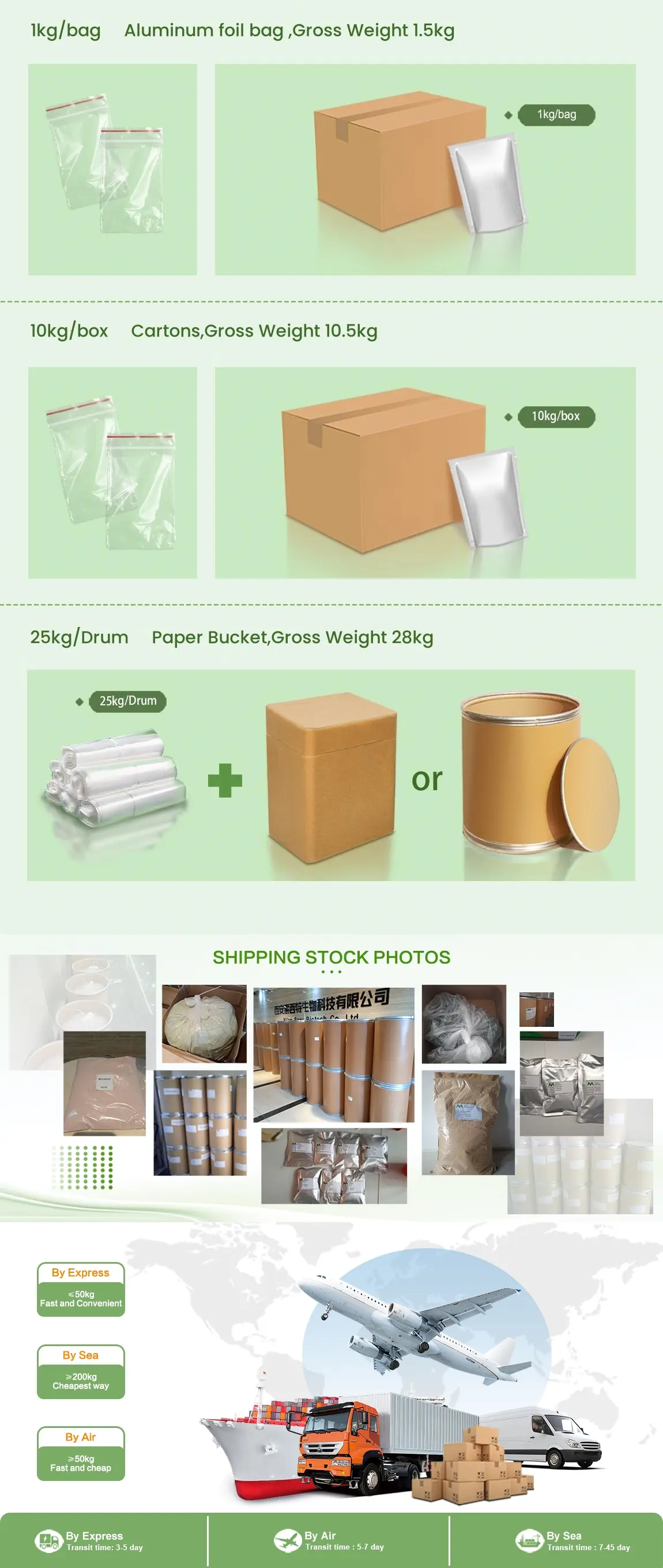
Production Capacity: Owns a 4000㎡ cGMP workshop with 12 stone mill production lines, and maintains an inventory of ≥20 tons, supporting various packaging sizes from 1kg aluminum foil bags to 25kg cardboard drums.
Raw Materials: Selected from high-altitude, single-origin Yabukita varietal tea, first harvested in April, covered cultivation for 22 days, with 1.12% amino acids in fresh leaves.
Processing: Grown in Chinese matcha producing areas, D50=4.1µm, 99.2% pass rate through 800 mesh, L value -39.2, a value -11.4, b value +16.5, a true "emerald green".
Production Capacity: Owns a 4000㎡ cGMP workshop with 12 stone mill production lines, and maintains an inventory of ≥20 tons, supporting various packaging sizes from 1kg aluminum foil bags to 25kg cardboard drums.
COA
| Test Item | Specification | Test Result |
|---|---|---|
| Appearance | Powder | Conforms |
| Colour | Emerald green | Conforms |
| Liquor color | Dark green | Conforms |
| Moisture % | ≤6 | 3.97 |
| Pb mg/kg | ≤4.5 | 0.515 |
| As mg/kg | ≤0.5 | 0.135 |
| Hg mg/kg | ≤0.3 | 0.09 |
| Pesticide residue | Comply with the Enterprise Standards | Conforms |
| Pathogenic bacterium | Not detectable | Not detectable |
| Conclusion | - | Conforms |
Is greener matcha powder really healthier?
Many people don't know that green color ≠ activity.
① Blanching method: Premium matcha uses a two-stage blanching process combining steam and far-infrared radiation, deactivating enzymes within 30 seconds and locking in over 70% of the EGCG in the fresh leaves. Ordinary matcha, to save costs, is blanched in a 110℃ drum for 3 minutes, resulting in over 20% EGCG oxidation; while the color may be green, the antioxidant value drops significantly.
② Stone mill temperature: True premium matcha uses a granite stone mill with axial water cooling, maintaining a mill temperature ≤38℃ to prevent chlorophyll magnesium demagnesium formation. Ordinary matcha uses airflow milling, with localized instantaneous temperatures reaching 120℃, causing magnesium demagnesium formation and the generation of pheophytic chlorophyll, resulting in a darker color and requiring the addition of edible bright green pigment.
③ Photooxidation: Matcha Ceremonial Green Tea Powder is left to stand for 72 hours in a 0℃, light-proof nitrogen-controlled warehouse, allowing theanine and soluble sugars to "mature and develop a sweet aftertaste," resulting in a flavor reminiscent of seaweed and milk. Ordinary matcha, on the other hand, is directly exposed to light, causing chlorophyll to decompose. After 60 days, the color difference ΔE ≥ 3, leading to customer complaints that "it gets yellower each time."
Health benefits require verification through testing reports. Brands genuinely aiming for an "antioxidant light drink" concept must obtain third-party batch reports from suppliers specifying "total catechins ≥ 10%, theanine ≥ 0.9%, and caffeine ≤ 2.5%." Comparing the colors after these reports provides a more authoritative assessment.
① Blanching method: Premium matcha uses a two-stage blanching process combining steam and far-infrared radiation, deactivating enzymes within 30 seconds and locking in over 70% of the EGCG in the fresh leaves. Ordinary matcha, to save costs, is blanched in a 110℃ drum for 3 minutes, resulting in over 20% EGCG oxidation; while the color may be green, the antioxidant value drops significantly.
② Stone mill temperature: True premium matcha uses a granite stone mill with axial water cooling, maintaining a mill temperature ≤38℃ to prevent chlorophyll magnesium demagnesium formation. Ordinary matcha uses airflow milling, with localized instantaneous temperatures reaching 120℃, causing magnesium demagnesium formation and the generation of pheophytic chlorophyll, resulting in a darker color and requiring the addition of edible bright green pigment.
③ Photooxidation: Matcha Ceremonial Green Tea Powder is left to stand for 72 hours in a 0℃, light-proof nitrogen-controlled warehouse, allowing theanine and soluble sugars to "mature and develop a sweet aftertaste," resulting in a flavor reminiscent of seaweed and milk. Ordinary matcha, on the other hand, is directly exposed to light, causing chlorophyll to decompose. After 60 days, the color difference ΔE ≥ 3, leading to customer complaints that "it gets yellower each time."
Health benefits require verification through testing reports. Brands genuinely aiming for an "antioxidant light drink" concept must obtain third-party batch reports from suppliers specifying "total catechins ≥ 10%, theanine ≥ 0.9%, and caffeine ≤ 2.5%." Comparing the colors after these reports provides a more authoritative assessment.
Which grade of matcha powder should I choose?
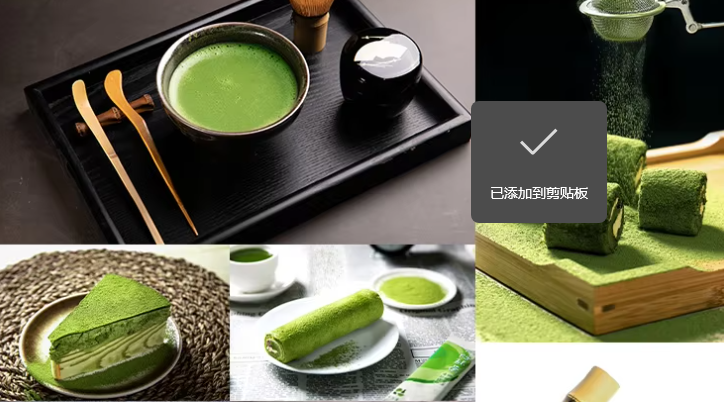
For freshly made tea drinks: We recommend using the premium grade. The 800-mesh powder dissolves instantly in 0℃ ice water within 15 seconds, without clumping or separating. The "samurai green" color of the milk foam creates a photogenic effect.
For baking: For Swiss rolls, macarons, and ice cream, which require 180℃ high-temperature setting, the premium grade "heat-resistant" matcha green tea powder (with a customized blanching curve) exhibits an α-value decay of ≤5% under the same baking time, ensuring the finished product retains its vibrant green color and reducing the need for added chlorophyll.
For beauty mud masks: Mud masks require a particle size ≤3µm to penetrate the stratum corneum. The premium grade matcha powder has a D90 of 2.8µm and contains antibacterial polyphenols, allowing for a reduction of 0.2% phenoxyethanol in the formula, minimizing irritation.
For baking: For Swiss rolls, macarons, and ice cream, which require 180℃ high-temperature setting, the premium grade "heat-resistant" matcha green tea powder (with a customized blanching curve) exhibits an α-value decay of ≤5% under the same baking time, ensuring the finished product retains its vibrant green color and reducing the need for added chlorophyll.
For beauty mud masks: Mud masks require a particle size ≤3µm to penetrate the stratum corneum. The premium grade matcha powder has a D90 of 2.8µm and contains antibacterial polyphenols, allowing for a reduction of 0.2% phenoxyethanol in the formula, minimizing irritation.
Where to buy Matcha Ceremonial Green Tea Powder?
If you want to buy Matcha Ceremonial Green Tea Powder with guaranteed quality, contacting sost is a good choice. Sost biotech has been deeply involved in this field for many years and has strict control over the raw material selection and production process of the product, which can ensure that the raw materials provided is of high purity and good activity, so that you can use it with confidence and better enjoy the various benefits it brings.
Contact Email:ericyang@xasost.com
Contact Email:ericyang@xasost.com
Product Data Sheets
| Analysis | Description | Test Method |
| Appearance | Orange-Yellow Powder | Visual |
| Odor | Characteristic | Nasil |
| Identification | Conform with reference sample | HPLC |
| Mesh Size | 100% pass 80 mesh | CP2020 |
| Moisture Content | ≤ 1.0% | GB5009.3-2016 |
| Residue on Ignition | ≤ 0.5 % | CP2020 |
| Heavy Metals | ≤ 10 ppm | CP2020 |
| Arsenic (As) | ≤ 1.5 ppm | BS EN ISO17294-2 2016 2016 |
| Lead (Pb) | ≤ 2 ppm | BS EN ISO17294-2 2016 |
| Cadmium(Cd) | ≤1ppm | BS EN ISO17294-2 2016 |
| Mercury (Hg) | ≤1ppm | BS EN ISO17294-2 2016 |
| Methyl alcohol | 30ppm (Eurofins:LOQ ) | CP2020 |
| N,N-Dimethylformamide | 880ppm (Eurofins:LOQ ) | CP2020 |
| Total Plate Count | ≤10000 cfu/g | ISO 4833- 1:2013 |
| Yeast and Mold | ≤100 cfu/g | ISO 21527-2:2008 |
| Escherichia Coli | < 10cfu/g | ISO 16649-2:2001 |
| Salmonella/25g | Absent | ISO 6579-1:2017 |
| Effective constituent | Curcumin≥98% | HPLC |
Packing & Shipping
What We Can Do?