
 Food Additives
Industry News







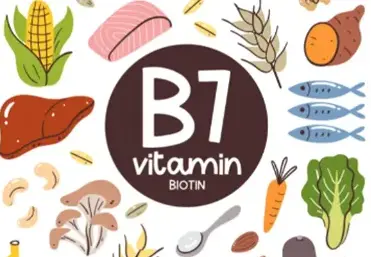
Vitamin B7 (biotin) : health benefits, side effects,supplier
Biotin, also known as Vitamin B7 ( Vitamin H), is a water-soluble B-complex vitamin that is essential for the growth and development of all living organisms.Biotin has been shown to be important for many health factors, including support of nerve function, stabilization of blood sugar levels, DNA stability, and hair, skin and nail health.

Who Should Avoid Coenzyme Q10?
Coenzyme Q10 (CoQ10) is a naturally occurring antioxidant vital for cellular energy production and cardiovascular health. While widely used as a dietary supplement for conditions like heart failure, migraines, and statin-induced myopathy, certain populations may face risks when taking CoQ10.
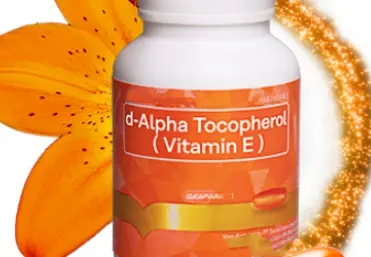
What Is the Difference Between Alpha-Tocopherol and Vitamin E?
Vitamin E is a term widely recognized in nutrition, skincare, and pharmaceuticals, yet its relationship with alpha-tocopherol often causes confusion. While alpha-tocopherol is frequently equated with vitamin E, the two are not identical. This article clarifies their distinctions, explores their biological roles, and highlights practical applications. By the end, you’ll understand why alpha-tocopherol dominates the vitamin E conversation and how Sost Biotech delivers high-quality alpha-tocopherol for global industries.

What is resveratrol extracted from?
Resveratrol, chemically known as 3, 4', 5-trihydroxystilbene, is a non-flavonoid polyphenolic compound, which is a phytodefense element produced by plants (mainly seed plants) when encountering unfavorable conditions such as fungal infections and ultraviolet irradiation, and plays a protective role for the plants themselves. Resveratrol and its derivatives are mainly found in at least 72 species of plants from 21 families and 31 genera, including grape, polygonum, peanut and quinoa, including common medicinal plants such as tiger nuts, cassia and mulberry, as well as crops such as grapes and peanuts. At present, the main sources of natural resveratrol are tiger nuts and grapes.
Vitamin A Deficiency: Symptoms, Manifestation, and Solutions
Vitamin A deficiency remains a critical global health issue, particularly in developing regions, but its effects can manifest anywhere. This essential nutrient plays a vital role in vision, immune function, and cellular communication. When levels drop, the body sends distress signals through specific symptoms.
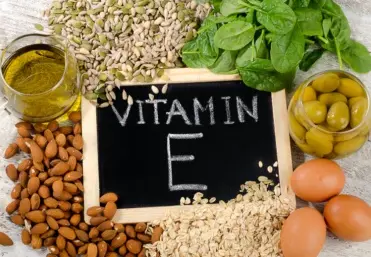
What is the Mechanism of Action of Vitamin E?
Vitamin E, a fat-soluble nutrient, was first identified in 1922 by researchers Herbert Evans and Katherine Bishop at the University of California, Berkeley. While studying fertility in rats, they observed that rats fed a diet lacking a specific lipid-soluble factor developed reproductive failures. This unknown compound was initially termed "anti-sterility factor X" and later renamed "vitamin E" due to its position as the fifth essential vitamin discovered (E being the fifth letter of the alphabet).
What is D-Alpha tocopherol succinate?
Vitamin E, also known as tocopherol, is a kind of fat-soluble vitamin, can effectively scavengers free radicals, block the chain reaction caused by free radicals, so that biofilm, cytoskeleton, etc. are protected from the attack of free radicals, maintain the balance of free radicals, promote the regeneration of collagen, promote metabolism, make the skin tender and elastic, and improve the skin texture. It has the effect of antioxidation and delaying aging.
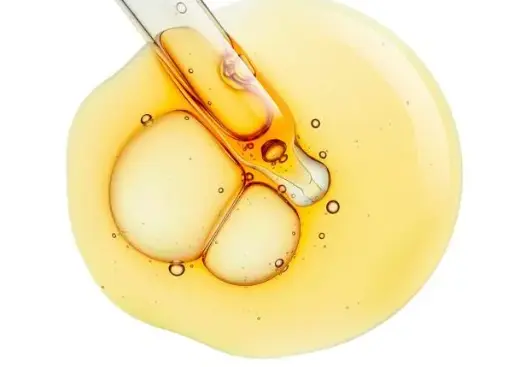
The application of retinol in skin care products
Retinol, also known as Vitamin A, is the “star ingredient” in anti-aging cosmetics that helps us fight the signs of aging. As a member of the vitamin A family, it can be found in skin care products in various forms, including retinol, retinyl esters (e.g., retinyl palmitate), retinaldehyde, and others.
Retinol's “superpowers” include promoting skin cell regeneration, reducing the formation of fine lines and wrinkles, addressing uneven skin tone, and enhancing skin elasticity. Long-term use of retinol can dramatically improve the firmness and smoothness of the skin.
What are the sources of ceramides?
What exactly is a ceramide?
Lately all the major skincare brands have been touting a fancy sounding word - ceramide. Ceramide is an ingredient that is quite popular in the skincare industry for its powerful moisturizing and water locking, barrier repair and anti-aging effects. Many brands and products use it as the main efficacy of the ingredients, claiming to have skin care wonders, so what is the difference between niacinamide and ceramide?