
Active Pharmaceutical Ingredients


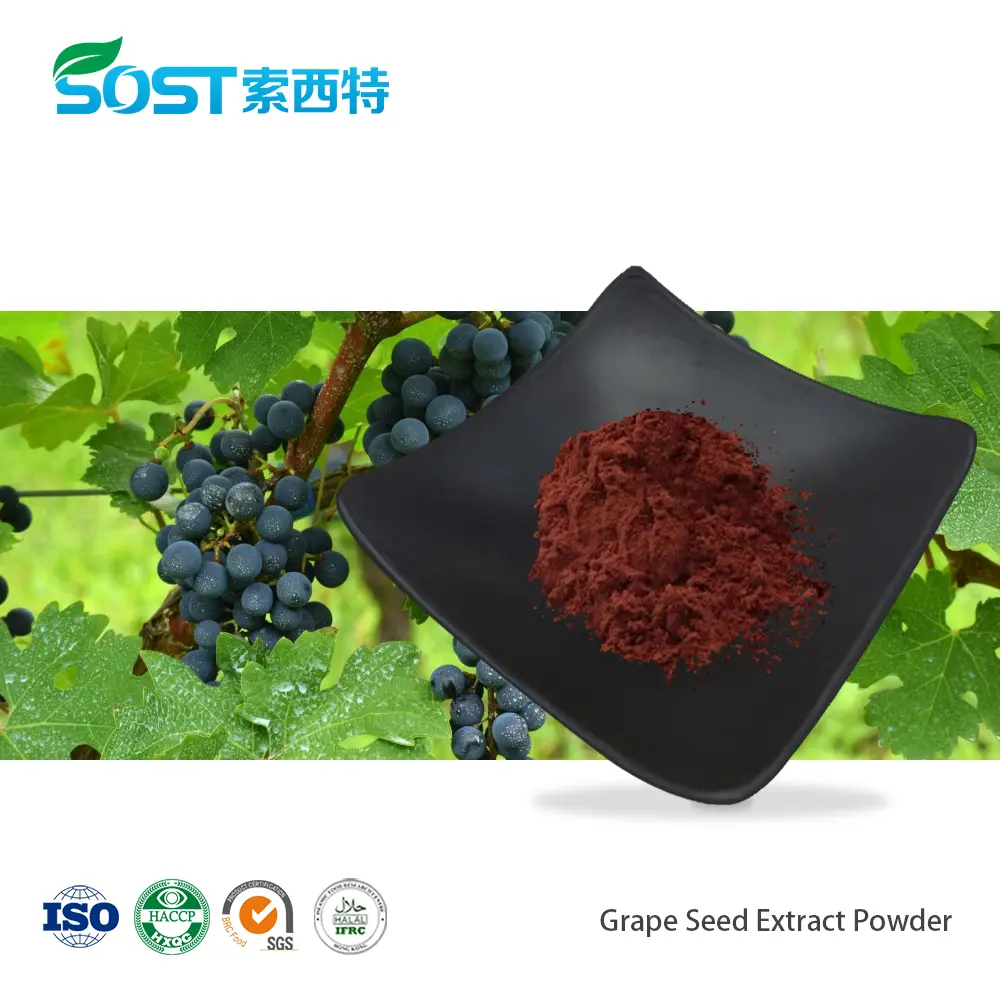
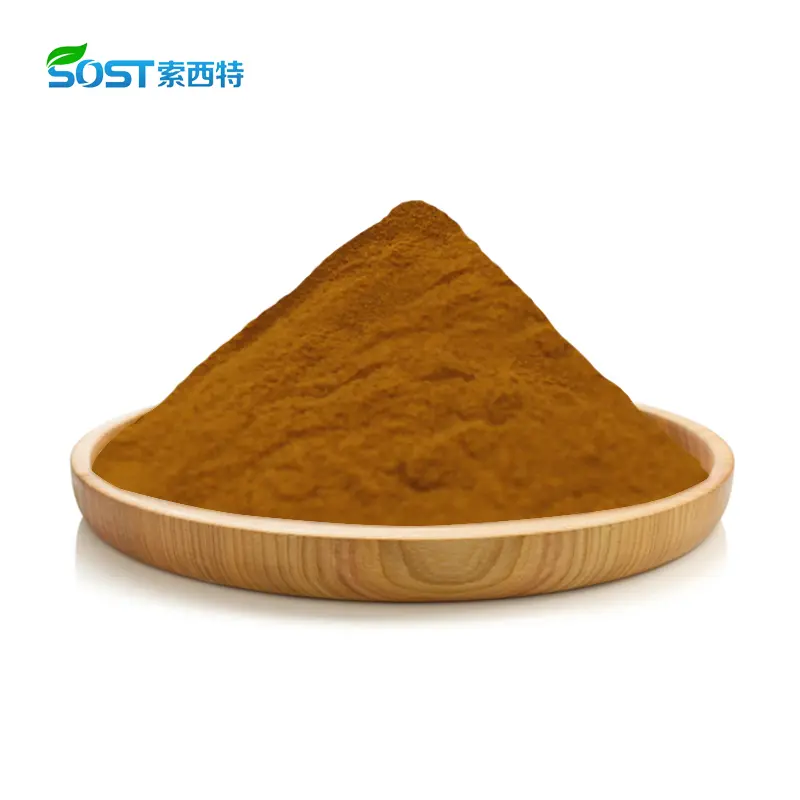




What is Grape Seed Extract Powder?
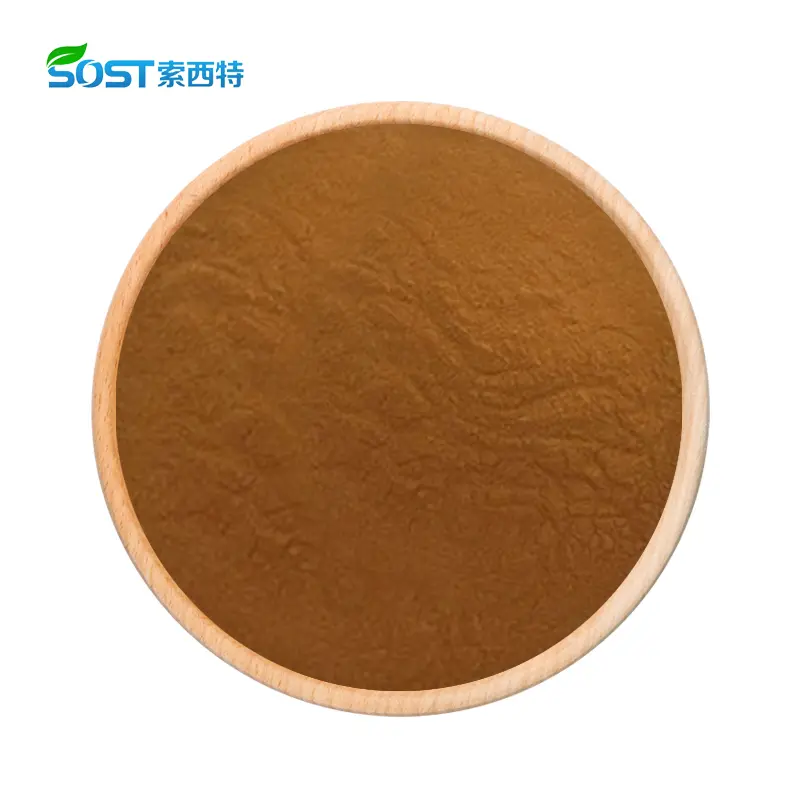
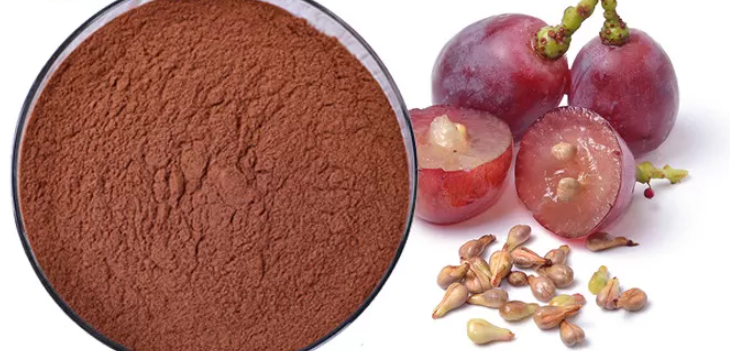
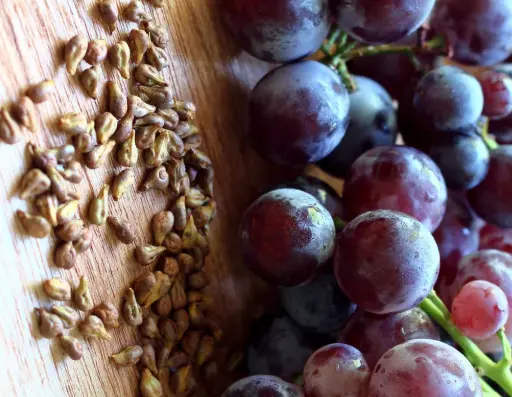
Grape seed extract is one of popular food and health food supplements. and regular we mentioned Grape seed extract powder, and it refer to concentrates and it is a unencapsulated grape seed extract in powdered form.it always process like solvent extraction and cold pressing ,for it is rich in proanthocyanidins (OPCs), and which is a strong effective antioxidants.it also include flavonoids, polyphenols, and vitamins (e.g., vitamin E),it is often used in like dietary supplements,skincare products and functional food.its high bioactivity and cost-effectiveness.
COA
|
Test items and results |
||
|
Item |
Specification |
Result |
|
Assay |
10:1 |
Conforms |
|
Physical&Chemical Testing |
||
|
Appearance |
Brown fine powder |
Conforms |
|
Odor |
Characteristic |
Conforms |
|
Sieve Analysis |
NLT 95%Through80 mesh |
Conforms |
|
Residue On Ignition |
≤5.0% |
3.45% |
|
Loss On Drying |
≤5.0% |
3.72% |
|
Heavy Metals |
≤20ppm |
Conforms |
|
Lead (Pb) |
≤10ppm |
Conforms |
|
Arsenic (As) |
≤2ppm |
Conforms |
|
Mercury(Hg) |
≤1ppm |
Conforms |
|
Cadmium(Cd) |
≤0.5ppm |
Conforms |
|
Microbiological Testing |
||
|
Total plate count |
≤1000cfu/g |
Conforms |
|
Yeast & mold |
≤100cfu/g |
Conforms |
|
E.coli |
Not detected |
Not detected |
|
Salmonella |
Not detected |
Not detected |
|
Staphylococcus |
Not detected |
Not detected |
|
Shelf life and Storage |
2 Years. Store in sealed containers at cool & dry place. Protect from light, moisture and pest infestation. |
|
Key Benefits of Grape Seed Extract Powder
Powerful Antioxidant Protection:
When you know Grape seed extract’s OPCs are 20 times more potent than vitamin C , meanwhile 50 times stronger than vitamin E in scavenging free radicals. You would know why it is so popular , and it could help reduce oxidative stress , a key driver of aging and chronic diseases.like we always know about cancer, heart disease, and neurodegenerative disorders.
Cardiovascular Support: Lowers Blood Pressure:From Multiple studies demonstrate it could reduce systolic and diastolic . Particularly in individuals who have hypertension or metabolic syndrome.
Improves Blood Flow: It could enhance nitric oxide production, so that it dilate blood vessels and improve circulation.it may alleviate symptoms of chronic venous insufficiency .like leg swelling and pain.
Reduces LDL Oxidation: it could Protect against atherosclerosis by preventing the oxidation of “bad” cholesterol, it is a critical step in plaque formation.
Anti-Inflammatory Effects: It could Inhibit inflammatory pathways (e.g., COX-2, NF-κB), and it could potentially ease conditions like arthritis and inflammatory bowel disease.
Skin and Eye Health: Skin Protection: for it could Strengthen collagen and elastin, and improve skin elasticity and reduce wrinkles. Its photoprotective properties may shield against UV-induced damage.
Eye Health: it could Support retinal function and may slow age-related macular degeneration.
Cognitive and Bone Benefits: Animal studies suggest it may enhance bone density and reduce fracture risk, while human trials indicate potential cognitive protection via antioxidant mechanisms.
Cardiovascular Support: Lowers Blood Pressure:From Multiple studies demonstrate it could reduce systolic and diastolic . Particularly in individuals who have hypertension or metabolic syndrome.
Improves Blood Flow: It could enhance nitric oxide production, so that it dilate blood vessels and improve circulation.it may alleviate symptoms of chronic venous insufficiency .like leg swelling and pain.
Reduces LDL Oxidation: it could Protect against atherosclerosis by preventing the oxidation of “bad” cholesterol, it is a critical step in plaque formation.
Anti-Inflammatory Effects: It could Inhibit inflammatory pathways (e.g., COX-2, NF-κB), and it could potentially ease conditions like arthritis and inflammatory bowel disease.
Skin and Eye Health: Skin Protection: for it could Strengthen collagen and elastin, and improve skin elasticity and reduce wrinkles. Its photoprotective properties may shield against UV-induced damage.
Eye Health: it could Support retinal function and may slow age-related macular degeneration.
Cognitive and Bone Benefits: Animal studies suggest it may enhance bone density and reduce fracture risk, while human trials indicate potential cognitive protection via antioxidant mechanisms.
Is Grape Seed Extract Good or Bad for You?
Generally safe for most adults when taken in recommended doses (100–300 mg/day of standardized extract). However:
Side Effects: Mild digestive upset, headache, or dizziness may occur.
Interactions: May interact with blood thinners (e.g., warfarin), NSAIDs, or chemotherapy drugs. Consult a healthcare provider if pregnant, breastfeeding, or on medication.
Quality Matters: Opt for products standardized to 95% OPCs to ensure potency.
Grape Seed Extract Dosage for Lowering Blood Pressure Effective Dose: 100–800 mg/day of standardized extract (containing ≥85% OPCs).
A meta-analysis of 16 trials found that 100–2,000 mg/day reduced systolic BP by 6.08 mmHg and diastolic BP by 2.8 mmHg, with the strongest effects observed at 100–800 mg/day over 8–16 weeks. Another study showed 300 mg/day for 6 weeks lowered systolic BP by 5.6% and diastolic BP by 4.7% in hypertensive patients.
Timing: Take with meals to enhance absorption and minimize stomach irritation.
Combination Therapy: Works synergistically with lifestyle changes (e.g., low-sodium diet, exercise) and medications like ACE inhibitors or diuretics.
Digestive Issues: High sulfur content may cause bloating, diarrhea, or heartburn if consumed excessively (>20g/day).
Blood Thinning: Organosulfur compounds may interact with anticoagulants (e.g., warfarin), increasing bleeding risk.
Allergic Reactions: Rare cases of skin rashes or headaches have been reported. Blood Sugar Fluctuations: Diabetics should monitor levels closely due to its hypoglycemic effects.
Side Effects: Mild digestive upset, headache, or dizziness may occur.
Interactions: May interact with blood thinners (e.g., warfarin), NSAIDs, or chemotherapy drugs. Consult a healthcare provider if pregnant, breastfeeding, or on medication.
Quality Matters: Opt for products standardized to 95% OPCs to ensure potency.
Grape Seed Extract Dosage for Lowering Blood Pressure Effective Dose: 100–800 mg/day of standardized extract (containing ≥85% OPCs).
A meta-analysis of 16 trials found that 100–2,000 mg/day reduced systolic BP by 6.08 mmHg and diastolic BP by 2.8 mmHg, with the strongest effects observed at 100–800 mg/day over 8–16 weeks. Another study showed 300 mg/day for 6 weeks lowered systolic BP by 5.6% and diastolic BP by 4.7% in hypertensive patients.
Timing: Take with meals to enhance absorption and minimize stomach irritation.
Combination Therapy: Works synergistically with lifestyle changes (e.g., low-sodium diet, exercise) and medications like ACE inhibitors or diuretics.
Digestive Issues: High sulfur content may cause bloating, diarrhea, or heartburn if consumed excessively (>20g/day).
Blood Thinning: Organosulfur compounds may interact with anticoagulants (e.g., warfarin), increasing bleeding risk.
Allergic Reactions: Rare cases of skin rashes or headaches have been reported. Blood Sugar Fluctuations: Diabetics should monitor levels closely due to its hypoglycemic effects.
Where to buy Grape seed extract powder?
Sost Biotech is a manufacturer of Grape seed extract powder.To facilitate your sales and production, we can customize mushroom extract formula products. You will need to provide detailed ratios or let our R&D team create a unique formula for you.
Contact Email:ericyang@xasost.com
Our advantages
1. Free samples can be provided upon your request.
Contact Email:ericyang@xasost.com
Our advantages
1. Free samples can be provided upon your request.
2. Production capacity: 20 tons/month.
3. The factory covers an area of 7,000 square meters and has 4 Ph.D. technical engineer.
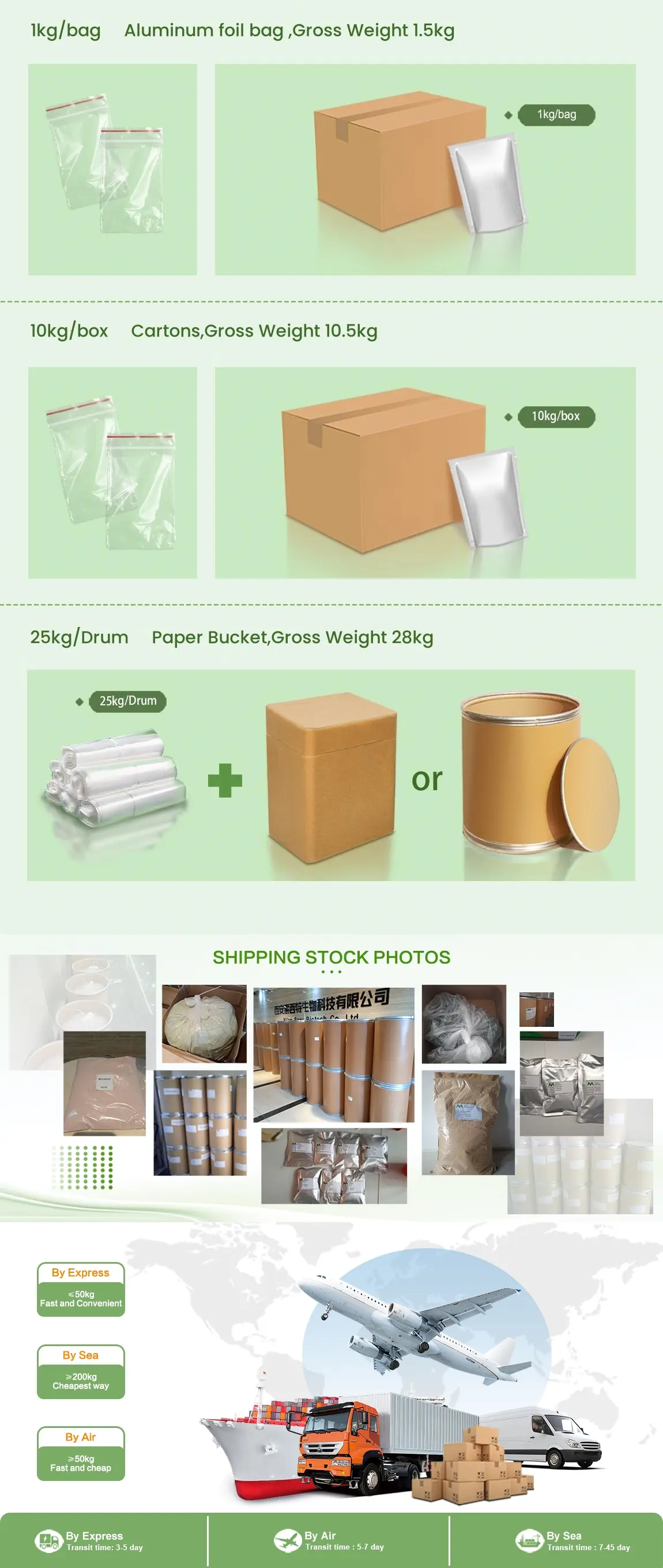
4. Transportation method: express, air transport, sea transport
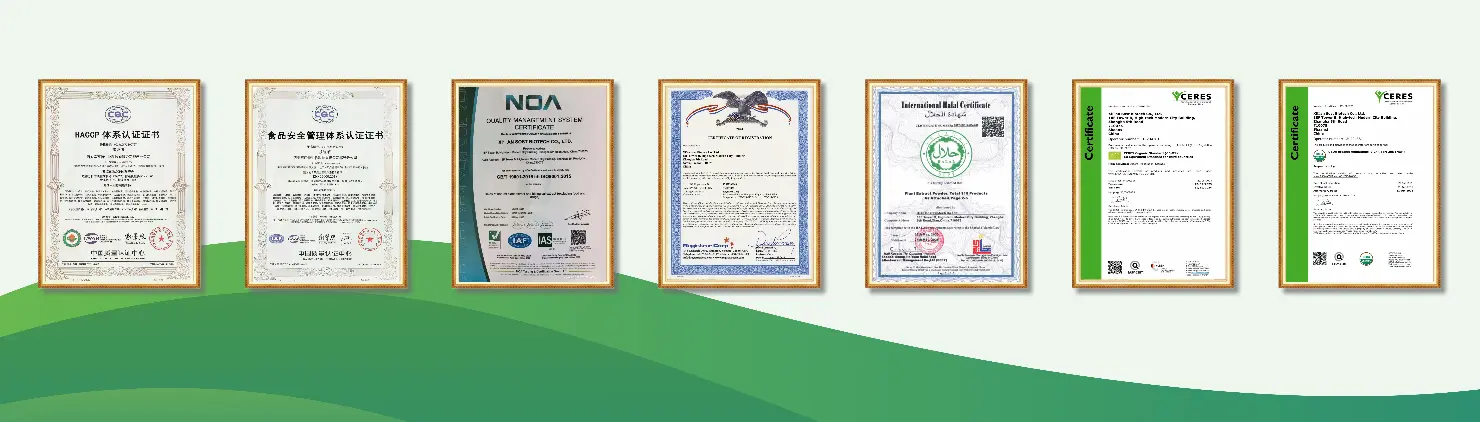
5. Quality control: 3rd party laboratory testing by Eurofins, SGS, BV etc.
6. 24 hours and 7 days full time standing-by services.
Contact us
Product Data Sheets
| Analysis | Description | Test Method |
| Appearance | Orange-Yellow Powder | Visual |
| Odor | Characteristic | Nasil |
| Identification | Conform with reference sample | HPLC |
| Mesh Size | 100% pass 80 mesh | CP2020 |
| Moisture Content | ≤ 1.0% | GB5009.3-2016 |
| Residue on Ignition | ≤ 0.5 % | CP2020 |
| Heavy Metals | ≤ 10 ppm | CP2020 |
| Arsenic (As) | ≤ 1.5 ppm | BS EN ISO17294-2 2016 2016 |
| Lead (Pb) | ≤ 2 ppm | BS EN ISO17294-2 2016 |
| Cadmium(Cd) | ≤1ppm | BS EN ISO17294-2 2016 |
| Mercury (Hg) | ≤1ppm | BS EN ISO17294-2 2016 |
| Methyl alcohol | 30ppm (Eurofins:LOQ ) | CP2020 |
| N,N-Dimethylformamide | 880ppm (Eurofins:LOQ ) | CP2020 |
| Total Plate Count | ≤10000 cfu/g | ISO 4833- 1:2013 |
| Yeast and Mold | ≤100 cfu/g | ISO 21527-2:2008 |
| Escherichia Coli | < 10cfu/g | ISO 16649-2:2001 |
| Salmonella/25g | Absent | ISO 6579-1:2017 |
| Effective constituent | Curcumin≥98% | HPLC |
Packing & Shipping
What We Can Do?