




What is glucoraphanin powder?
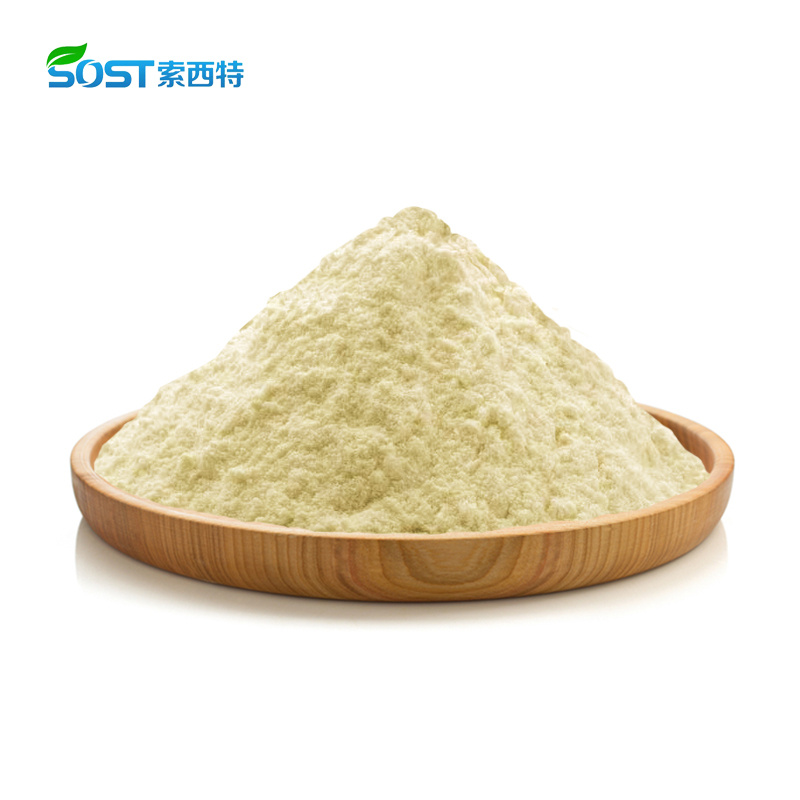
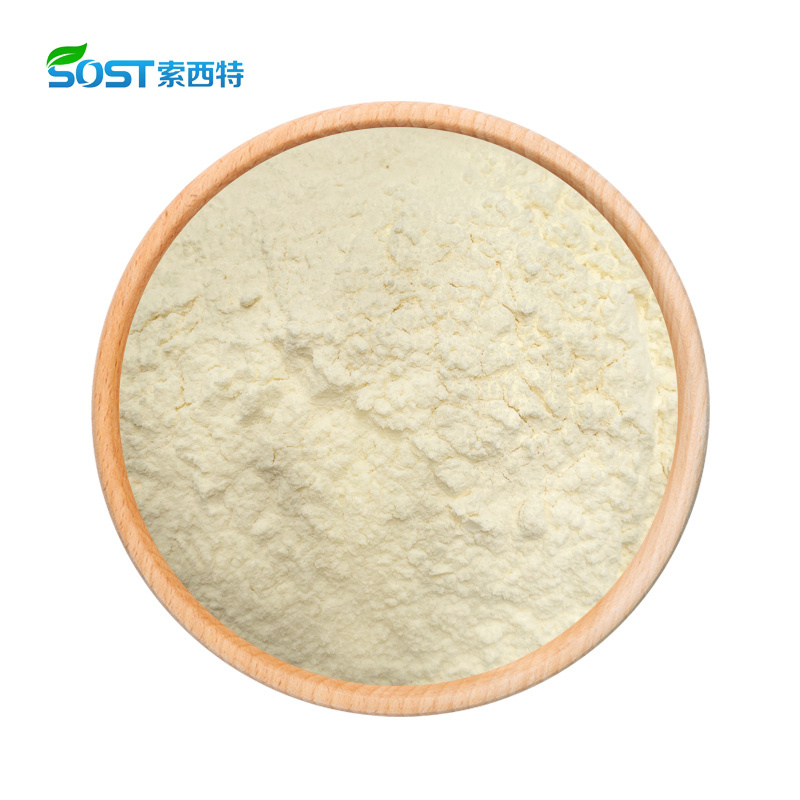
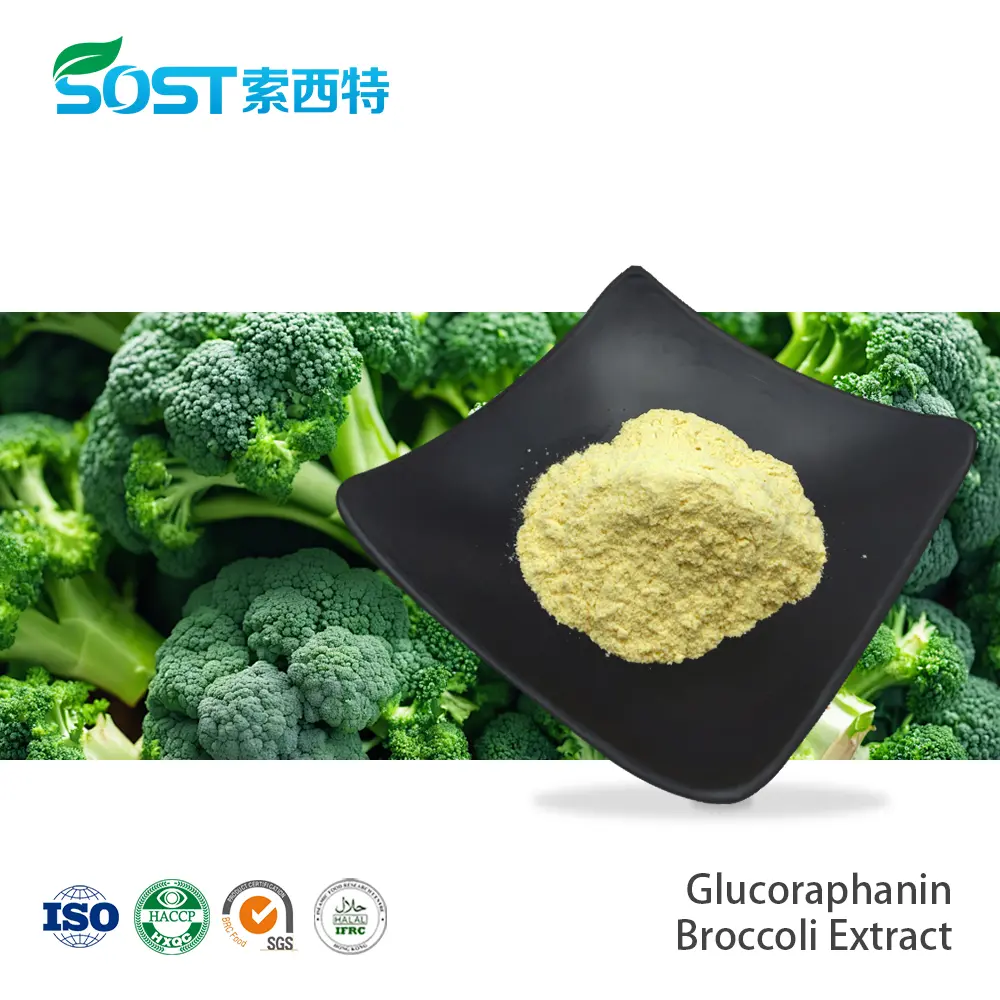
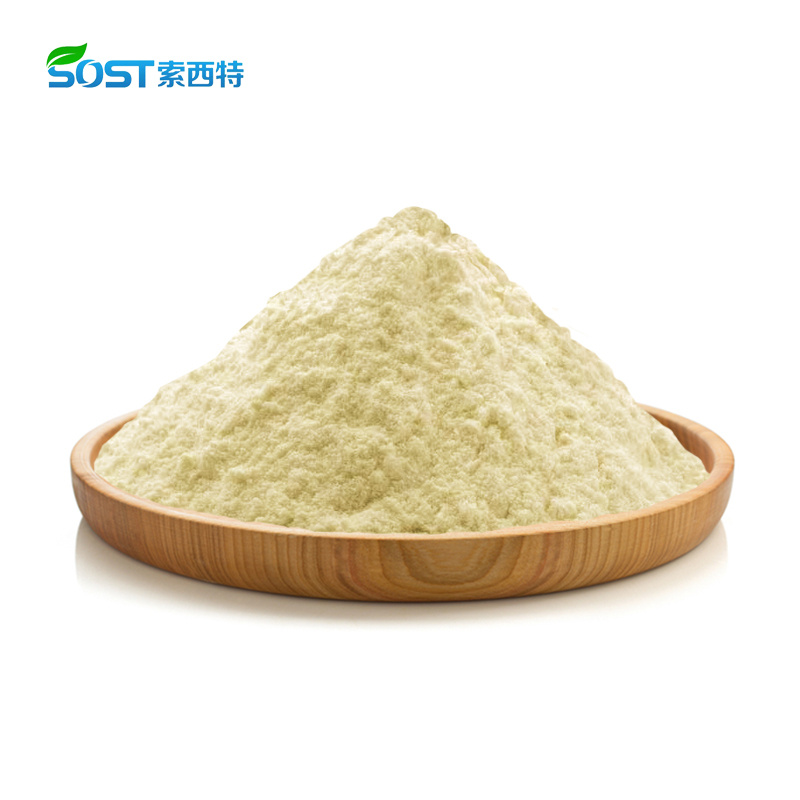
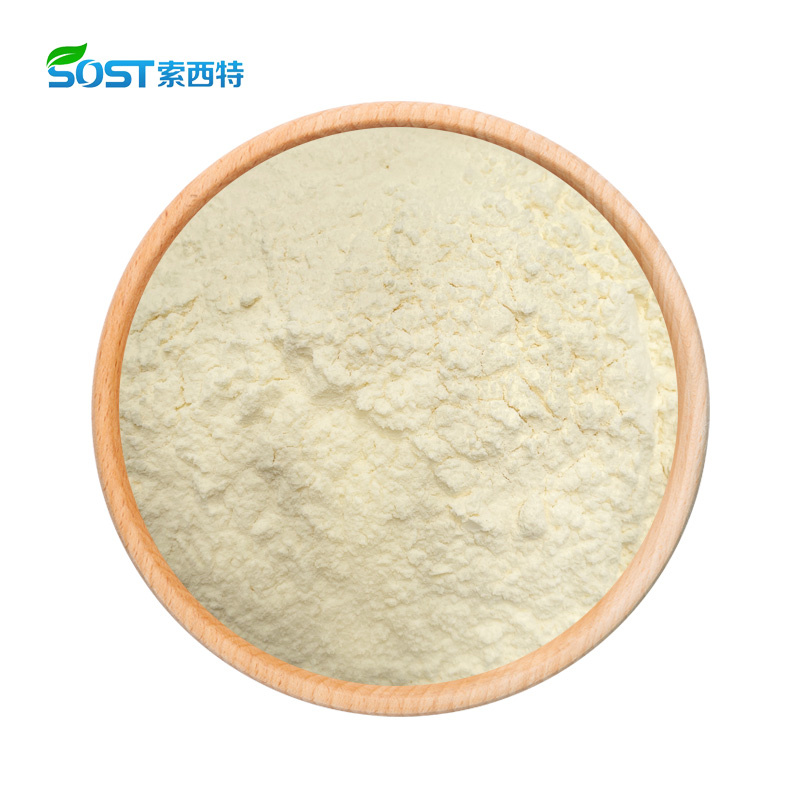
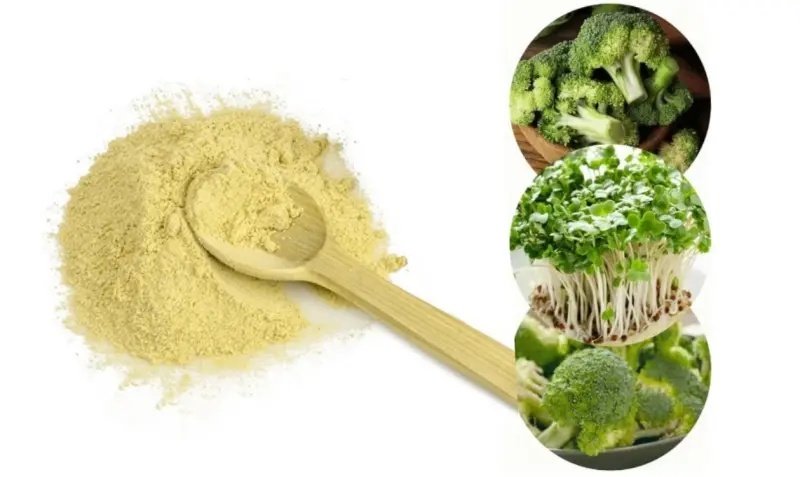
Simply put, glucoraphanin powder is a yellow powder extracted from cruciferous vegetables like broccoli and kale. It doesn't have any superpowers on its own, but once consumed, it's converted into a super antioxidant called sulforaphane by intestinal bacteria or the vegetable's own enzymes. This substance acts like a "cleaner" for the body, removing free radicals, reducing inflammation, and even helping cells fight cancer. Because glucoraphanin powder is more stable (it doesn't spoil easily), it's often made into health supplements for easy storage and transportation.
COA
| Analysis | Description |
| Appearance | Yellow powder |
| Odor | Characteristic |
| Moisture Content | ≤ 5.0% |
| Solvent Residue | Negative |
| Total heavy metals | ≤ 20.00 mg/kg |
| Arsenic (As) | ≤ 0.2 mg/kg |
| Phosphate organics | Negative |
| Organics residues | Negative |
| DDT | ≤ 0.1 mg/kg |
| BHC | ≤ 0.1 mg/kg |
| Total Plate Count | ≤ 1000 cfu/g |
| Yeast and Mold | ≤ 100 cfu/g |
| Escherichia Coli | Negative |
| Glucoraphanin | 4.98-5.02% |
What is glucoraphanin powder used for?
Its effects are entirely due to the converted sulforaphane, which primarily does the following:
Anti-cancer powerhouse: Activates the body's "detoxification switch" (the Nrf2 pathway), prompting cells to produce more detoxifying enzymes, preemptively "packaging" carcinogens and reducing the risk of stomach, liver, and breast cancer.
Anti-oxidant and anti-aging: Acts like a "vacuum cleaner" to remove free radicals, reducing skin aging and blood vessel blockage, and even protecting brain nerve cells.
Anti-inflammatory Guardian: Inhibits the body's "inflammatory signaling" (NF-kB), alleviating chronic inflammatory conditions like arthritis and asthma. Sugar and Lipid Control: Helps insulin work more efficiently, improving blood sugar and lipid profiles, and is beneficial for people with diabetes and obesity.
Liver Protection Helper: Accelerates alcohol breakdown, reducing liver damage after drinking.
Anti-cancer powerhouse: Activates the body's "detoxification switch" (the Nrf2 pathway), prompting cells to produce more detoxifying enzymes, preemptively "packaging" carcinogens and reducing the risk of stomach, liver, and breast cancer.
Anti-oxidant and anti-aging: Acts like a "vacuum cleaner" to remove free radicals, reducing skin aging and blood vessel blockage, and even protecting brain nerve cells.
Anti-inflammatory Guardian: Inhibits the body's "inflammatory signaling" (NF-kB), alleviating chronic inflammatory conditions like arthritis and asthma. Sugar and Lipid Control: Helps insulin work more efficiently, improving blood sugar and lipid profiles, and is beneficial for people with diabetes and obesity.
Liver Protection Helper: Accelerates alcohol breakdown, reducing liver damage after drinking.
Is glucoraphanin the same as sulforaphane?
No! They are a "precursor" and a "finished product":
Glucoraphanin: Like a "seed," it's inactive on its own, but stable and shelf-stable (it can be stored for a long time without spoiling).
Sulforaphane: A product of the germinated "seed," it's highly active but also very delicate (it loses its effectiveness when exposed to light or high temperatures).
For example: glucoraphanin is "flour," and sulforaphane is "bread." Flour alone doesn't make bread; it needs water (myrosinase), kneading, and baking (intestinal conversion).
Glucoraphanin: Like a "seed," it's inactive on its own, but stable and shelf-stable (it can be stored for a long time without spoiling).
Sulforaphane: A product of the germinated "seed," it's highly active but also very delicate (it loses its effectiveness when exposed to light or high temperatures).
For example: glucoraphanin is "flour," and sulforaphane is "bread." Flour alone doesn't make bread; it needs water (myrosinase), kneading, and baking (intestinal conversion).
4.What foods are high in glucoraphanin?
Broccoli sprouts are the king! They contain 10-100 times more sulforaphane than mature broccoli. A small handful (30-50 grams) daily is sufficient. Other foods ranked by content:
Broccoli (more florets than stems)
Cauliflower (richest in the florets)
Kale, Brussels sprouts, and cabbage (more leaves than roots)
Radishes and kale (higher in the roots, but not as high as in broccoli sprouts)
Tip: Mung bean sprouts and soybean sprouts also contain sulforaphane, but the concentrations are too low, so don't count on them for cancer prevention.
Broccoli (more florets than stems)
Cauliflower (richest in the florets)
Kale, Brussels sprouts, and cabbage (more leaves than roots)
Radishes and kale (higher in the roots, but not as high as in broccoli sprouts)
Tip: Mung bean sprouts and soybean sprouts also contain sulforaphane, but the concentrations are too low, so don't count on them for cancer prevention.
How to supplement glucoraphanin?
Method 1: Eat the right vegetables
Broccoli sprouts are the top choice: use them in salads, sandwiches, or smoothies. Eat a small handful daily.
How to eat mature broccoli:
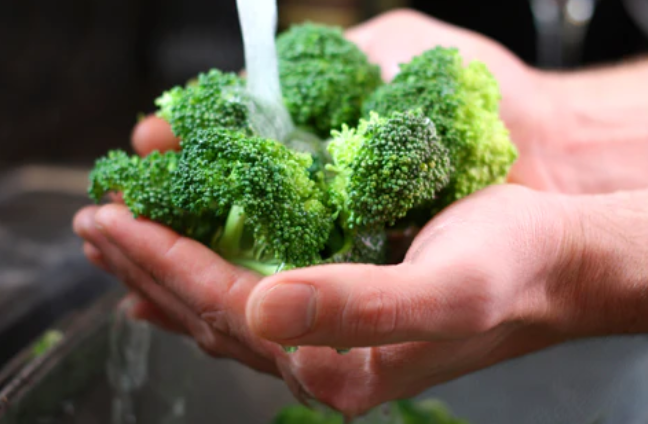
Lightly steam for 2-3 minutes (don't overcook) to preserve the invertase.
Serve with mustard or horseradish (which contains myrosinase) to promote conversion. Other vegetables: kale salad, cauliflower stir-fry, minimizing
chopping (to minimize nutrient loss).
Method 2: Choose the right supplement
Look at the ingredients: Choose a "glucoraphanin + myrosinase" combination supplement (high conversion rate) or a stabilized form of sulforaphane (requires refrigeration).
Dosage: 50-200 mg daily (according to the product instructions). Don't exceed this dosage (may cause bloating).
Method 3: Maintain a healthy gut
Eat more fermented foods: yogurt, kimchi, kombucha, to cultivate "good" gut bacteria (which can convert glucoraphanin).
Use less antibiotics: to avoid killing beneficial bacteria and affecting conversion efficiency.
Method 4: Combining foods for greater effectiveness
Combining with vitamin C: Foods like oranges, strawberries, and bell peppers can help sulforaphane absorb better.
Avoid high-fat foods: greasy foods can slow down its activity.
Method 5: Caution for these individuals
Pregnant/breastfeeding women: Consult a doctor before taking any supplements. For those taking medication: Sulforaphane may affect anticoagulants (such as warfarin), so blood glucose levels should be monitored.
For those prone to allergies: Start with a small amount the first time you take it and observe whether you develop diarrhea or a rash.
Broccoli sprouts are the top choice: use them in salads, sandwiches, or smoothies. Eat a small handful daily.
How to eat mature broccoli:
Lightly steam for 2-3 minutes (don't overcook) to preserve the invertase.
Serve with mustard or horseradish (which contains myrosinase) to promote conversion. Other vegetables: kale salad, cauliflower stir-fry, minimizing
chopping (to minimize nutrient loss).
Method 2: Choose the right supplement
Look at the ingredients: Choose a "glucoraphanin + myrosinase" combination supplement (high conversion rate) or a stabilized form of sulforaphane (requires refrigeration).
Dosage: 50-200 mg daily (according to the product instructions). Don't exceed this dosage (may cause bloating).
Method 3: Maintain a healthy gut
Eat more fermented foods: yogurt, kimchi, kombucha, to cultivate "good" gut bacteria (which can convert glucoraphanin).
Use less antibiotics: to avoid killing beneficial bacteria and affecting conversion efficiency.
Method 4: Combining foods for greater effectiveness
Combining with vitamin C: Foods like oranges, strawberries, and bell peppers can help sulforaphane absorb better.
Avoid high-fat foods: greasy foods can slow down its activity.
Method 5: Caution for these individuals
Pregnant/breastfeeding women: Consult a doctor before taking any supplements. For those taking medication: Sulforaphane may affect anticoagulants (such as warfarin), so blood glucose levels should be monitored.
For those prone to allergies: Start with a small amount the first time you take it and observe whether you develop diarrhea or a rash.
Why Choose our Glucoraphanin powder?
*100% NATURAL PRODUCT: No artificial colors or flavors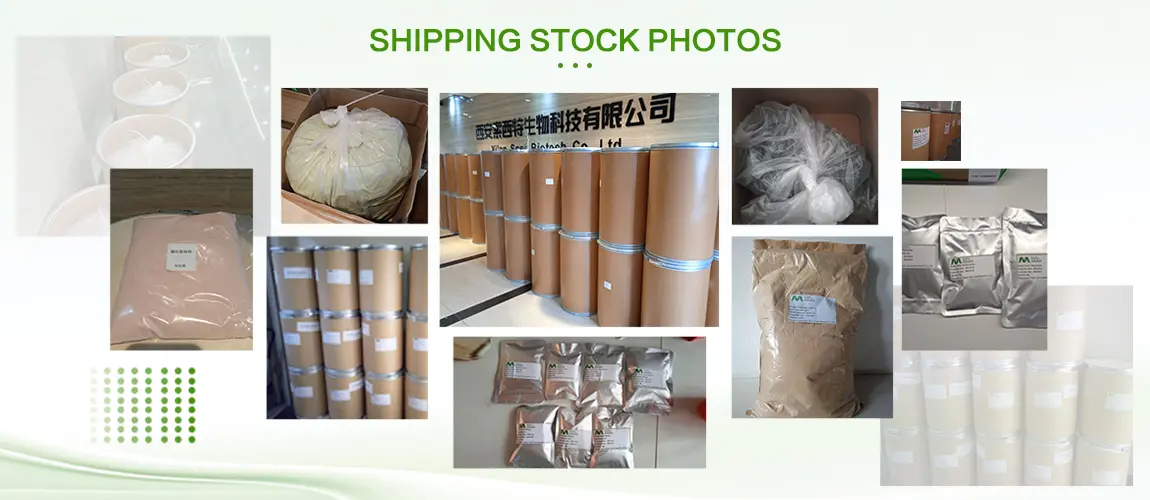
*Verified herb identity, confirmed highest quality of raw herb and the extract
*Best natural sources of herbs and raw materials: Every vendor is carefully picked to meet our high standards
*Third-party lab tested, pure Broccoli Seed Extract
Contact us Product Data Sheets
| Analysis | Description |
| Appearance | Yellow powder |
| Odor | Characteristic |
| Moisture Content | ≤ 5.0% |
| Solvent Residue | Negative |
| Total heavy metals | ≤ 20.00 mg/kg |
| Arsenic (As) | ≤ 0.2 mg/kg |
| Phosphate organics | Negative |
| Organics residues | Negative |
| DDT | ≤ 0.1 mg/kg |
| BHC | ≤ 0.1 mg/kg |
| Total Plate Count | ≤ 1000 cfu/g |
| Yeast and Mold | ≤ 100 cfu/g |
| Escherichia Coli | Negative |
| Glucoraphanin | 4.98-5.02% |
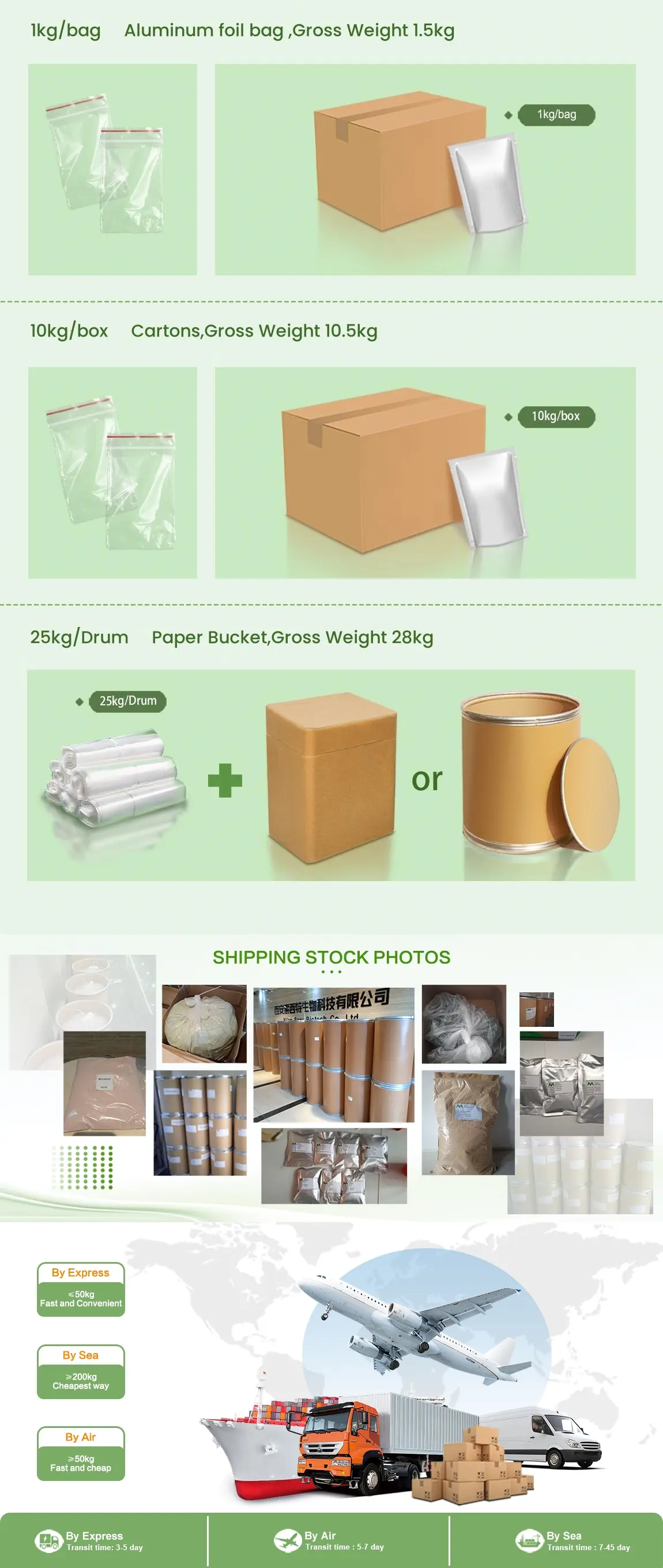
Packing & Shipping
What We Can Do?