
Cosmetic Raw Materials
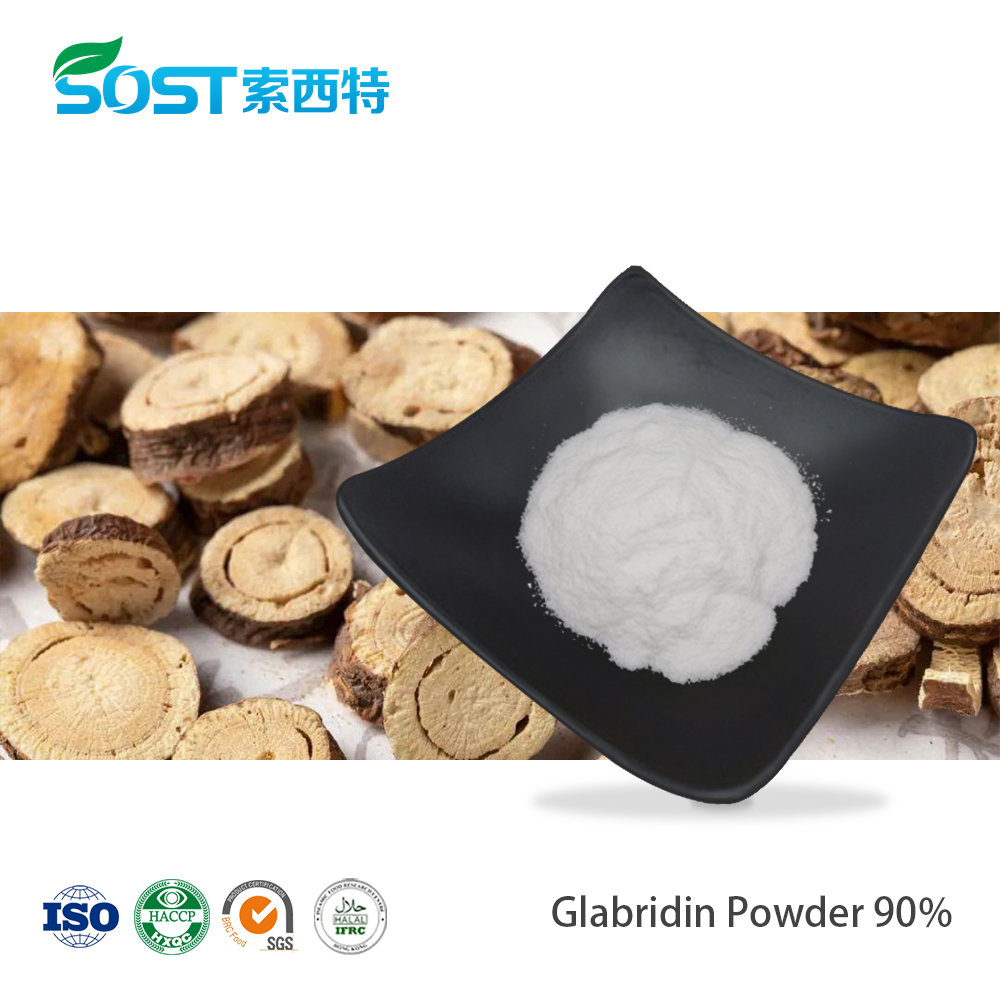



What is Glabridin Extract?
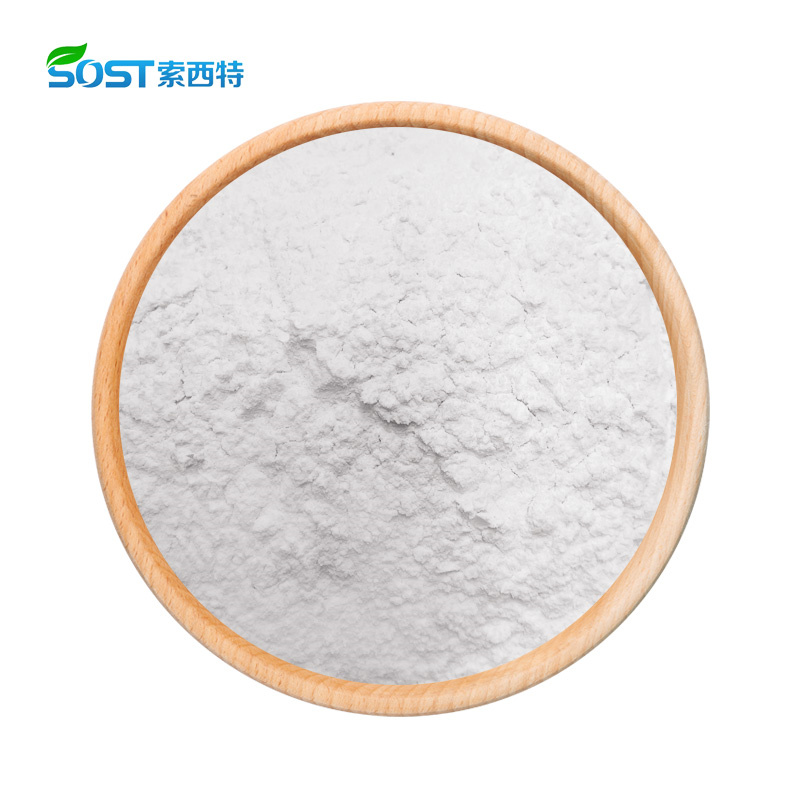
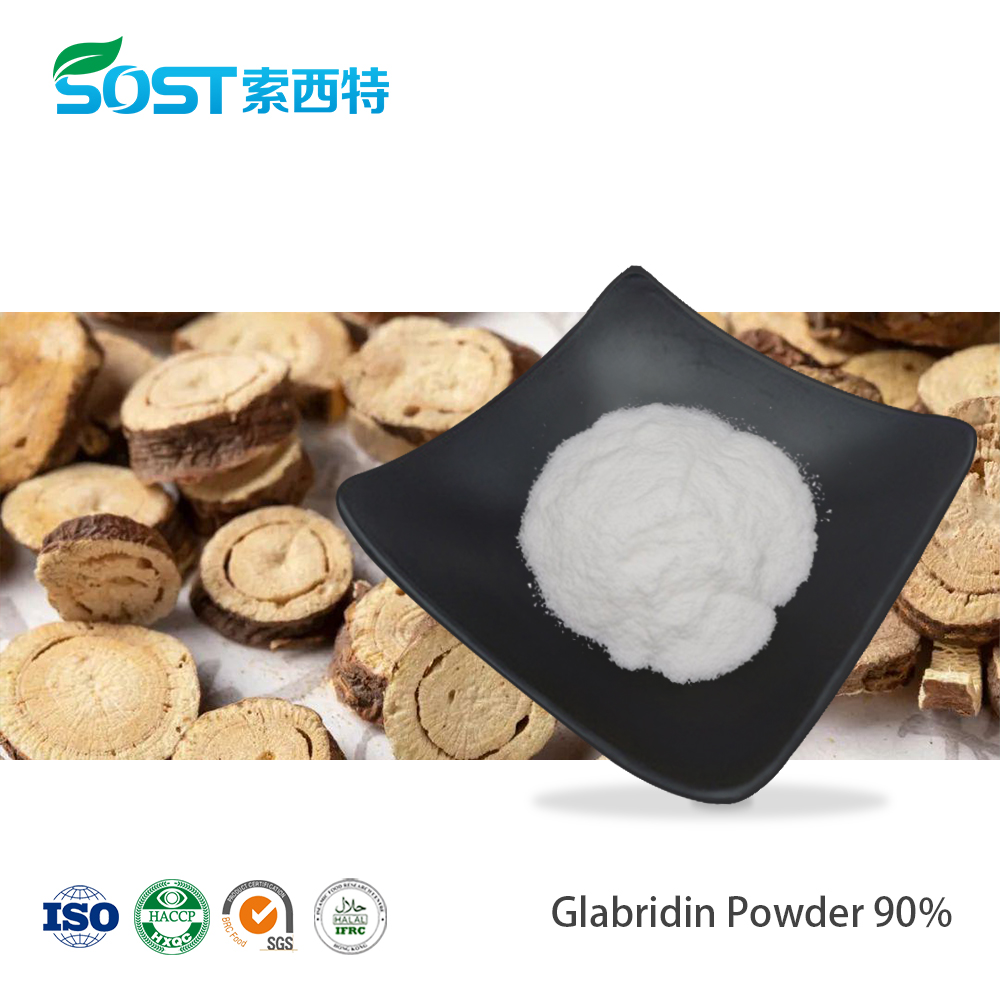
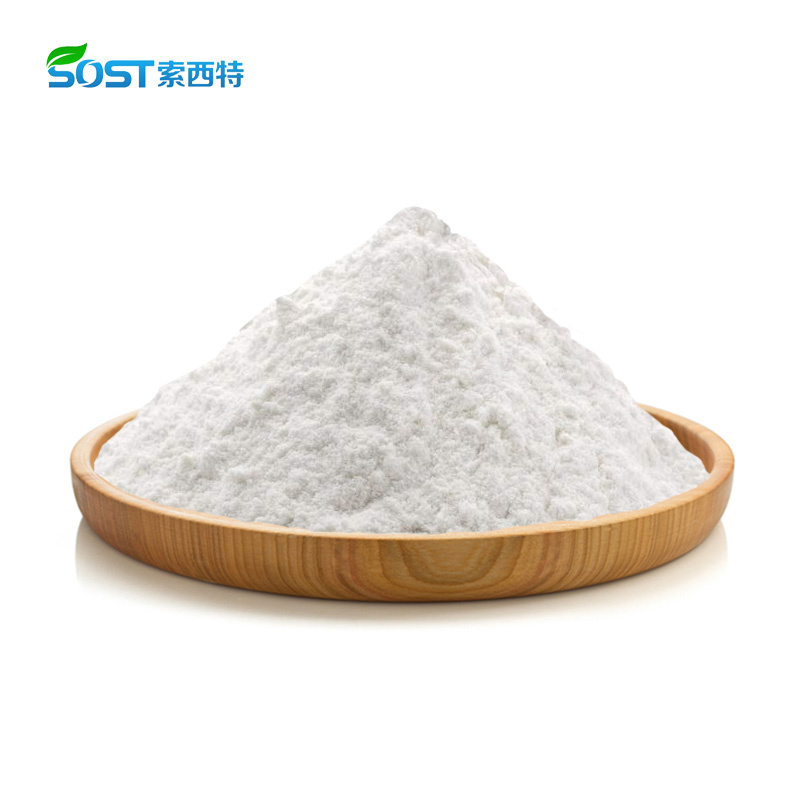
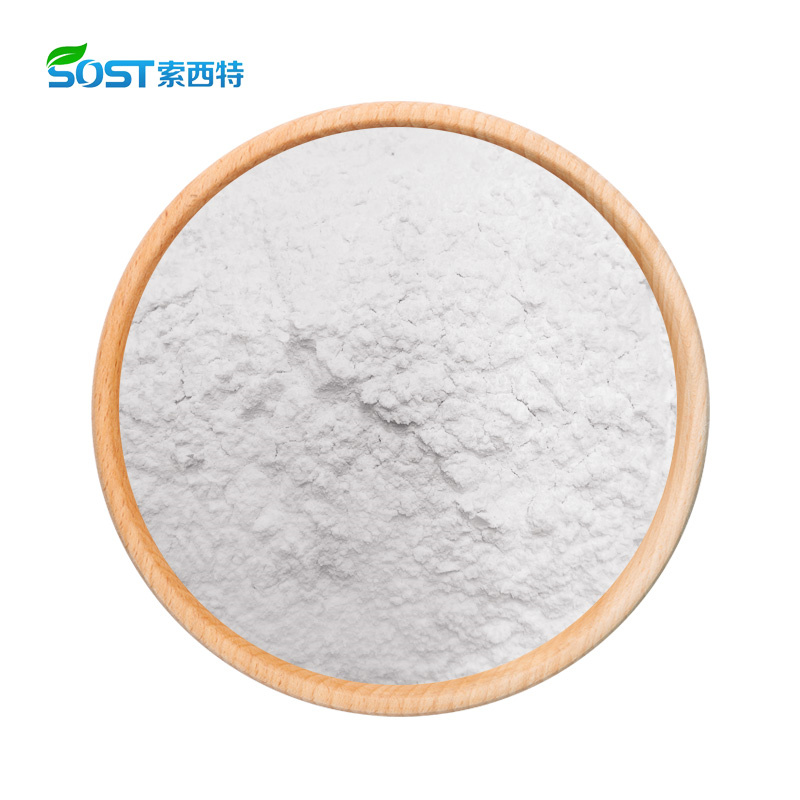
Glabridin extract is a flavonoid compound extracted from Glycyrrhiza glabra roots, with chemical formula C₂₀H₂₀O₄ (CAS: 59870-68-7) Physical characteristics include:
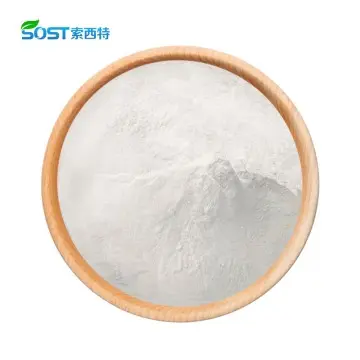
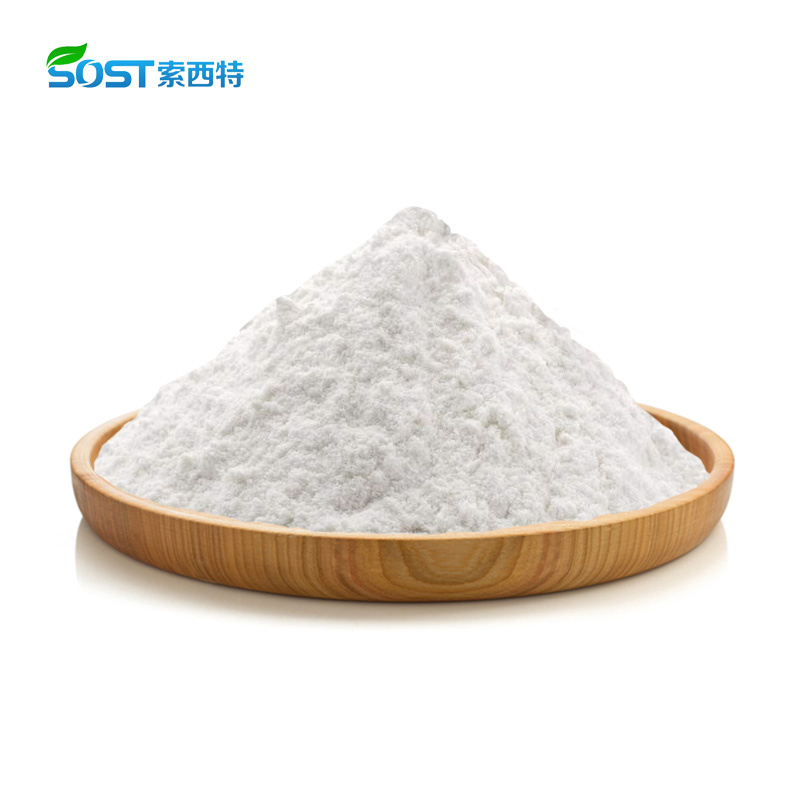
*Appearance: Low-purity variants (40%) appear as brown powder, while high-purity (≥90%) forms crystalline solids ranging from white to pale brown;
*Solubility: Insoluble in water but readily dissolves in propylene glycol, butylene glycol, and ethanol;
*Thermal stability: Melting point 156-158°C, boiling point 518.6°C.
*Appearance: Low-purity variants (40%) appear as brown powder, while high-purity (≥90%) forms crystalline solids ranging from white to pale brown;
*Solubility: Insoluble in water but readily dissolves in propylene glycol, butylene glycol, and ethanol;
*Thermal stability: Melting point 156-158°C, boiling point 518.6°C.
COA
| Analysis | Description | Test Method |
| Appearance | White or Off-white Powder | Visual |
| Odor | Characteristic | Nasil |
| Identification | Conform with reference sample | HPLC |
| Mesh Size | 100% pass 80 mesh | CP2020 |
| Moisture Content | ≤ 5.0% | GB5009.3-2016 |
| Residue on Ignition | ≤ 1.0% | GB5009.4-2016 |
| Heavy Metals | ≤ 10 ppm | CP2020 |
| Arsenic (As) | ≤ 2.0 ppm | BS EN ISO17294-2 2016 2016 |
| Lead (Pb) | ≤ 3.0 ppm | BS EN ISO17294-2 2016 |
| Cadmium (Cd) | ≤ 1.0ppm | BS EN ISO17294-2 2016 |
| Mercury (Hg) | ≤ 0.1ppm | BS EN ISO17294-2 2016 |
| Total Plate Count | ≤ 1000 cfu/g | ISO 4833- 1:2013 |
| Yeast and Mold | ≤ 100 cfu/g | ISO 21527-2:2008 |
| Escherichia Coli | Absent | ISO 16649-2:2001 |
| Salmonella/25g | Absent | ISO 6579-1:2017 |
| Assay | ≥90% | HPLC |
what is glabridin extract in skin care?
In formulations, glabridin works through synergistic pathways:
*Pigmentation control: Selectively inhibits tyrosinase catalytic activity and melanosome transfer, showing 232× greater brightening efficacy than vitamin C in hyperpigmentation models;
*Photoprotection: Neutralizes UV-induced ROS (¹O₂, ·OH), reducing lipid peroxidation in epidermal layers;
*Anti-irritation: Downregulates TNF-α and IL-1β expression, alleviating acne inflammation and neurogenic sensitivity;
*Anti-photoaging: Stimulates collagen I synthesis while suppressing MMP-mediated extracellular matrix degradation

*Pigmentation control: Selectively inhibits tyrosinase catalytic activity and melanosome transfer, showing 232× greater brightening efficacy than vitamin C in hyperpigmentation models;
*Photoprotection: Neutralizes UV-induced ROS (¹O₂, ·OH), reducing lipid peroxidation in epidermal layers;
*Anti-irritation: Downregulates TNF-α and IL-1β expression, alleviating acne inflammation and neurogenic sensitivity;
*Anti-photoaging: Stimulates collagen I synthesis while suppressing MMP-mediated extracellular matrix degradation
Will discontinuing glabridin cause dark spots to return?
Discontinuation may lead to gradual reappearance of dark spots due to:
Reversible inhibition: Temporarily blocks melanogenesis pathways without altering melanocyte function
UV reactivation: Unprotected UV exposure reactivates MITF/CREB transcription factors.
Maintenance protocol:
.Intermittent reapplication (4-8 week cycles)
.Daily SPF 30+ broad-spectrum sunscreen
Reversible inhibition: Temporarily blocks melanogenesis pathways without altering melanocyte function
UV reactivation: Unprotected UV exposure reactivates MITF/CREB transcription factors.
Maintenance protocol:
.Intermittent reapplication (4-8 week cycles)
.Daily SPF 30+ broad-spectrum sunscreen
what is the glabridin extract application?
Glabridin extract demonstrates multifunctional cosmetic and therapeutic applications. As a potent whitening agent (0.1%-1.0% concentration), it inhibits tyrosinase and melanosome transfer, synergizing with niacinamide for 40%+ efficacy against hyperpigmentation. Its antioxidant properties neutralize ROS and prevent photoaging, earning the "Whitening Gold" designation in sunscreens. The compound also exhibits anti-inflammatory effects for sensitive skin and potential therapeutic applications (colitis/antitumor research). Technical specifications: requires ethanol/propylene glycol dissolution (water-insoluble), ≥98% HPLC purity, and storage in airtight, light-resistant containers.
Where to buy Glabridin extract?
Buy cosmetic-Grade Glabridin extract - Contact SOST Biotech for:
Our Feature
1. Free samples can be provided upon your request.
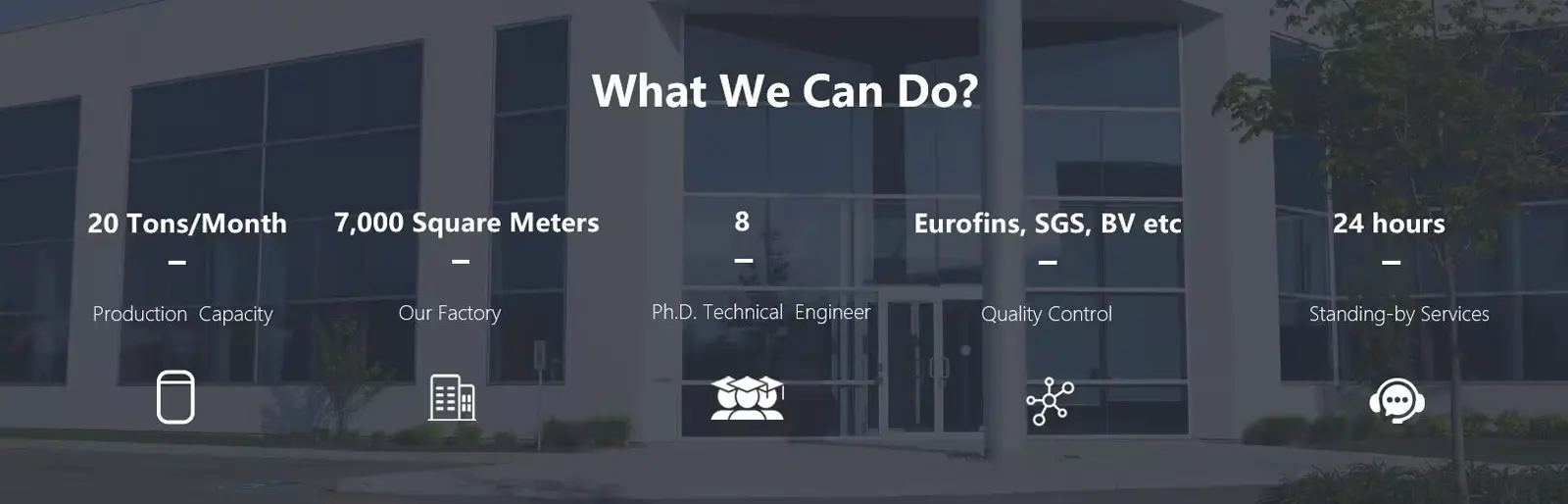
2. Production capacity: 20 tons/month.
3. The factory covers an area of 7,000 square meters and has 4 Ph.D. technical engineer.
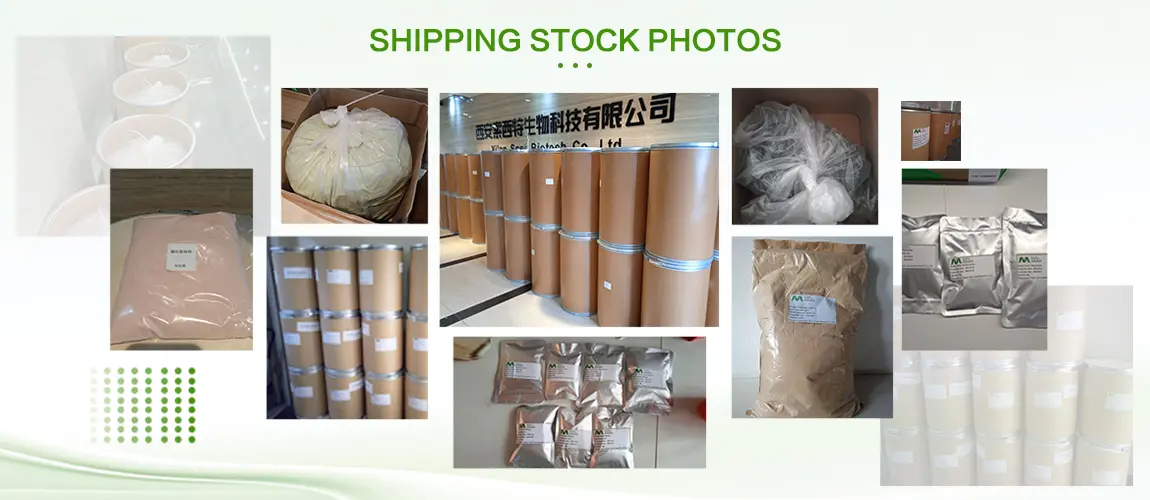
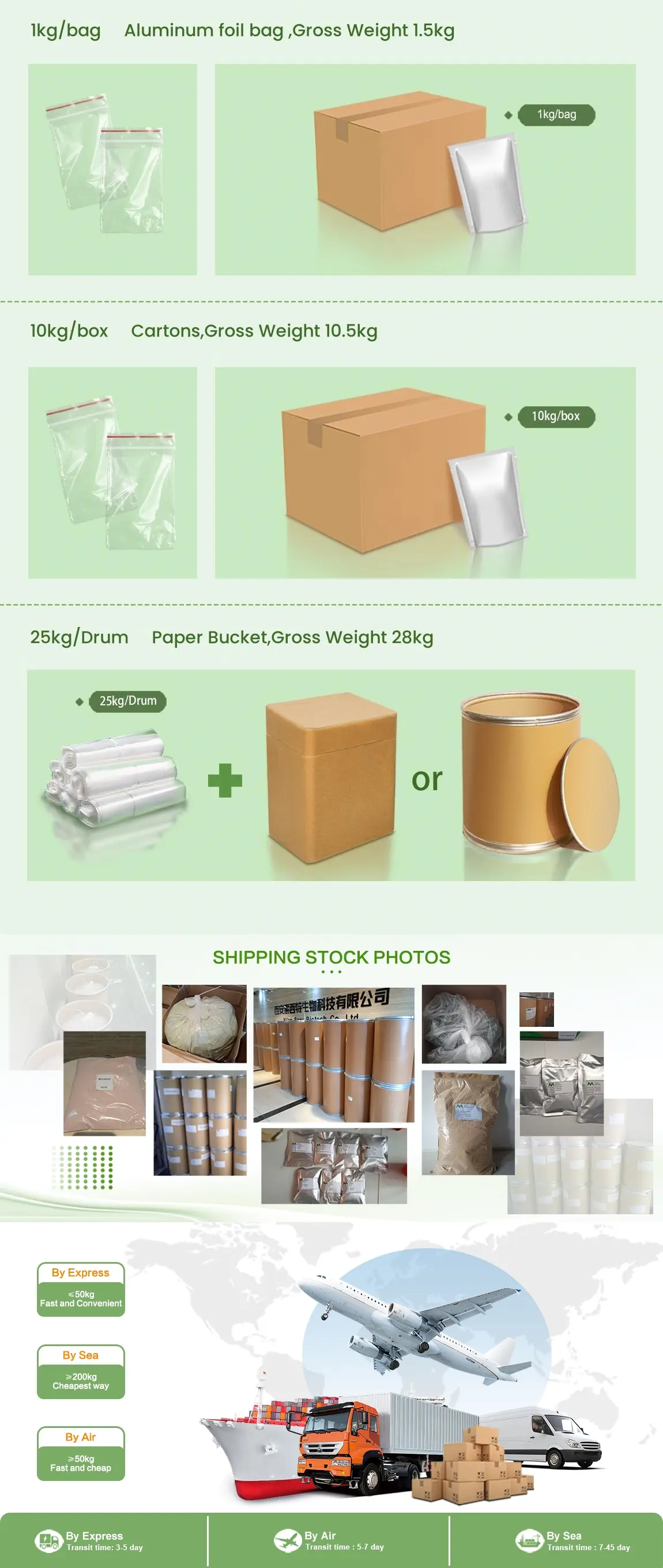
4. Transportation method: express, air transport, sea transport
5. Quality control: 3rd party laboratory testing by Eurofins, SGS, BV etc.
| Analysis | Description | Test Method |
| Appearance | White or Off-white Powder | Visual |
| Odor | Characteristic | Nasil |
| Identification | Conform with reference sample | HPLC |
| Mesh Size | 100% pass 80 mesh | CP2020 |
| Moisture Content | ≤ 5.0% | GB5009.3-2016 |
| Residue on Ignition | ≤ 1.0% | GB5009.4-2016 |
| Heavy Metals | ≤ 10 ppm | CP2020 |
| Arsenic (As) | ≤ 2.0 ppm | BS EN ISO17294-2 2016 2016 |
| Lead (Pb) | ≤ 3.0 ppm | BS EN ISO17294-2 2016 |
| Cadmium (Cd) | ≤ 1.0ppm | BS EN ISO17294-2 2016 |
| Mercury (Hg) | ≤ 0.1ppm | BS EN ISO17294-2 2016 |
| Total Plate Count | ≤ 1000 cfu/g | ISO 4833- 1:2013 |
| Yeast and Mold | ≤ 100 cfu/g | ISO 21527-2:2008 |
| Escherichia Coli | Absent | ISO 16649-2:2001 |
| Salmonella/25g | Absent | ISO 6579-1:2017 |
| Assay | ≥90% | HPLC |
Packing & Shipping
What We Can Do?