
Active Pharmaceutical Ingredients

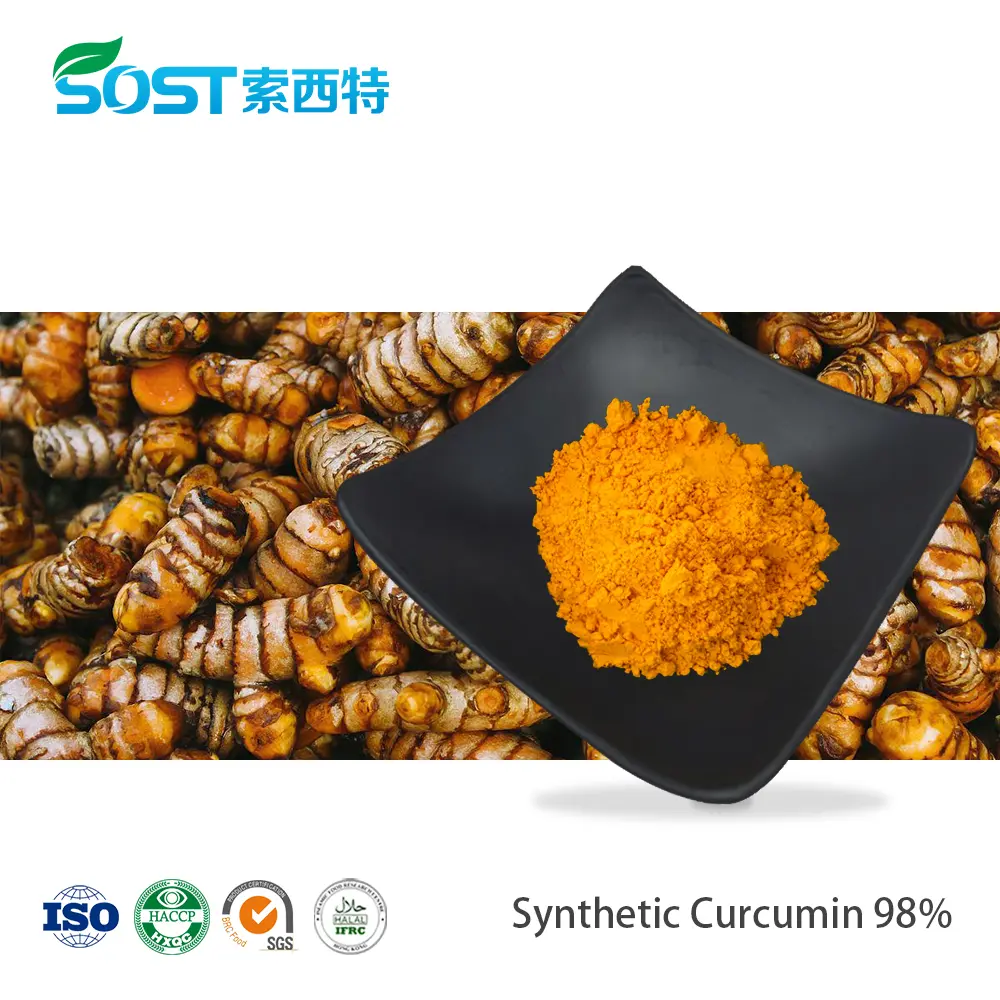



What is curcumin extract powder?
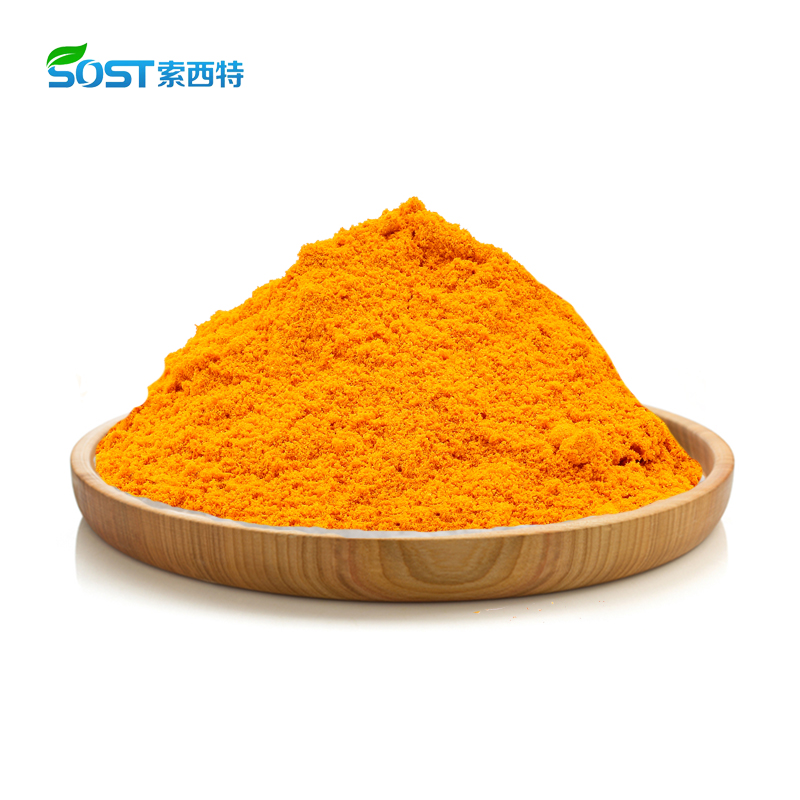
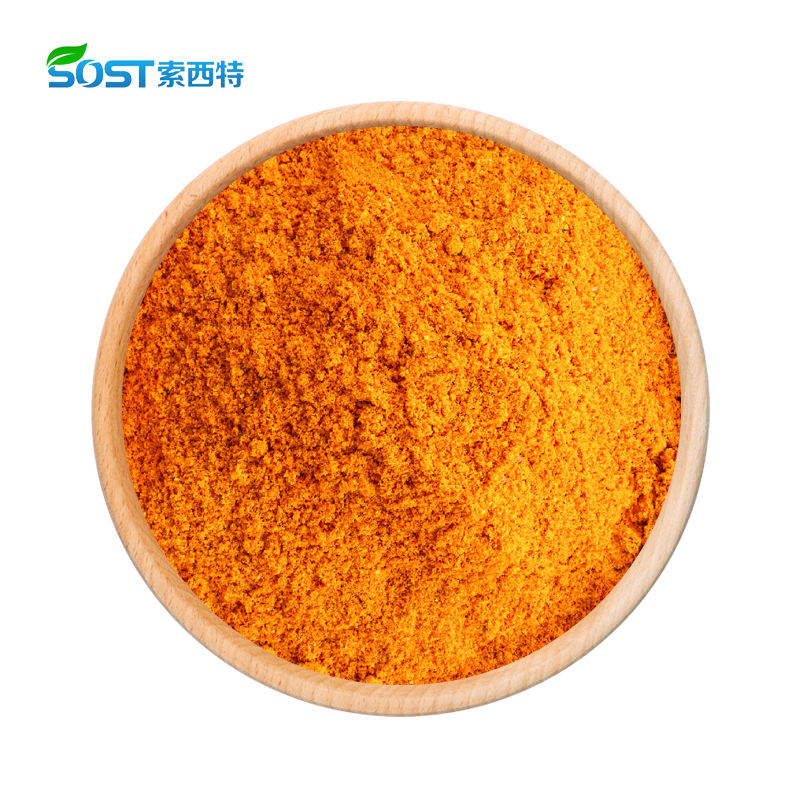
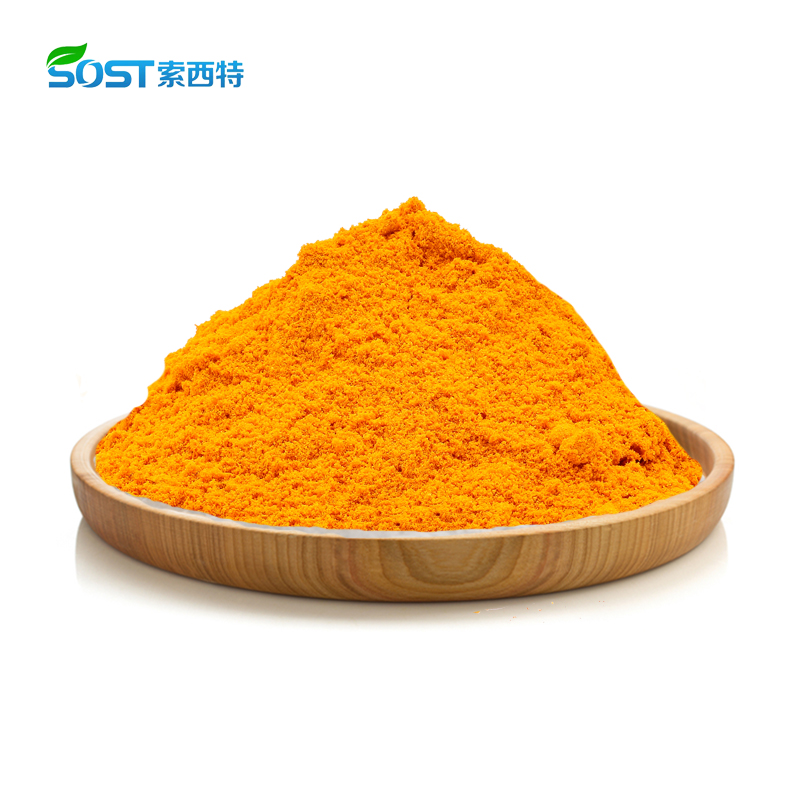
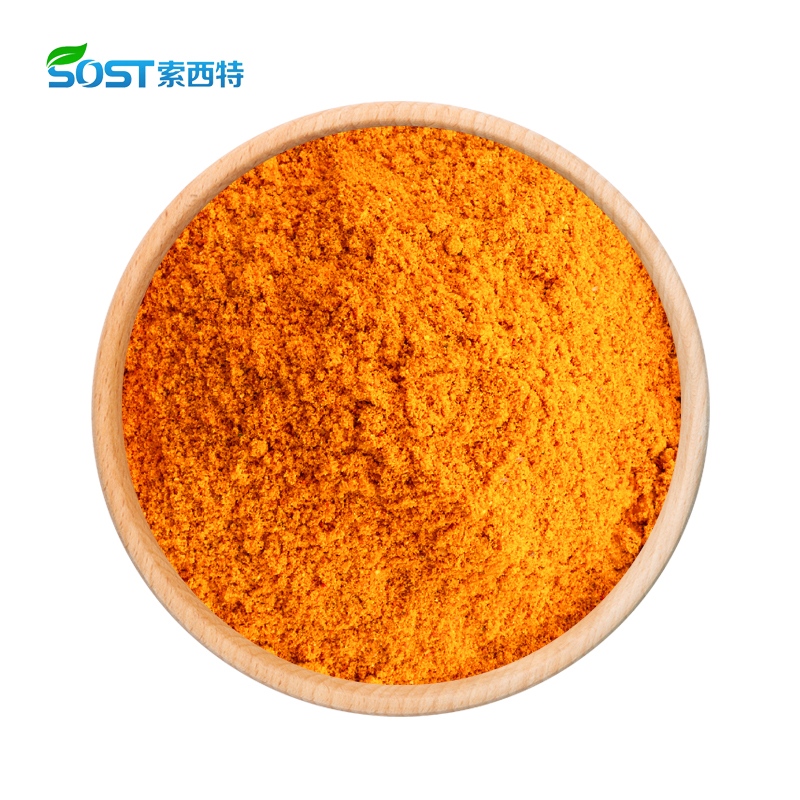
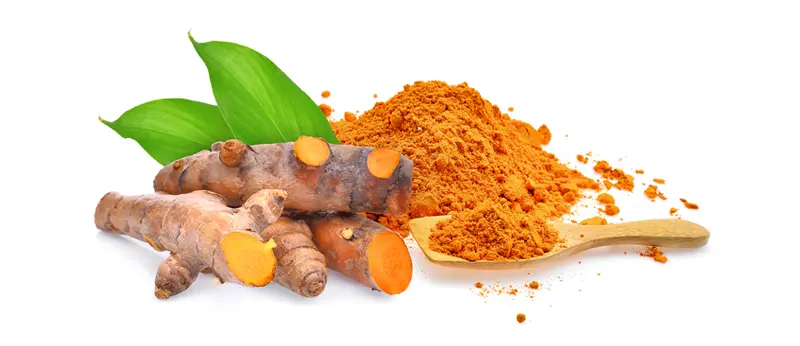
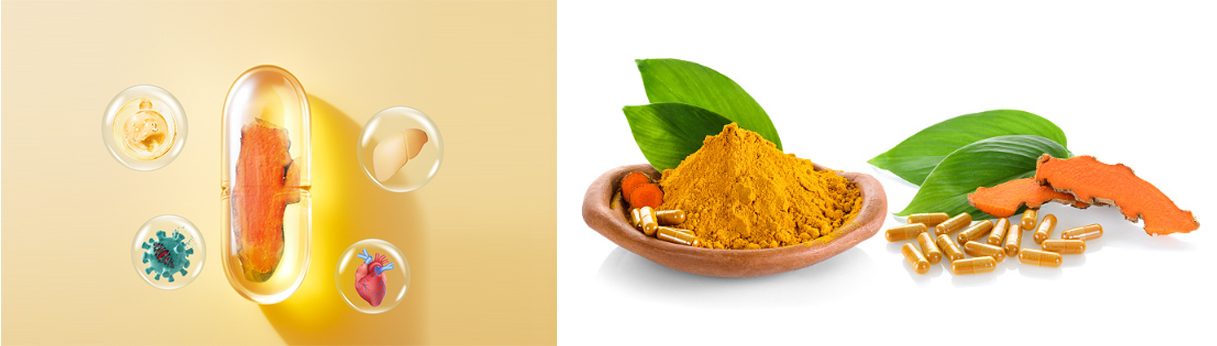
Curcumin extract powder is a concentrated, bright orange-yellow powder derived from the rhizomes of turmeric (Curcuma longa L.), standardized to contain high levels (>95%) of the bioactive polyphenol curcumin. It exhibits potent antioxidant and anti-inflammatory properties but has inherently low water solubility. Primary applications include dietary supplements for joint/cognitive support, natural food coloring in processed meats and sauces (E100 additive), and functional cosmetic ingredients57. Due to poor oral bioavailability, effective formulations require bioavailability enhancers like piperine or advanced delivery systems (e.g., phospholipid complexes)
COA
| Analysis | Description | Test Method |
| Appearance | Orange-Yellow Powder | Visual |
| Odor | Characteristic | Nasil |
| Identification | Conform with reference sample | HPLC |
| Mesh Size | 100% pass 80 mesh | CP2020 |
| Moisture Content | ≤ 1.0% | GB5009.3-2016 |
| Residue on Ignition | ≤ 0.5 % | CP2020 |
| Heavy Metals | ≤ 10 ppm | CP2020 |
| Arsenic (As) | ≤ 1.5 ppm | BS EN ISO17294-2 2016 2016 |
| Lead (Pb) | ≤ 2 ppm | BS EN ISO17294-2 2016 |
| Cadmium(Cd) | ≤1ppm | BS EN ISO17294-2 2016 |
| Mercury (Hg) | ≤1ppm | BS EN ISO17294-2 2016 |
| Methyl alcohol | 30ppm (Eurofins:LOQ ) | CP2020 |
| N,N-Dimethylformamide | 880ppm (Eurofins:LOQ ) | CP2020 |
| Total Plate Count | ≤10000 cfu/g | ISO 4833- 1:2013 |
| Yeast and Mold | ≤100 cfu/g | ISO 21527-2:2008 |
| Escherichia Coli | < 10cfu/g | ISO 16649-2:2001 |
| Salmonella/25g | Absent | ISO 6579-1:2017 |
| Effective constituent | Curcumin≥98% | HPLC |
Is the anti-inflammatory mechanism of curcumin clearly understood?
Core mechanisms are well-established, though research continues to uncover additional pathways. Curcumin primarily inhibits the NF-κB signaling pathway, suppressing pro-inflammatory cytokines (TNF-α, IL-6, IL-1β) and enzymes like COX-234. It also modulates Toll-like receptors (e.g., TLR9), SMAD proteins, and histone acetylation via p300/CBP inhibition, contributing to its broad anti-inflammatory effects34. Nano-encapsulation strategies significantly enhance its efficacy in inflammatory models, such as acute gouty arthritis
Differences between synthetic and natural curcumin
Chemically, synthetic curcumin is identical to natural curcumin molecules. Both share key biological activities, including antioxidant and anti-inflammatory effects. The critical distinction lies in composition: natural extracts contain synergistic curcuminoids (demethoxycurcumin, bisdemethoxycurcumin) and turmeric-derived compounds absent in synthetic versions16. Bioavailability limitations persist for both forms, necessitating similar formulation strategies for therapeutic use
Can curcumin extract powder be used with chemotherapy drugs?
Preclinical and clinical studies suggest synergistic potential with chemotherapeutic agents. Curcumin extract powder enhances efficacy of 5-fluorouracil and oxaliplatin in colorectal cancer by modulating drug-resistance pathways (Wnt/β-catenin, PI3K/Akt) and reducing NF-κB-mediated inflammation. It may also mitigate chemotherapy-induced toxicity through antioxidant activity. However, concurrent use requires rigorous medical supervision due to potential pharmacokinetic interactions affecting drug metabolism or potency.
Where to buy curcumin extract powder?
If you want to purchase curcumin extract powder, you can contact professional plant extract manufacturer - sost biotech:
1. Free samples can be provided upon your request.
1. Free samples can be provided upon your request.
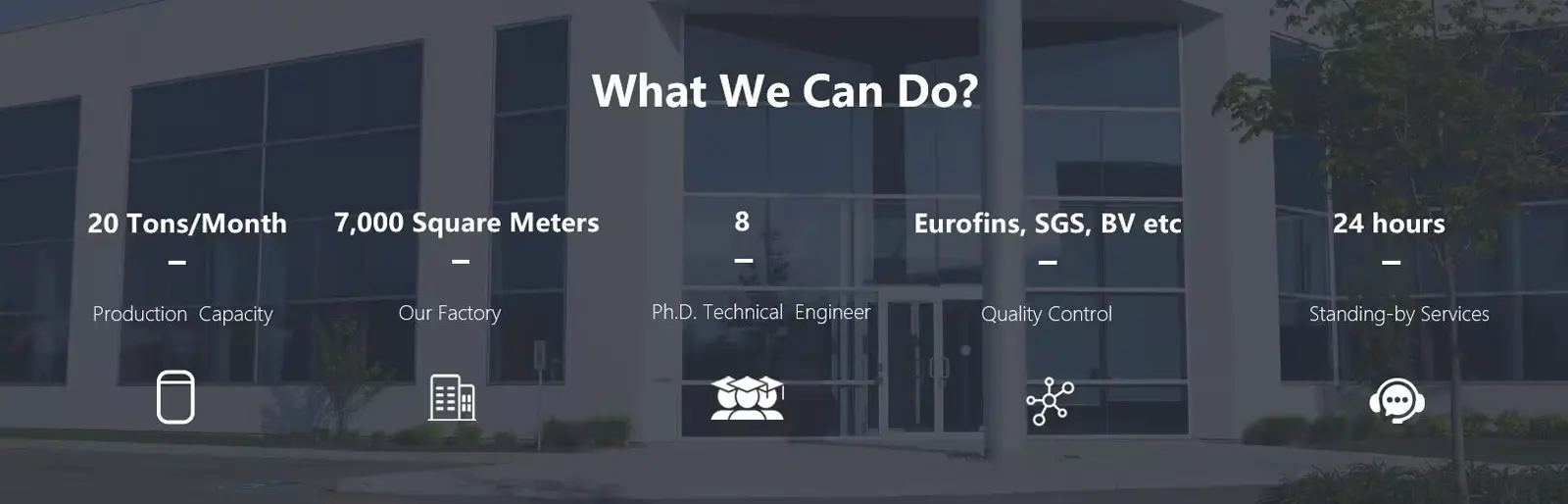
2. Production capacity: 20 tons/month.
3. The factory covers an area of 7,000 square meters and has 4 Ph.D. technical engineer.
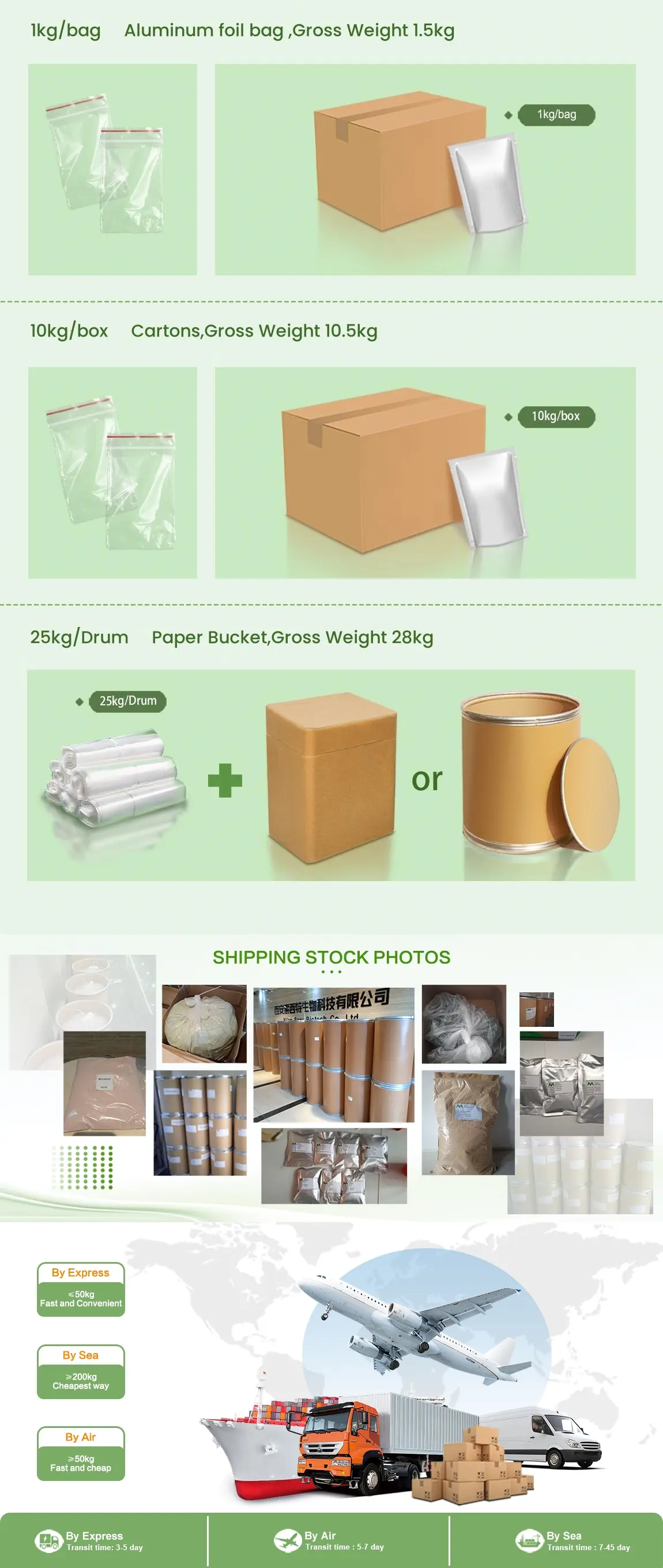
4. Transportation method: express, air transport, sea transport
5. Quality control: 3rd party laboratory testing by Eurofins, SGS, BV etc.
6. 24 hours and 7 days full time standing-by services.
Contact us

Product Data Sheets
| Analysis | Description | Test Method |
| Appearance | Orange-Yellow Powder | Visual |
| Odor | Characteristic | Nasil |
| Identification | Conform with reference sample | HPLC |
| Mesh Size | 100% pass 80 mesh | CP2020 |
| Moisture Content | ≤ 1.0% | GB5009.3-2016 |
| Residue on Ignition | ≤ 0.5 % | CP2020 |
| Heavy Metals | ≤ 10 ppm | CP2020 |
| Arsenic (As) | ≤ 1.5 ppm | BS EN ISO17294-2 2016 2016 |
| Lead (Pb) | ≤ 2 ppm | BS EN ISO17294-2 2016 |
| Cadmium(Cd) | ≤1ppm | BS EN ISO17294-2 2016 |
| Mercury (Hg) | ≤1ppm | BS EN ISO17294-2 2016 |
| Methyl alcohol | 30ppm (Eurofins:LOQ ) | CP2020 |
| N,N-Dimethylformamide | 880ppm (Eurofins:LOQ ) | CP2020 |
| Total Plate Count | ≤10000 cfu/g | ISO 4833- 1:2013 |
| Yeast and Mold | ≤100 cfu/g | ISO 21527-2:2008 |
| Escherichia Coli | < 10cfu/g | ISO 16649-2:2001 |
| Salmonella/25g | Absent | ISO 6579-1:2017 |
| Effective constituent | Curcumin≥98% | HPLC |
Packing & Shipping
What We Can Do?