
Active Pharmaceutical Ingredients


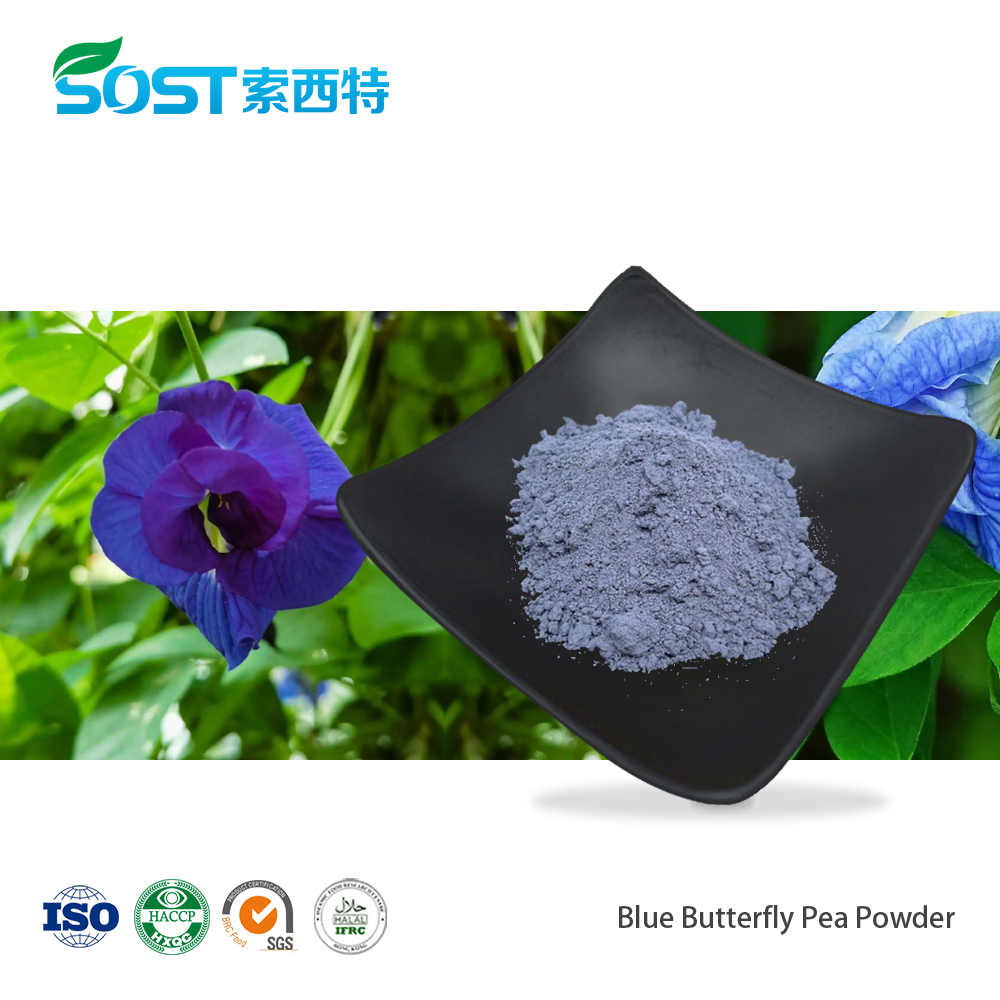
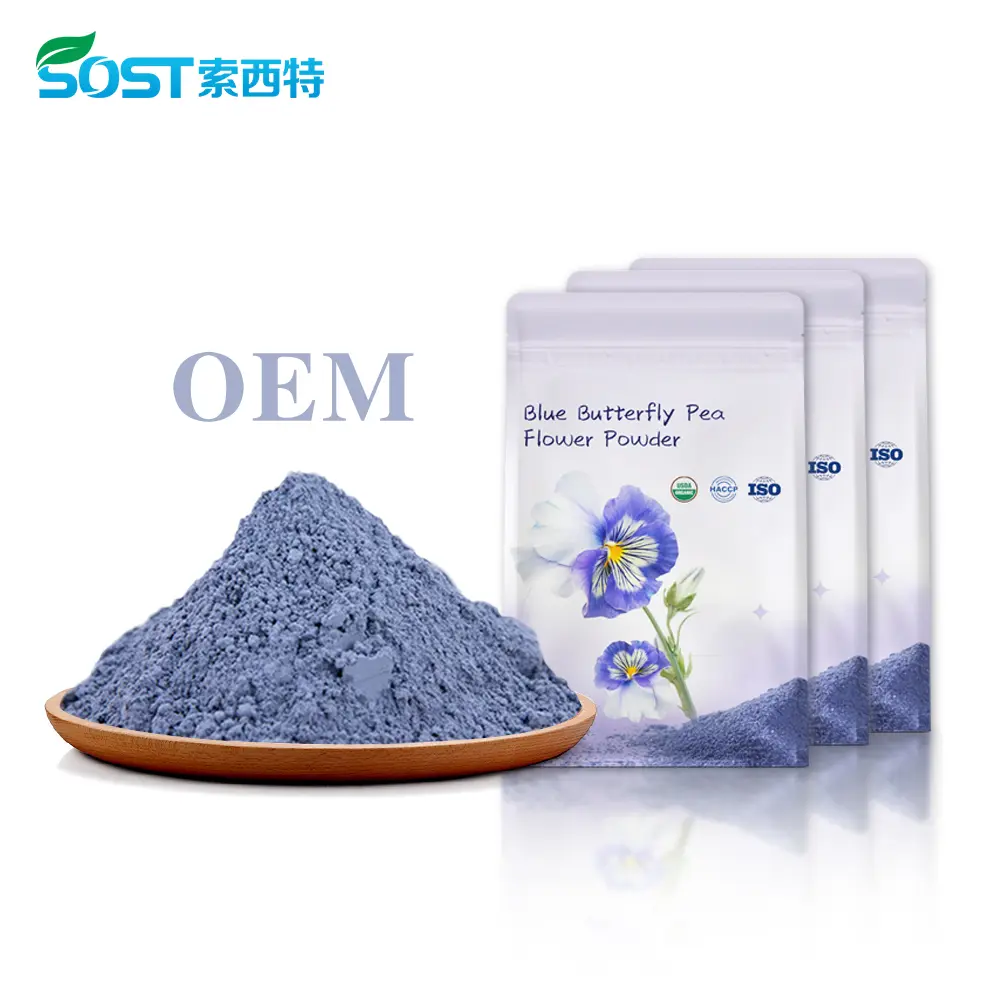


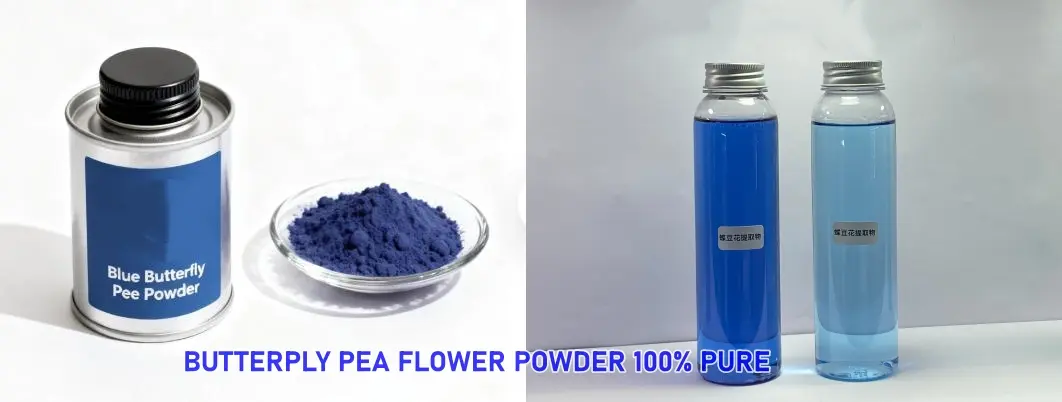
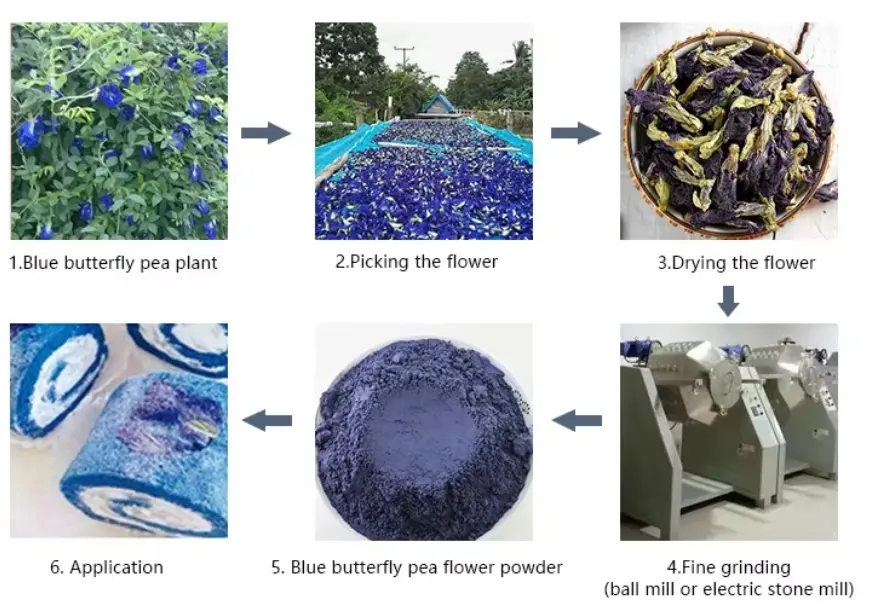
what is Blue Butterfly Pea Powder?
Blue Butterfly Pea Powder is rich in anthocyanins (mainly ternatin and its polyacyl derivatives). It is light blue in the neutral pH range of 3.8–7.5 but turns turquoise in acidic media (pH < 3.5) and alkaline media (pH > 8.0). This “colour-changing magic” allows brands to create secondary interactive experiences, such as “shake to change color” and “layered color change,” to significantly increase social media engagement. Compared to existing plant pigments (gardenia japonica, spirulina extract), butterfly pollen boasts the widest range of color changes and allows for “multiple colors in one powder” without separate mixing, significantly reducing formulation complexity.
In an in vitro study conducted at the National University of Singapore in 2024, butterfly pea anthocyanins showed 94.7% ABTS free radical scavenging, 1.8 times higher than blueberry honey. In an animal study conducted at Mahidol University in Thailand, continuous administration of 200 mg/kg of butterfly pea anthocyanin for 30 days significantly reduced AGE accumulation in the retina of mice and reduced blue light-induced oxidative damage by 63%. In this era of “oral antioxidants” and “eye protection,” butterfly peas offer the dual benefit of “functionality + aesthetics” with their unique color and aesthetics.
In an in vitro study conducted at the National University of Singapore in 2024, butterfly pea anthocyanins showed 94.7% ABTS free radical scavenging, 1.8 times higher than blueberry honey. In an animal study conducted at Mahidol University in Thailand, continuous administration of 200 mg/kg of butterfly pea anthocyanin for 30 days significantly reduced AGE accumulation in the retina of mice and reduced blue light-induced oxidative damage by 63%. In this era of “oral antioxidants” and “eye protection,” butterfly peas offer the dual benefit of “functionality + aesthetics” with their unique color and aesthetics.
COA
| Physical&Chemical Test | Standard | Inspection Result | Method |
|---|---|---|---|
| Appearance | Blue Fine Powder | Conforms | Visual |
| Odor | Characteristic | Conforms | Organoleptic |
| Particle Size | 100% through 80 mesh | Conforms | Sieve Test |
| Ash | ≤5.0% | 3.25% | CP2015 |
| Loss on Drying | ≤5.0% | 3.56% | CP2015 |
| Heavy Metals | ≤10.0ppm | <10ppm | AAS |
| Pb | ≤2.0ppm | Conforms | AAS |
| As | ≤1.0ppm | Conforms | AAS |
| Hexachlorocyclohexane | ≤0.2ppm | Negative | GC |
| DDT | ≤0.2ppm | Negative | GC |
| DDVP | ≤0.1ppm | Negative | GC |
| Dimethoate | ≤0.2ppm | Negative | GC |
| Microbiological Test | |||
| Total bacterial count | ≤1000cfu/g | Conforms | AOAC |
| Mold & Yeast | ≤100cfu/g | Conforms | AOAC |
| E.Coli | Negative | Negative | AOAC |
| Salmonella | Negative | Negative | AOAC |
Is butterfly bean pollen safe for food?
General toxicological data: A 90-day subchronic toxicity study published by the Thai Food and Drug Administration (FDA) in 2022 revealed that rats fed a daily dose of 2,500 mg/kg body weight of pea hepatotoxicity, nephrotoxicity, neurotoxicity, and no neurotoxicity were observed. The no-observed effect level (NOAEL) was 2500 mg/kg bw, significantly higher than the human daily exposure limit. In 2023, the Food Safety and Risk Assessment Center of Thailand set an Acceptable Daily Intake (ADI) of 0–300 mg/kg bw. For a 10kg adult, this equates to 18g of butterfly peas per day. The excess in commercial beverages is only 0.3 g/kg, 600 times the safe limit.
Allergy testing: Unlike common toxic legume crops (e.g., chives, long beans), butterfly pea flowers do not contain alkaloids such as levodopa, nor do they contain the allergenic proteins 2S-albumin. A 2024 double-blind, placebo-controlled study of 600 people at the Chinese University of Hong Kong found no immediate IgE-mediated allergic reactions to butterfly pepper among 600 people with bee allergies. Furthermore, the EU EFSA’s assessment report ‘No significant allergenicity’, published in March 2025, classified butterfly bean pollen as ‘not significantly allergenic’. As a precaution, however, national standards still say on the label “May contain pollen. Use with caution if allergic.”
Special Populations: Because butterfly pea flowers powder have a stimulating effect on uterine smooth muscle, national standards recommend that pregnant and lactating women consume no more than 300 mg of pollen per day. It is currently not recommended in infant formula (0-36 months). Companies that produce kids’ jellies, melt-in-your-mouth peas, etc. should target kids ages 3 and up.
Allergy testing: Unlike common toxic legume crops (e.g., chives, long beans), butterfly pea flowers do not contain alkaloids such as levodopa, nor do they contain the allergenic proteins 2S-albumin. A 2024 double-blind, placebo-controlled study of 600 people at the Chinese University of Hong Kong found no immediate IgE-mediated allergic reactions to butterfly pepper among 600 people with bee allergies. Furthermore, the EU EFSA’s assessment report ‘No significant allergenicity’, published in March 2025, classified butterfly bean pollen as ‘not significantly allergenic’. As a precaution, however, national standards still say on the label “May contain pollen. Use with caution if allergic.”
Special Populations: Because butterfly pea flowers powder have a stimulating effect on uterine smooth muscle, national standards recommend that pregnant and lactating women consume no more than 300 mg of pollen per day. It is currently not recommended in infant formula (0-36 months). Companies that produce kids’ jellies, melt-in-your-mouth peas, etc. should target kids ages 3 and up.
Where to buy Blue Butterfly Pea Powder?
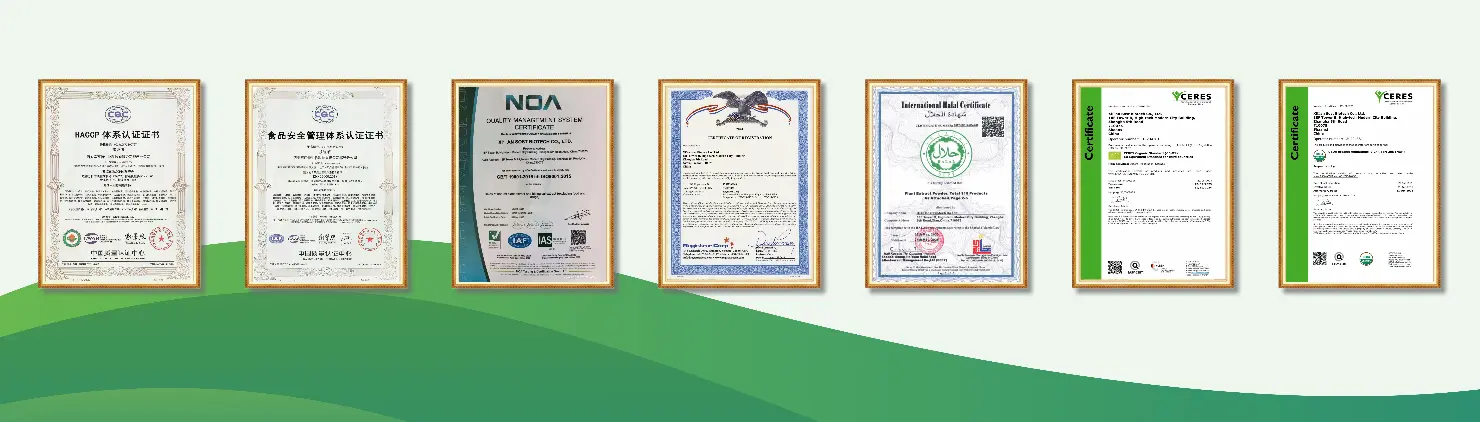
SOST Biotech, a source factory with an annual production capacity of over 500 tons of butterfly pea pollen, provides "organic certification + low-bacterial powder + 80-200 mesh ultrafine powder + in-stock stock starting from 1 ton".
Product Specifications: Standard 80 mesh beverage grade, 120 mesh baking grade, 200 mesh instant grade; standard color values E3, E10, customizable acid-resistant and high-temperature resistant microcapsule powder.
Contact email: ericyang@xasost.com
Our advantages
1. Free samples can be provided upon your request.
Contact email: ericyang@xasost.com
Our advantages
1. Free samples can be provided upon your request.
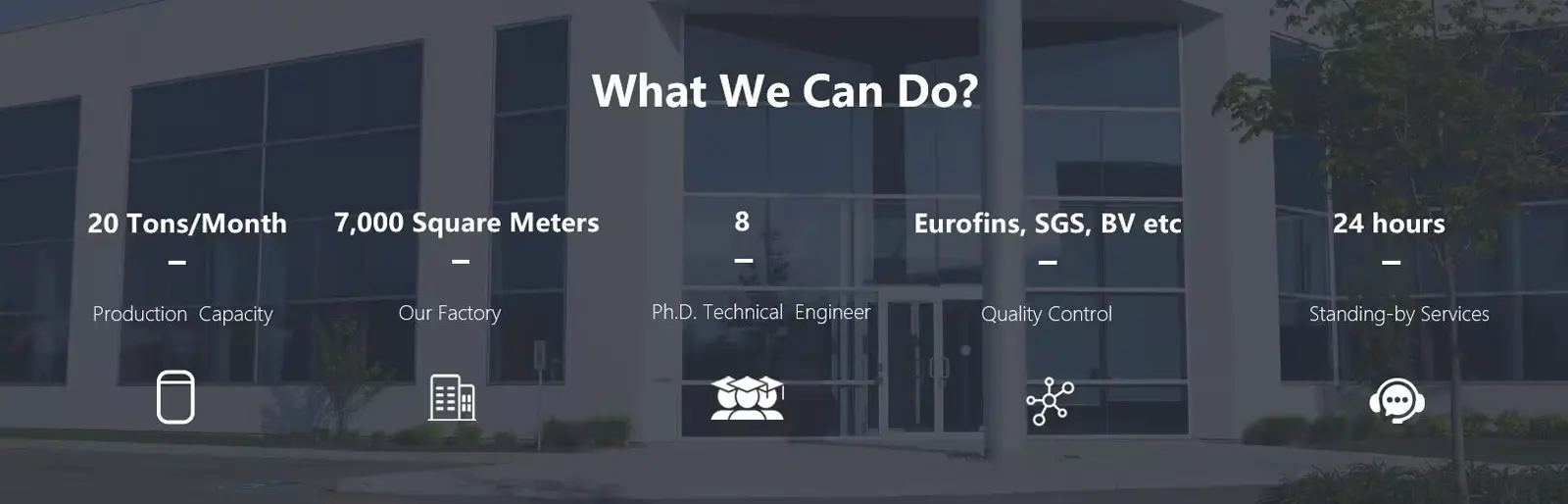
2. Production capacity: 20 tons/month.
3. The factory covers an area of 7,000 square meters and has 4 Ph.D. technical engineer.
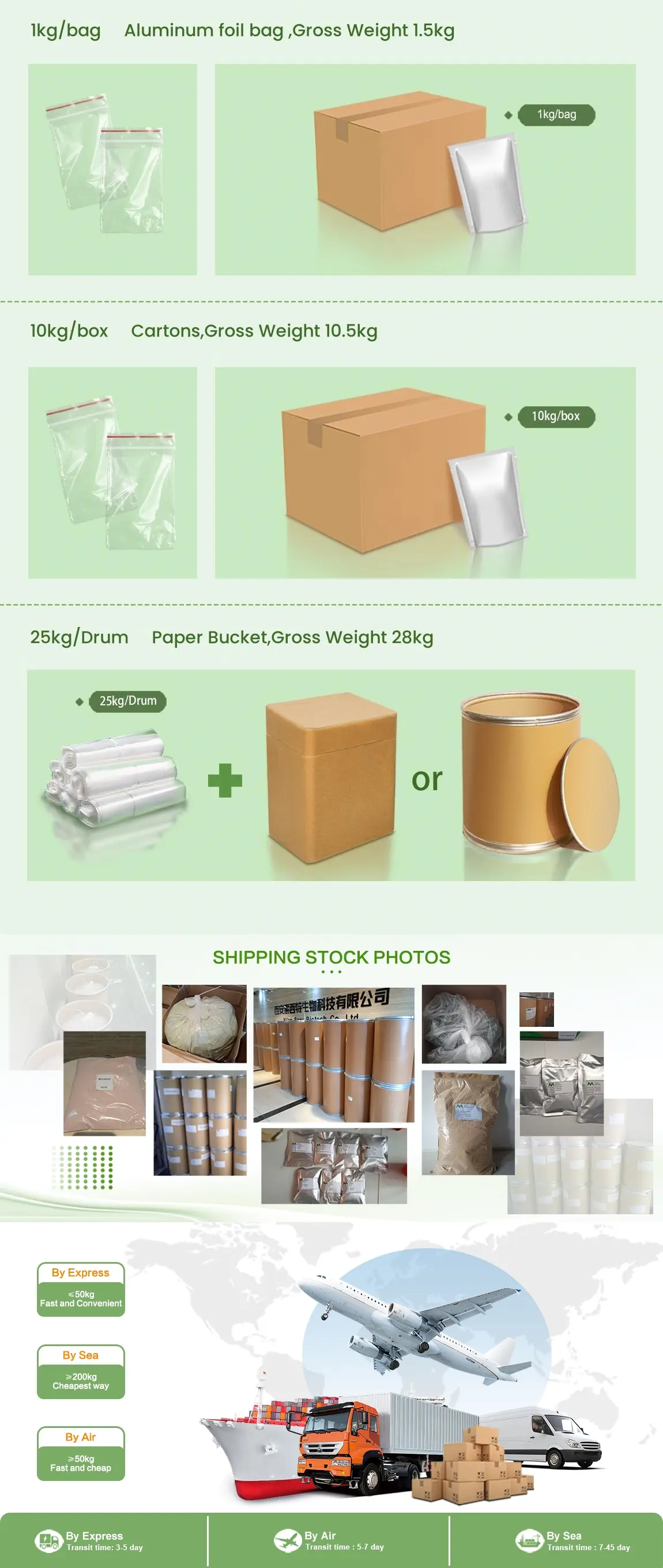
4. Transportation method: express, air transport, sea transport
5. Quality control: 3rd party laboratory testing by Eurofins, SGS, BV etc.
6. 24 hours and 7 days full time standing-by services.
Contact us
Product Data Sheets
| Analysis | Description | Test Method |
| Appearance | Orange-Yellow Powder | Visual |
| Odor | Characteristic | Nasil |
| Identification | Conform with reference sample | HPLC |
| Mesh Size | 100% pass 80 mesh | CP2020 |
| Moisture Content | ≤ 1.0% | GB5009.3-2016 |
| Residue on Ignition | ≤ 0.5 % | CP2020 |
| Heavy Metals | ≤ 10 ppm | CP2020 |
| Arsenic (As) | ≤ 1.5 ppm | BS EN ISO17294-2 2016 2016 |
| Lead (Pb) | ≤ 2 ppm | BS EN ISO17294-2 2016 |
| Cadmium(Cd) | ≤1ppm | BS EN ISO17294-2 2016 |
| Mercury (Hg) | ≤1ppm | BS EN ISO17294-2 2016 |
| Methyl alcohol | 30ppm (Eurofins:LOQ ) | CP2020 |
| N,N-Dimethylformamide | 880ppm (Eurofins:LOQ ) | CP2020 |
| Total Plate Count | ≤10000 cfu/g | ISO 4833- 1:2013 |
| Yeast and Mold | ≤100 cfu/g | ISO 21527-2:2008 |
| Escherichia Coli | < 10cfu/g | ISO 16649-2:2001 |
| Salmonella/25g | Absent | ISO 6579-1:2017 |
| Effective constituent | Curcumin≥98% | HPLC |
Packing & Shipping
What We Can Do?