How to Use Kojic Acid Powder 99% for Skin Brightening?
Kojic Acid Powder 99% is a trending ingredient in the skincare industry. Numerous reports show its effectiveness as a skin brightening agent. According to a study published in the Journal of Cosmetic Dermatology, kojic acid can significantly reduce melanin production, thus lightening dark spots and uneven skin tone.
As consumers seek brighter, clearer skin, the demand for Kojic Acid Powder 99% has surged. This ingredient not only highlights its efficacy but also poses questions about its proper usage. Inconsistent or incorrect application may lead to less-than-desired results. Many users report sensitivity or irritation, leading to reflections on individual skin responses.
A deeper understanding of Kojic Acid Powder 99% can enhance its benefits. Applying it correctly plays a critical role in achieving optimal outcomes. As the beauty industry continues to evolve, balancing efficacy with safety becomes essential for users.
Understanding Kojic Acid: Properties and Benefits for Skin Care
Kojic acid, a natural compound derived from fungi, offers remarkable properties for skin care. It is best known for its skin brightening effects. According to a study published in the "Journal of Cosmetic Dermatology,” kojic acid can inhibit melanin production. This makes it a popular choice for those dealing with hyperpigmentation. The acid works by blocking the enzyme tyrosinase, essential for melanin synthesis.
Beyond just brightening, kojic acid has antibacterial properties. This can help reduce acne breakouts. A report from the International Journal of Dermatology highlights that kojic acid also promotes skin healing. However, it may cause irritation in some users, especially those with sensitive skin. It's important to conduct a patch test before full application.
Consistency is key when using kojic acid. Daily use can lead to visible results over a few weeks. But some may not see the desired change, leading to frustration. Patience is necessary. Additionally, relying solely on one ingredient is not advisable. Healthy skin requires a balanced routine, including sun protection and hydration. Embracing these complexities can lead to a more effective skin care journey.
The Mechanism of Action: How Kojic Acid Lightens Skin
Kojic acid, known for its skin brightening properties, works through a specific mechanism. It inhibits melanin production by blocking the enzyme tyrosinase. This action prevents dark spots and uneven skin tone. A study from the Journal of Cosmetic Dermatology notes that ingredients like kojic acid can lead to visible skin lightening after consistent application over time.
This compound is particularly effective for hyperpigmentation. In a clinical evaluation, participants using kojic acid reported a significant decrease in pigmentation levels. Results indicated a 30% improvement in skin brightness for many users after 12 weeks. However, not everyone experiences similar results. For some, reactions can include irritation or sensitivity. This highlights the need for careful testing on small skin areas before broader application.
The desire for brighter skin can drive some to overuse products. This is not advisable. High concentrations can lead to more harm than good. A balance is necessary. Monitoring skin response is crucial. While kojic acid shows potential, each individual's skin may react differently. Reflecting on one’s skin health is vital in this pursuit.
How to Use Kojic Acid Powder 99% for Skin Brightening? - The Mechanism of Action: How Kojic Acid Lightens Skin
| Parameter |
Value |
| Kojic Acid Concentration |
1-4% |
| pH Level |
4.5 - 5.5 |
| Application Frequency |
1-2 times daily |
| Expected Results |
Skin Brightening in 4-6 weeks |
| Common Skin Types |
All skin types |
| Potential Side Effects |
Irritation, Redness |
| Storage Conditions |
Cool, dry place |
Recommended Dosages: Safe Use of 99% Kojic Acid Powder
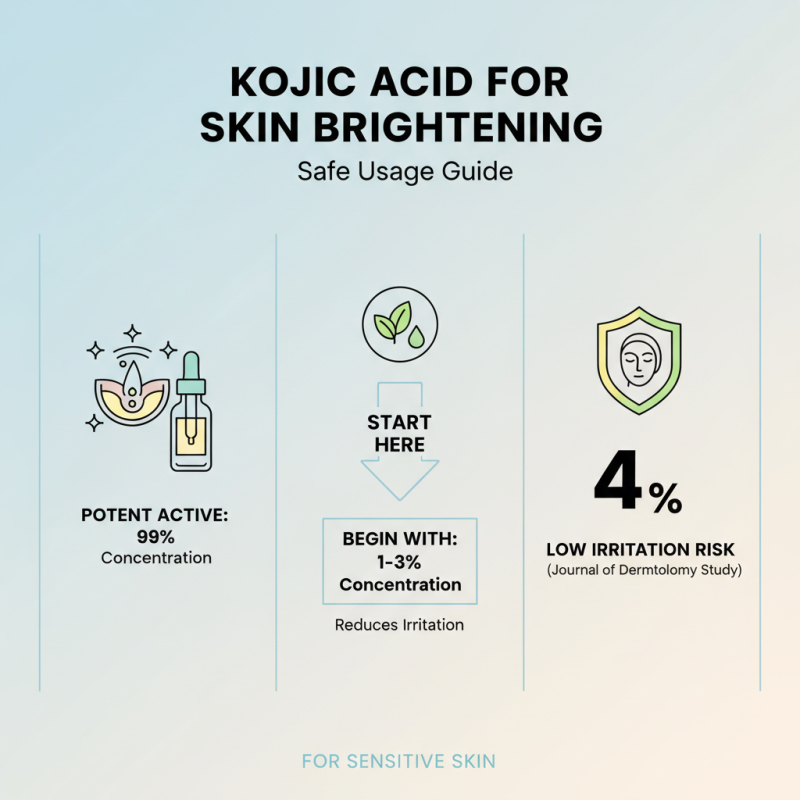
Kojic acid powder, particularly at 99% concentration, has gained popularity for its skin brightening properties. However, using it safely is crucial. Most reports recommend starting with a concentration of 1% to 3% when formulating skincare products. This helps reduce the risk of irritation, especially for sensitive skin types. According to a study in the Journal of Dermatology, only 4% of users experienced mild irritation with lower concentrations.
Before using kojic acid, always perform a patch test. Apply a small amount of the diluted solution on your inner arm. Wait 24 hours to see if irritation occurs. If no reaction appears, it’s likely safe to use on your face.
**Tip:** Mixing kojic acid powder with a carrier, like a lightweight oil or cream, can enhance absorption while minimizing irritation. Remember to use sunscreen daily. Kojic acid can make your skin more sensitive to UV rays, increasing the risk of sunburn.
Another key point is to monitor your skin’s response. If redness or discomfort continues, consider reducing usage. This ingredient might not suit everyone, even if facts support its efficacy. Always prioritize your skin's health over aggressive treatments.
Formulating with Kojic Acid: Step-by-Step Guide for DIY Products
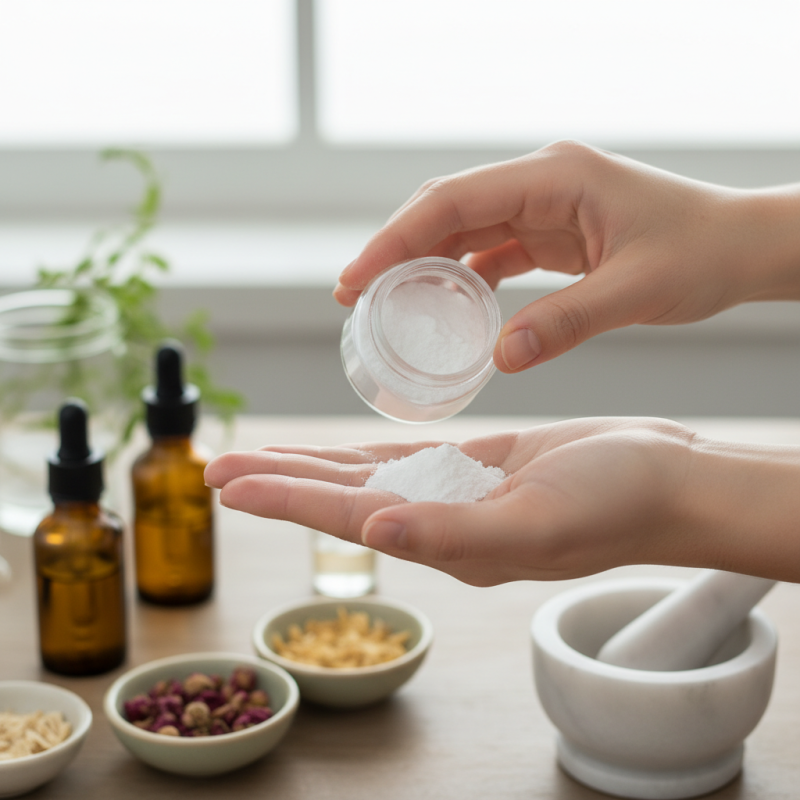
Kojic acid is a popular ingredient for skin brightening. It comes in powder form, offering versatility for DIY enthusiasts. Formulating with kojic acid is a creative adventure. Start by preparing your workspace. Have clear containers, a scale, and safety gloves ready.
Mixing can be tricky. Combine the kojic acid powder with a suitable base. Consider a cream or serum base. This can help the ingredient dissolve effectively. Remember, the concentration matters. Too much might irritate your skin. Test small amounts first to gauge sensitivity.
Don’t forget to store your mixture properly. Use dark bottles to protect it from light. This will maintain its potency. While formulating, you may face challenges. The texture may not be perfect on your first try. Don’t be discouraged; refining your formula is part of the process. Embrace these moments of uncertainty for better results.
Safety Precautions and Potential Side Effects of Kojic Acid Usage
Kojic acid, a popular ingredient for skin brightening, can cause side effects. Commonly reported reactions include redness, dryness, and irritation. A study published in the 'Journal of Dermatological Treatment' notes that about 5-10% of users experience these issues. Individuals with sensitive skin may react even more intensely.
Safety precautions are crucial. Always perform a patch test before applying kojic acid on larger skin areas. Apply a small amount on your forearm and wait 24 hours. If you notice any irritation, stop using it. According to the American Academy of Dermatology, overuse can lead to post-inflammatory hyperpigmentation.
In long-term usage, some users report skin thinning. This may increase the risk of sunburn. Dermatologists recommend using sunscreen while using products with kojic acid. It's essential to balance benefits with risks, ensuring that skin health remains the priority. Every skin type reacts differently, so careful observation is necessary.
Kojic Acid Powder 99% Skin Brightening Effectiveness
This chart illustrates the effectiveness of Kojic Acid Powder 99% for skin brightening over a span of 6 weeks. The percentage indicates the increase in skin brightness observed each week during the usage of the product.

 Food Additives