Why Choose Sodium Ascorbyl Phosphate Powder for Your Skincare?
Sodium Ascorbyl Phosphate Powder has gained rising popularity in the skincare industry. As a stable Vitamin C derivative, it offers powerful antioxidant benefits. According to a report by the Cosmetic Ingredient Review, this ingredient effectively promotes collagen synthesis and reduces hyperpigmentation. Experts indicate that it enhances skin clarity and resilience. Dr. Emily Chen, a renowned dermatologist, states, "Incorporating Sodium Ascorbyl Phosphate Powder into your regimen can lead to visible improvements."
While many products utilize this ingredient, not all formulations are created equal. Some may contain insufficient concentrations to achieve desired results. It's essential to choose products backed by solid research and transparency in formulation. Additionally, the stability of Sodium Ascorbyl Phosphate Powder can vary based on its environment. Experts frequently emphasize the importance of proper storage and application for maximum effectiveness.
Skepticism around Vitamin C’s efficiency is common. Users often question whether they are receiving adequate benefits from their products. Sodium Ascorbyl Phosphate Powder should be a focal point in overcoming these concerns, as its results are scientifically documented. By understanding its distinct advantages, consumers can make informed choices for healthier skin.

Benefits of Sodium Ascorbyl Phosphate in Skincare Formulations
Sodium Ascorbyl Phosphate (SAP) powder is becoming a favored ingredient in skincare. It’s a stable form of vitamin C, known for its brightening properties. This makes it an excellent choice for those looking to even out their skin tone. Unlike other vitamin C derivatives, SAP is less irritating. This quality helps it cater to sensitive skin types effectively.
Incorporating SAP into skincare formulations offers various benefits. It has been shown to enhance skin radiance and reduce the appearance of fine lines. SAP also possesses anti-inflammatory properties. These features can help soothe redness and irritation. Numerous studies support its effectiveness in promoting collagen synthesis. This aids in maintaining skin elasticity, making it vital for aging skin.
While SAP shows promise, it's essential to note that results can vary. Proper formulation plays a critical role in maximizing its benefits. Consumers should consider patch tests when trying new products. Individual reactions can differ, reflecting the complexity of skin chemistry. Understanding how your skin responds can lead to better choices in your skincare routine.
Comparison of Sodium Ascorbyl Phosphate and Other Vitamin C Derivatives
Sodium Ascorbyl Phosphate (SAP) is gaining popularity due to its unique benefits for skincare. Unlike other Vitamin C derivatives, SAP is stable and water-soluble. This means it penetrates the skin effectively without irritation. Many users report visible improvements in skin tone and texture within weeks.
When comparing SAP to ascorbic acid, the former offers less risk of irritation. Traditional ascorbic acid can cause redness in sensitive skin. In contrast, SAP is gentle yet effective. Another alternative is magnesium ascorbyl phosphate, which also provides hydration. However, it may not offer the same brightening effects as SAP.
Choosing SAP may ultimately depend on skin type and concerns. Users with acne-prone skin find SAP beneficial for reducing breakouts. It’s essential to test products to see what works best. Results can be inconsistent, and some may not see the expected outcomes. Experimentation is crucial for finding the right fit in your skincare routine.
Stability and Efficacy of Sodium Ascorbyl Phosphate in Skincare Products
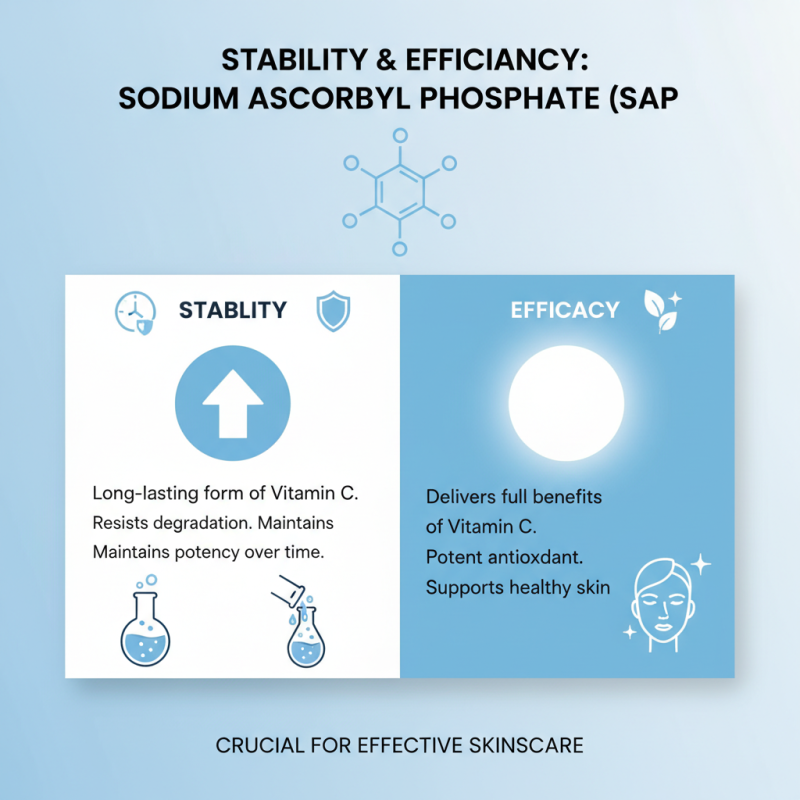
Sodium Ascorbyl Phosphate (SAP) is a stable form of Vitamin C. Its stability in skincare products is impressive. While common forms of Vitamin C can degrade quickly, SAP maintains its potency for longer periods. This stability is crucial for effective formulations.
The efficacy of Sodium Ascorbyl Phosphate is noteworthy. It acts as an antioxidant, helping to combat free radicals. This action can protect the skin from environmental stressors. Many studies suggest that it may boost collagen synthesis. Improved collagen levels lead to firmer, more youthful skin.
However, some may question its effectiveness compared to other Vitamin C derivatives. Individual skin reactions can vary significantly. It’s essential to patch-test any new product. Refining the skincare regimen can take time, and results vary. Embracing this process with patience can lead to positive outcomes.
Application Methods for Optimal Results with Sodium Ascorbyl Phosphate
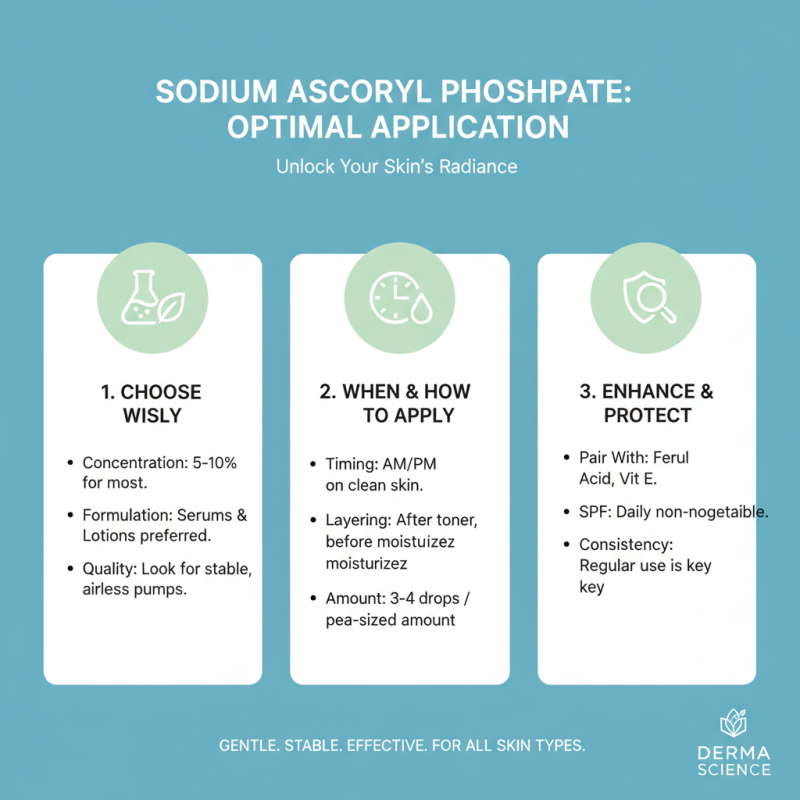
Sodium Ascorbyl Phosphate (SAP) is known for its stability and efficacy in skincare. It's a gentle form of Vitamin C, making it suitable for various skin types. To achieve optimal results, it's essential to choose the right application methods.
One effective way to use SAP is by mixing it with serums or creams. This mix can boost your skin's brightness and improve texture. Apply it after cleansing your face for the best absorption. A small amount goes a long way, reducing the risk of overapplication. Keep in mind that results take time. You might not see immediate change; patience is key.
Using SAP in combination with other ingredients can enhance its benefits. However, be cautious about mixing it with ingredients that may cause irritation, like strong acids. Test the product on a small area before full application. Always listen to your skin’s response and adjust your routine accordingly.
Potential Side Effects and Considerations When Using Sodium Ascorbyl Phosphate
Sodium ascorbyl phosphate (SAP) is a water-soluble derivative of vitamin C. While it offers impressive benefits, potential side effects should be acknowledged. Many users report mild irritation upon first use. This may include redness or a slight burning sensation. These reactions vary by skin type, emphasizing the need for a patch test.
Some individuals experience breakouts, especially those with sensitive or acne-prone skin. Because SAP can increase cell turnover, some may find their skin reacts negatively. It's crucial to monitor skin condition after incorporating this ingredient into your routine. Adjustments might be necessary, including reducing application frequency or combining it with hydrating agents.
Furthermore, improper storage can diminish its effectiveness. Light exposure and heat can lead to degradation. Users should store SAP in a cool, dark place to maintain its potency. Ultimately, while Sodium ascorbyl phosphate can enhance your skincare routine, it’s important to remain vigilant about your skin's response.
Why Choose Sodium Ascorbyl Phosphate Powder for Your Skincare? - Potential Side Effects and Considerations When Using Sodium Ascorbyl Phosphate
| Aspect |
Details |
| What is Sodium Ascorbyl Phosphate? |
A stable form of vitamin C used in skincare products. |
| Benefits |
Brightens skin tone, reduces signs of aging, and promotes collagen synthesis. |
| Skin Types |
Suitable for all skin types, including sensitive skin. |
| Usage Recommendations |
Use in concentrations of 1% to 5% in formulations for effectiveness. |
| Potential Side Effects |
Mild irritation or redness in some individuals; patch test recommended. |
| Storage Recommendations |
Store in a cool, dark place to maintain stability. |
| Additional Notes |
Can be combined with other active ingredients like hyaluronic acid. |

 Food Additives