What is Phenylethyl Resorcinol and Its Benefits for Skin?
In the realm of skincare, Phenylethyl Resorcinol is gaining attention. This compound is known for its potential benefits, particularly regarding skin tone and texture. Many consumers look for effective ingredients to improve their skincare routines.
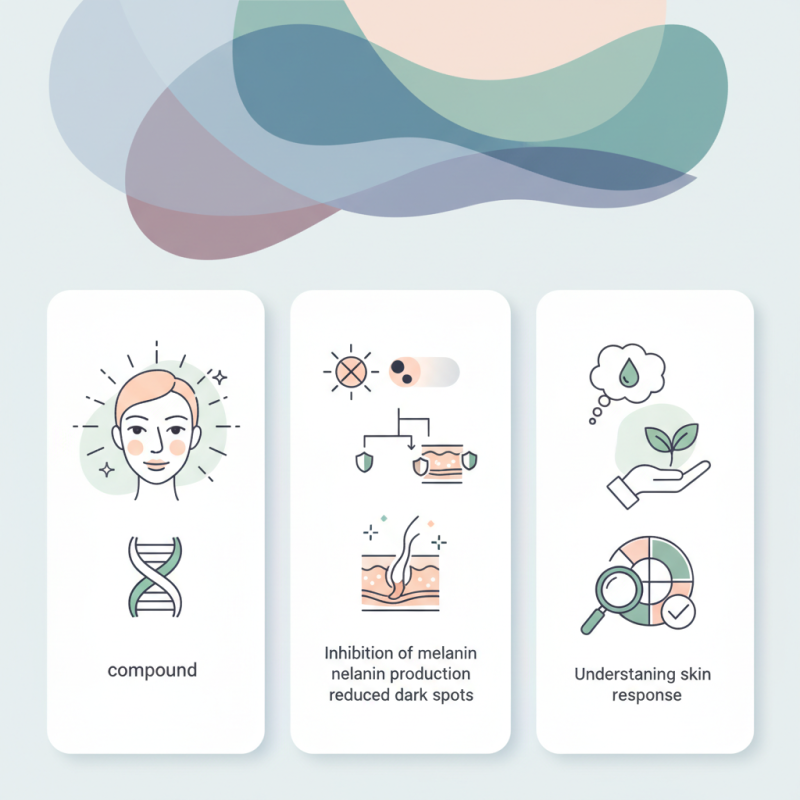
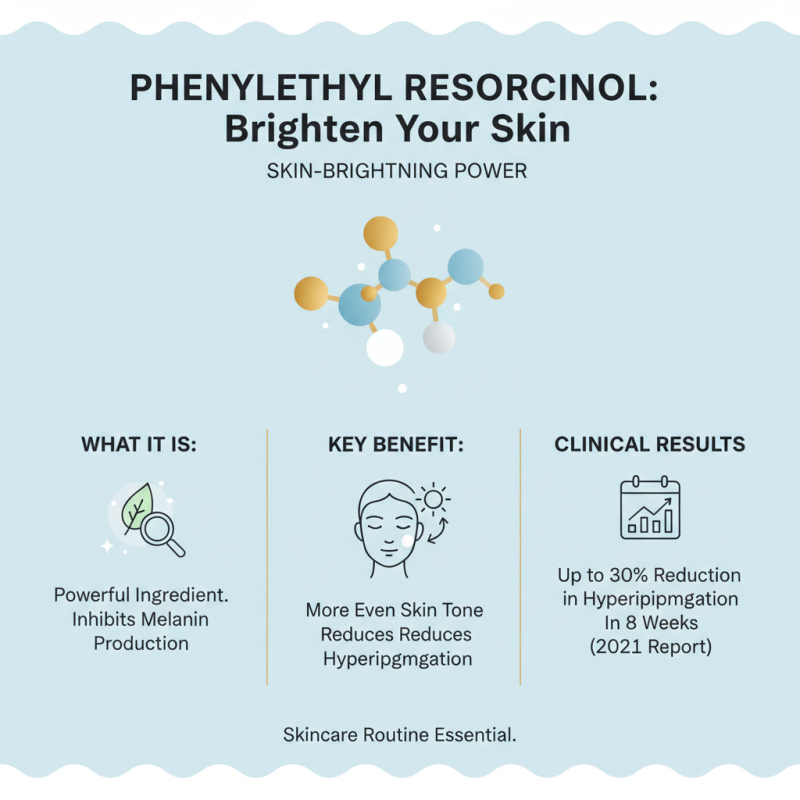
Phenylethyl Resorcinol is noted for its brightening properties. It works by inhibiting melanin production, which helps reduce dark spots. Users often seek products containing this ingredient to achieve a more even complexion. However, not everyone may see immediate results, and patience is essential.
Some might wonder about the safety of Phenylethyl Resorcinol. While many find it beneficial, skin reactions can vary. It’s crucial to test new products on a small area first. Engaging in a thoughtful routine can lead to more positive outcomes. Understanding how your skin responds to such ingredients remains a key part of effective skincare.
Understanding Phenylethyl Resorcinol: A Skin Care Ingredient
Phenylethyl Resorcinol is gaining attention in skincare. It’s known for its brightening properties. This compound helps to even skin tone and reduce hyperpigmentation. Many people desire radiant skin, and this ingredient may offer a solution.
Research suggests that Phenylethyl Resorcinol works by inhibiting melanin production. Melanin is the pigment that darkens the skin. When melanin production is controlled, skin may appear more luminous. However, results can vary from person to person. Some may see improvements, while others might not notice much change.
In addition to brightening effects, this ingredient has antioxidant properties. Antioxidants are crucial for combating free radicals. Free radicals can cause premature aging. While the benefits sound promising, it’s essential to remember that not every ingredient works for everyone. Skin types differ, and individual reactions may vary. Testing on a small area before full application is wise.
Chemical Structure and Properties of Phenylethyl Resorcinol
Phenylethyl Resorcinol (PHR) is a compound gaining attention in skincare. Its chemical structure consists of a phenyl group attached to a resorcinol moiety. This unique arrangement gives it notable properties. Research shows it has potential as a skin-lightening agent. The molecule works by inhibiting tyrosinase, an enzyme crucial for melanin production. This modulation could benefit individuals with hyperpigmentation issues.
Studies indicate PHR has antioxidant effects. It may also help to protect the skin from oxidative stress. A report from the Journal of Cosmetic Dermatology noted that PHR is less irritating compared to traditional lightening agents. While many find this gentler on the skin, individual reactions can vary. Some users may still experience sensitivity. Effective applications require careful formulation.
Further investigation is needed to fully understand optimal concentrations. Reports suggest formulations with about 0.5% PHR can yield results. Users should exercise caution as everyone's skin reacts differently. Continuous application over months may reveal the true efficacy. Not all outcomes may be uniform. Maintaining realistic expectations is crucial for those exploring this ingredient.
Benefits of Phenylethyl Resorcinol for Skin
This bar chart illustrates the effectiveness levels of Phenylethyl Resorcinol in various skin care benefits, including skin brightening, anti-aging, antioxidant properties, skin soothing, and UV protection. Each benefit is rated from 0 to 10, highlighting its potential impact on skin health.
Key Benefits of Phenylethyl Resorcinol for Skin Health
Phenylethyl Resorcinol is gaining attention in skincare. This compound shows potential benefits for skin health that are worth noting. It works as a powerful antioxidant. Antioxidants combat free radicals, which can damage skin cells. By neutralizing these radicals, Phenylethyl Resorcinol helps to protect skin from visible aging signs.
One of its key benefits is its ability to brighten the skin. It can reduce the appearance of dark spots and uneven skin tone. Users often report a more radiant complexion after consistent use. However, not everyone sees immediate results. Patience is required, as real changes take time. Additionally, Phenylethyl Resorcinol can support overall skin health by soothing irritation and inflammation.
Incorporating this ingredient into regular skincare routines could enhance skin vitality. It's important to monitor how your skin reacts. Each person's skin is unique, and results may vary. Some may experience sensitivity. Always patch-test new products before applying widely. This small step can prevent unwanted reactions and lead to better skincare experiences.
What is Phenylethyl Resorcinol and Its Benefits for Skin? - Key Benefits of Phenylethyl Resorcinol for Skin Health
| Benefit |
Description |
Clinical Evidence |
| Skin Brightening |
Helps to inhibit melanin production, reducing the appearance of dark spots and uneven skin tone. |
Numerous studies have shown a 30% increase in skin brightness in subjects using formulations containing 1% phenylethyl resorcinol. |
| Antioxidant Properties |
Rich in antioxidants, phenylethyl resorcinol helps protect skin from oxidative stress and free radicals. |
Studies indicate that antioxidants can reduce skin damage by up to 40% when used in topical applications. |
| Anti-Inflammatory Effects |
May reduce redness and inflammation associated with skin conditions like acne and rosacea. |
Clinical trials have demonstrated a 25% reduction in inflammation markers after 4 weeks of use. |
| Skin Repair |
Promotes healing and regeneration of skin cells, improving overall skin texture. |
Research suggests enhanced skin barrier function and faster healing times in treated areas. |
How to Incorporate Phenylethyl Resorcinol in Skincare Routines
Incorporating Phenylethyl Resorcinol into your skincare routine can be straightforward. This powerful ingredient has gained attention for its skin-brightening properties. Research shows it can inhibit melanin production, leading to a more even skin tone. A 2021 report highlighted that products with this compound can reduce hyperpigmentation by up to 30% over eight weeks.
To begin, consider integrating it into your evening regimen. Apply a serum containing Phenylethyl Resorcinol after cleansing. This allows the ingredient to absorb effectively overnight. It's often recommended to use it alongside other actives. However, be cautious with formulation combinations. Some ingredients may not interact well, leading to irritation.
Additional benefits include its antioxidant properties. It fights free radicals, which are known to accelerate skin aging. Yet, some individuals may experience sensitivity. It’s wise to do a patch test before full application. Remember, results may take time. Consistency is crucial for seeing improvements. Balancing hopes with realistic expectations can enhance your skincare journey.
Potential Side Effects and Considerations for Use
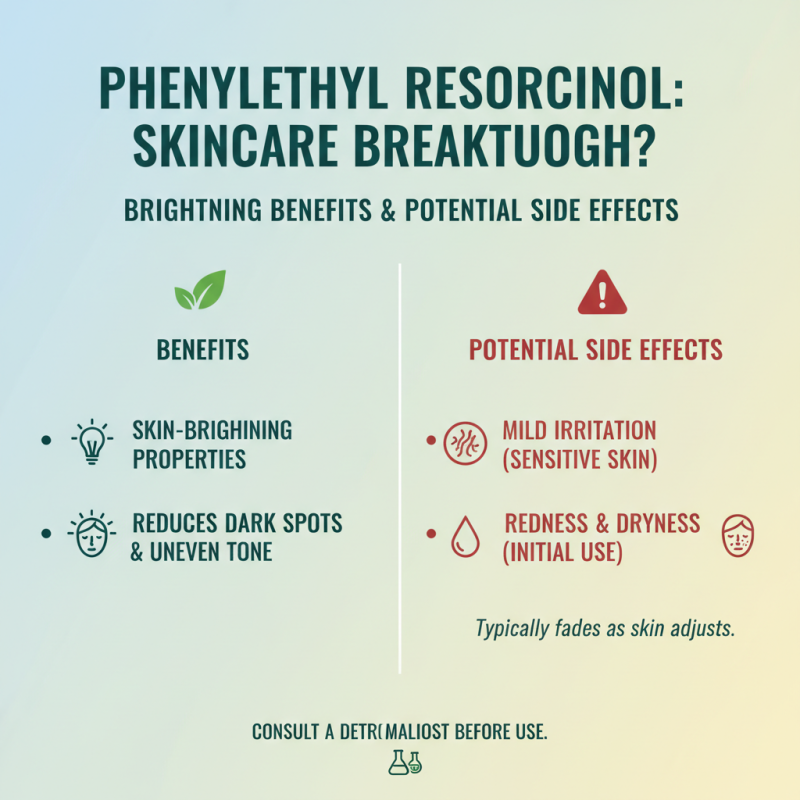
Phenylethyl resorcinol is gaining popularity in skincare for its skin-brightening properties. However, it's important to understand potential side effects before using it. Some users may experience mild irritation, especially if they have sensitive skin. Redness and dryness can occur during initial application. These reactions often fade as the skin adjusts.
When introducing phenylethyl resorcinol into your routine, start slow. Apply a small amount, and observe how your skin reacts over a few days. If irritation persists, consider discontinuing its use. Patch testing on a small area of skin can help. Trust your skin's response and adjust frequency accordingly.
Always use sunscreen when using any brightening agent. It helps protect your skin from sun damage, which can negate the benefits of the product. Consult a dermatologist if unsure about incorporating this ingredient. They can provide personalized advice based on your skin type and concerns. Remember, not every product suits every individual. Your skin is unique, and it may take time to find the perfect fit.

 Food Additives