What is Phenylethyl Resorcinol Benefits and Uses?
Phenylethyl Resorcinol is emerging as a key ingredient in skincare formulations. It has garnered attention for its potential benefits. Recent market research indicates a growing consumer demand for products containing this compound. In fact, the global market for skin lightening agents is projected to reach $8.9 billion by 2025, reflecting a surge in interest in effective and safe skin solutions.
This powerful compound is recognized for its ability to inhibit melanin production. Studies suggest that it can effectively brighten skin tone and reduce hyperpigmentation. As awareness about harmful effects of certain chemicals increases, Phenylethyl Resorcinol offers a more reliable option for consumers. It is derived from natural sources, aligning with the industry's shift towards clean beauty.
Still, not all formulations deliver the same efficacy. Quality of product varies widely. Consumers should research brands and formulations. Understanding the specific benefits, and limitations is crucial for making informed choices. As research continues, the full potential of Phenylethyl Resorcinol is yet to be uncovered. It's a promising ingredient worthy of attention in the world of skincare.
What is Phenylethyl Resorcinol?
Phenylethyl resorcinol is an intriguing compound in skincare. It is a derivative of resorcinol and is gaining attention for its potential benefits. This ingredient acts primarily as a skin-whitening agent. It helps reduce the production of melanin, the pigment responsible for dark spots and hyperpigmentation. Consequently, many individuals seeking an even skin tone are turning to this compound.
In addition to its skin-lightening properties, phenylethyl resorcinol also has antioxidant capabilities. Antioxidants are vital for protecting skin from environmental damage. They neutralize free radicals, which can accelerate aging. Some research indicates that this ingredient may also soothe irritated skin. This multi-faceted approach makes it a valuable addition to skincare formulations.
Despite its benefits, there are areas for further exploration. Not everyone's skin reacts the same way. Patch testing is always recommended before introducing new products. While many users experience positive effects, others might encounter irritation. Understanding individual skin responses is key to safe usage. Balancing its advantages with personal skin health is essential for optimal results.
Benefits of Phenylethyl Resorcinol
Chemical Structure and Properties of Phenylethyl Resorcinol
Phenylethyl resorcinol, a compound derived from resorcinol, has gained attention for its potential benefits in skincare. This organic molecule features a structure that combines a phenyl group and a resorcinol moiety. Its chemical structure contributes to its properties, making it effective in various formulations.
This compound primarily exhibits antioxidant and anti-inflammatory properties. These characteristics can help protect the skin from damage caused by free radicals. Additionally, phenylethyl resorcinol shows promise in skin brightening. It may reduce hyperpigmentation and even skin tone, appealing to those seeking a radiant appearance.
Tips: Consider patch-testing products containing this ingredient first. Some individuals may experience mild irritation. When using phenylethyl resorcinol, apply sunscreen during the day. This will help safeguard your skin from UV damage, which can worsen pigmentation issues.
However, it is essential to acknowledge that individual results can vary. While many users report positive effects, others may not experience notable changes. Consulting a dermatologist is advisable for personalized advice. Understanding your skin type can aid in selecting the right formulations.
Benefits of Phenylethyl Resorcinol for Skin Health
Phenylethyl resorcinol has gained popularity for its notable benefits to skin health. This compound exhibits powerful antioxidant properties, helping to combat oxidative stress linked to premature aging. According to a 2020 study published in the "Journal of Cosmetic Dermatology", phenylethyl resorcinol significantly reduces melanin production, leading to a brighter and more even skin tone.
Additionally, this ingredient aids in enhancing the skin’s barrier function. Research suggests that phenylethyl resorcinol enhances hydration levels, which is crucial for maintaining skin elasticity. A report by the International Journal of Cosmetic Science in 2021 indicated that products containing phenylethyl resorcinol showed improved skin texture in participants after consistent use over eight weeks. However, while many have reported positive outcomes, individual results can vary based on skin type and sensitivity.
Incorporating phenylethyl resorcinol into skincare routines may offer promising benefits, but it’s essential to approach its use thoughtfully. Some users may experience mild irritation, making patch testing advisable. Balancing skincare needs with potential sensitivities is crucial for the best results.
Common Uses of Phenylethyl Resorcinol in Cosmetics
Phenylethyl resorcinol is gaining attention in the cosmetic industry. This powerful compound is praised for its skin-brightening properties. It acts as a potent antioxidant, helping to combat free radicals. Many consumers seek out products that include this ingredient for its ability to promote a more even skin tone.
In cosmetics, phenylethyl resorcinol is often utilized in serums and creams. It can reduce the appearance of dark spots and hyperpigmentation. Users appreciate its gentle nature, allowing for compatibility with various skin types. However, not all users may experience the same results. Some may need to use products consistently over time to see noticeable changes.
The growing interest in natural skincare has led to more formulations featuring phenylethyl resorcinol. As awareness increases, consumers are encouraged to research its effects thoroughly. Understanding how this ingredient interacts with other compounds is crucial. While many enjoy its benefits, proper patch testing remains essential to prevent potential irritation. This ingredient holds promise, but individual results can vary.
What is Phenylethyl Resorcinol Benefits and Uses? - Common Uses of Phenylethyl Resorcinol in Cosmetics
| Benefit/Use |
Description |
| Skin Brightening |
Helps to even out skin tone and enhance brightness. |
| Anti-aging |
Reduces the appearance of fine lines and wrinkles. |
| Antioxidant Properties |
Protects skin from oxidative stress and free radical damage. |
| Anti-inflammatory |
Soothes irritated skin and reduces redness. |
| Skin Tone Improvement |
Helps to diminish dark spots and hyperpigmentation. |
| Moisture Retention |
Aids in keeping the skin hydrated and plump. |
| Compatibility with Other Ingredients |
Works well with various other active ingredients in formulations. |
Safety and Side Effects of Phenylethyl Resorcinol Usage
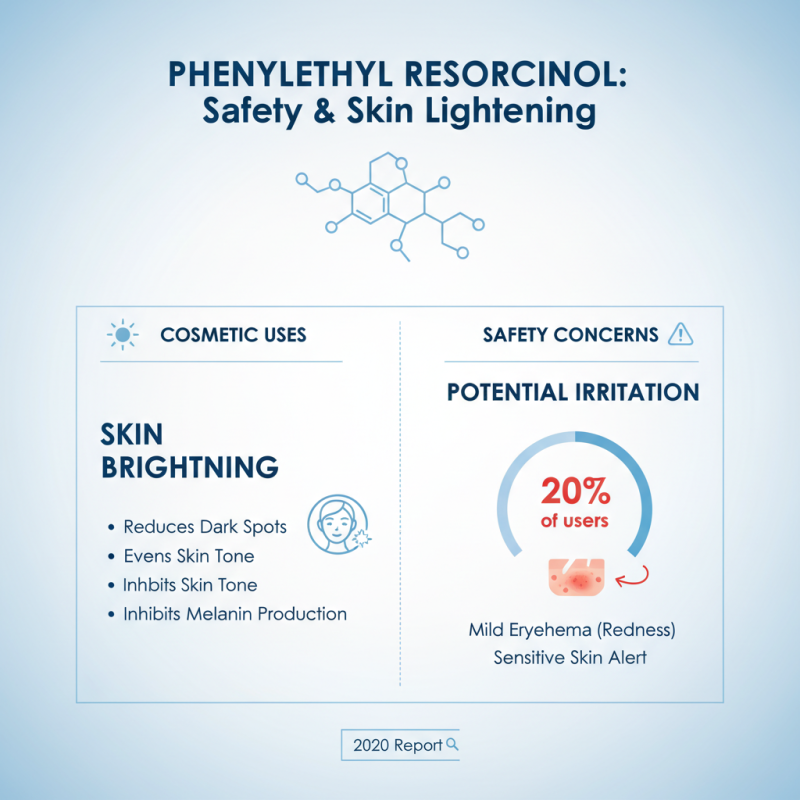
Phenylethyl resorcinol (PER) is gaining attention for its cosmetic uses, particularly in skin lightening products. It can inhibit melanin production, making it useful for tackling hyperpigmentation. However, safety is a significant concern. Studies have shown that skin irritation can occur, especially in sensitive individuals. A 2020 report indicated that approximately 20% of users experienced mild erythema after application.
Long-term effects of PER usage remain unclear. While many deem it effective, the cosmetic industry still debates its safety. Some dermatologists recommend patch testing before use. Additionally, ongoing research is essential to understand its full spectrum of effects. Users should be cautious, particularly those with pre-existing skin conditions.
Tips: Always consult with a dermatologist before adding new products to your skincare routine. Monitor your skin’s reaction closely. If irritation occurs, discontinue use immediately. Remember, everyone's skin is unique.

 Food Additives