Why Phenylethyl Resorcinol is Crucial for Your Skin Care Routine
In the dynamic world of skin care, staying informed about the latest advancements is vital for achieving luminous and healthy skin. Phenylethyl Resorcinol, a potent ingredient gaining traction in dermatological circles, is at the forefront of this revolution. Dr. Sarah Johnson, a renowned dermatologist and expert in skin aging, emphasizes its significance: “Phenylethyl Resorcinol not only brightens the skin but also provides essential antioxidant protection, making it a crucial addition to any skin care regimen.”
This versatile compound, derived from natural sources, boasts remarkable properties that address multiple skin concerns, such as hyperpigmentation and uneven skin tone. As research continues to unveil its multifaceted benefits, more individuals are incorporating Phenylethyl Resorcinol into their daily skin care routines, seeking the radiant and youthful appearance it promises.
Understanding the science behind Phenylethyl Resorcinol and its mechanisms can empower consumers to make informed choices, ensuring that they harness the full power of this ingredient for effective skin rejuvenation. In the following sections, we will delve deeper into the advantages of Phenylethyl Resorcinol and why it deserves a prominent place in your skin care arsenal.
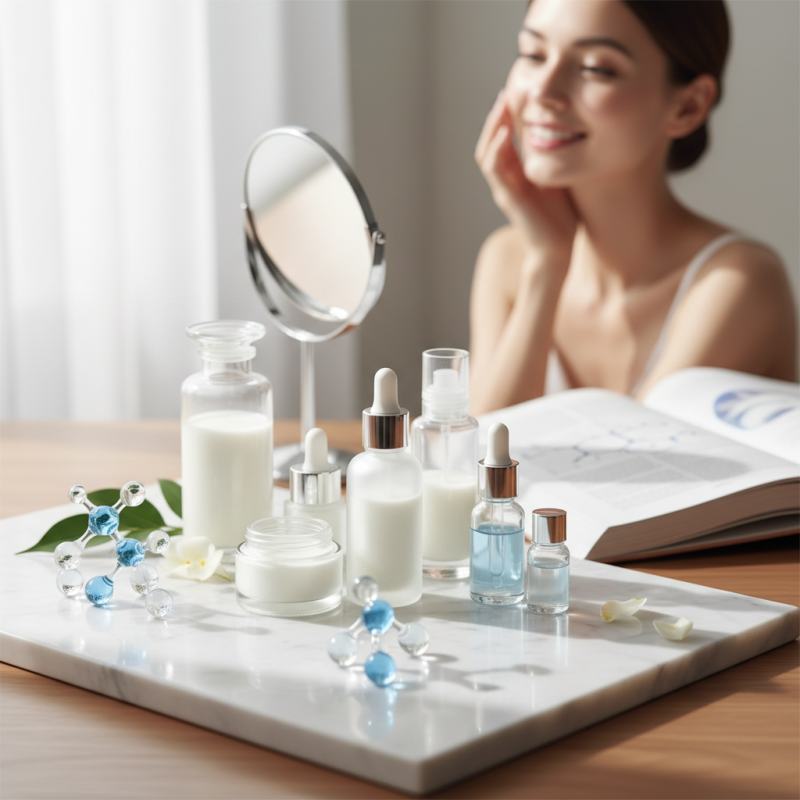
Understanding Phenylethyl Resorcinol and Its Benefits for Skin
Phenylethyl Resorcinol is emerging as an essential ingredient in modern skincare routines, thanks to its remarkable properties that cater to various skin concerns. This powerful compound acts as a potent antioxidant and skin brightener, helping to reduce the appearance of dark spots and hyperpigmentation. By inhibiting the enzyme responsible for melanin production, it allows for a more even skin tone while also protecting the skin from environmental stressors. As a result, incorporating Phenylethyl Resorcinol into your regimen can lead to a more luminous and youthful complexion.
In addition to its brightening capabilities, Phenylethyl Resorcinol is known for its anti-inflammatory properties, making it suited for those with sensitive or acne-prone skin. It helps to calm irritation while providing hydration, which is crucial for maintaining skin health. For optimal results, consider using products that contain this ingredient in conjunction with a gentle exfoliant to enhance cellular turnover.
Tips: When integrating Phenylethyl Resorcinol into your routine, start by patch-testing the product on a small area of skin to ensure you don't experience any adverse reactions. Also, applying sunscreen during the day is essential, as ingredients that enhance skin brightness can sometimes make your skin more susceptible to sun damage. Lastly, pair it with other supportive ingredients such as hyaluronic acid for added hydration and nourishment.
Why Phenylethyl Resorcinol is Crucial for Your Skin Care Routine
| Benefit |
Description |
Recommended Usage |
| Skin Brightening |
Helps reduce dark spots and uneven skin tone. |
Use in serums or creams twice daily for maximum effect. |
| Anti-aging |
Minimizes the appearance of fine lines and wrinkles. |
Incorporate into your night cream for overnight benefits. |
| Antioxidant Properties |
Neutralizes free radicals that damage skin cells. |
Add to morning moisturizer for daily protection. |
| Hydration |
Increases skin moisture levels, promoting a healthy glow. |
Use in hydrating gels or lotions as needed. |
| Skin Soothing |
Calms irritated skin and reduces redness. |
Apply to affected areas as a targeted treatment. |
The Scientific Basis of Skin Care: How Phenylethyl Resorcinol Works
Phenylethyl Resorcinol has garnered attention in the world of skin care due to its proven effectiveness and scientific backing. This potent compound is primarily known for its skin-lightening properties. It works by inhibiting the enzyme tyrosinase, which plays a key role in melanin production. By reducing melanin synthesis, Phenylethyl Resorcinol helps decrease pigmentation issues such as dark spots, melasma, and uneven skin tone, offering a clear and radiant complexion.
For those seeking to incorporate Phenylethyl Resorcinol into their skin care routine, it's essential to use it alongside complementary ingredients for optimal results. Combining it with antioxidants like Vitamin C can enhance its effectiveness, providing additional protection against oxidative stress. Additionally, using a broad-spectrum sunscreen daily will safeguard the skin from UV-induced damage, which can lead to further pigmentation issues.
Tip: When introducing any new active ingredient like Phenylethyl Resorcinol, start with a patch test to gauge your skin's reaction. Apply a small amount to a discreet area and wait 24 hours to see if any irritation occurs. This simple step can help you avoid potential adverse reactions. Also, remember to stay consistent with your application for the best results, as it may take several weeks to notice significant changes in your skin's appearance.
Effects of Phenylethyl Resorcinol Concentrations on Skin Brightening
This chart illustrates the relationship between different concentrations of Phenylethyl Resorcinol and their efficacy in skin brightening. As the concentration increases, a significant improvement in skin brightness is observed, highlighting the importance of this ingredient in skin care formulations.
Comparing Phenylethyl Resorcinol with Other Skin Care Ingredients
Phenylethyl Resorcinol has gained significant attention in the realm of skin care due to its potent properties, especially when compared to other commonly used ingredients. Unlike hydroquinone, which may cause irritation or sensitivity in some users, Phenylethyl Resorcinol offers a gentler approach to brightening the skin and reducing the appearance of dark spots. Its ability to inhibit melanin production makes it effective for addressing uneven skin tone without the harsh side effects associated with more aggressive agents.
When juxtaposed with antioxidants such as Vitamin C, Phenylethyl Resorcinol stands out not only for its skin-brightening capabilities but also for its anti-aging benefits. While Vitamin C is well-known for protecting the skin from environmental stressors, Phenylethyl Resorcinol also aids in regulating skin inflammation, making it an excellent all-around ingredient. Both ingredients can work synergistically to enhance skin radiance and overall condition.
Tips: To maximize the benefits of Phenylethyl Resorcinol in your skin care routine, consider layering it with your favorite serums or moisturizers. Always follow up with sunscreen during the day to protect your skin from UV damage. Additionally, introducing this ingredient gradually can help your skin adapt, minimizing any potential for irritation while you achieve a brighter complexion.
Incorporating Phenylethyl Resorcinol into Your Daily Skin Care Routine
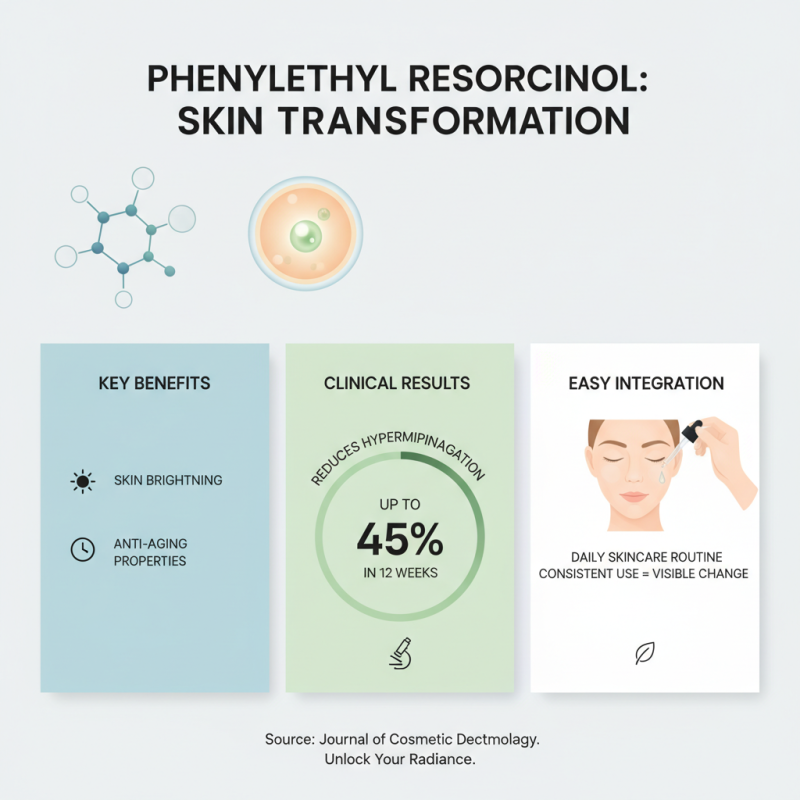
Incorporating Phenylethyl Resorcinol into your daily skin care routine can significantly enhance the overall health and appearance of your skin. This ingredient is gaining recognition in the dermatological field for its powerful skin-brightening and anti-aging properties. According to a report published by the Journal of Cosmetic Dermatology, Phenylethyl Resorcinol has been shown to reduce hyperpigmentation by up to 45% over a 12-week period when used consistently, making it a valuable addition for anyone struggling with uneven skin tone.
Moreover, Phenylethyl Resorcinol is also prized for its antioxidant capabilities. Research from Clinical, Cosmetic and Investigational Dermatology highlights its ability to combat oxidative stress, which is a contributing factor to premature skin aging. By neutralizing free radicals, this ingredient not only helps in maintaining skin elasticity but also promotes a luminous complexion. For optimal results, it’s advisable to incorporate this compound into serums or creams, applying them twice daily to maximize its efficacy against pigmentation and signs of aging. Being a versatile and effective active, Phenylethyl Resorcinol firmly establishes itself as a staple in a modern skin care regimen.
Potential Side Effects and Precautions of Using Phenylethyl Resorcinol
While Phenylethyl Resorcinol is celebrated for its
skin-brightening properties and potential
antioxidant benefits, it is essential to be aware of its potential side effects and precautions when
incorporating it into your skincare routine. Some users may experience mild skin irritation, redness,
or an allergic reaction, particularly those with sensitive skin.
It's advisable to conduct a patch test before applying
the product to larger areas, ensuring that your skin responds well without adverse effects.
Moreover, individuals with specific skin conditions, such as eczema
or rosacea, should consult a dermatologist prior to use. It is
also crucial to avoid combining Phenylethyl Resorcinol with other potent active ingredients, such as
retinoids or strong acids,
as this may lead to increased sensitivity or irritation. Always follow the recommended usage guidelines
and pay close attention to how your skin reacts, adjusting usage as needed. By taking these precautions,
you can harness the benefits of Phenylethyl Resorcinol while minimizing potential risks.

 Food Additives