Why Grape Skin Extract Resveratrol Benefits Your Health?
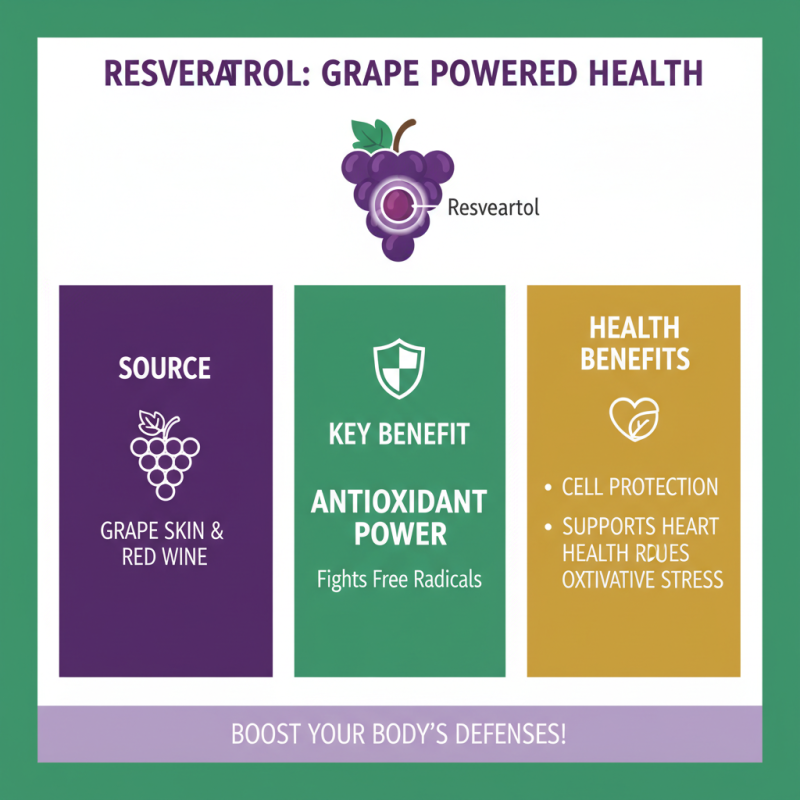
Grape Skin Extract Resveratrol is a powerful natural compound. Found in red wine, it comes from grape skins. This extract has gained attention for its impressive health benefits. Research shows it may support heart health and reduce inflammation. Its antioxidant properties help combat oxidative stress.
Many people seek natural ways to improve their well-being. Grape Skin Extract Resveratrol might be an ideal choice. It is important to understand how it works. Studies suggest it can positively impact aging. However, not everyone experiences the same results. Individual responses can vary widely.
Despite its benefits, users must approach with caution. Quality of the supplement matters greatly. Some products may not contain effective amounts. Awareness of potential side effects is essential. As with any health product, informed choices are vital. Embracing Grape Skin Extract Resveratrol can lead to meaningful health improvements, but reflection is necessary.

Overview of Resveratrol and Grape Skin Extract
Resveratrol is a natural compound found in grape skin. It’s widely studied for its health benefits. This antioxidant is known for combating oxidative stress in the body. It may help reduce inflammation and support heart health. Many people enjoy wine for its resveratrol content. However, grape skin extract offers a more concentrated form.
Grape skin extract is packed with polyphenols. These compounds promote better blood circulation and lower cholesterol levels. Research also suggests it may enhance brain function. Some people experience improved mood and energy levels.
**Tips:** Consider adding grape skin extract to smoothies or yogurt for a health boost. Start with small amounts to gauge your body’s response. Always stay informed about your choices. Balance is important, and moderation is key.
Health Benefits of Resveratrol from Grape Skin Extract
Health Benefits of Resveratrol in the Body
Resveratrol, found in grape skin, offers remarkable health benefits. This natural compound is known for its antioxidant properties. Antioxidants fight free radicals, which damage cells. By consuming resveratrol, you can support your body's defenses against oxidative stress.
Research suggests that resveratrol may enhance heart health. It can improve blood flow and lower blood pressure. This might reduce the risk of heart disease. Regular intake could also boost brain function. Resveratrol’s anti-inflammatory effects may protect against neurodegenerative diseases.
Tip: Consider adding red grapes to your diet. They are a delicious source of resveratrol. You might also explore supplement options, but check with a healthcare provider.
While resveratrol is beneficial, not everyone reacts the same way. Some individuals might have sensitivities. Always listen to your body and adjust your intake accordingly. Balance is key when exploring new health supplements.
Mechanisms of Action: How Resveratrol Affects Health
Resveratrol, a powerful compound found in grape skin extract, has drawn significant attention for its health benefits. Research indicates that resveratrol activates the SIRT1 gene, which plays a critical role in cellular aging. According to a study published in the journal “Nature”, resveratrol can boost longevity by mimicking caloric restriction, enhancing metabolic activity.
This compound also exhibits anti-inflammatory properties. A report from the Journal of Nutritional Biochemistry highlights that resveratrol may reduce inflammation markers, contributing to heart health. Regular consumption could potentially lower the risk of cardiovascular diseases. However, optimal dosages remain uncertain, creating a need for further studies to clarify this aspect.
Additionally, resveratrol’s antioxidant effects help combat oxidative stress. A recent meta-analysis found that it significantly reduces oxidative damage. Still, its bioavailability is a concern, as the body may not efficiently absorb it. As researchers become more aware of these nuances, they emphasize the importance of understanding how resveratrol can fit into a balanced diet for maximum benefits.
Sources of Resveratrol and Recommended Consumption
Resveratrol is a natural compound found in grape skins. It has gained attention for its potential health benefits. Sources of resveratrol include red wine, grapes, and certain berries. These foods can easily fit into a balanced diet.
When considering how to consume resveratrol, moderation is key. A glass of red wine can provide resveratrol, but overindulgence can lead to health issues. Alternatively, fresh grapes are a great snack and offer additional vitamins. Berries, especially blueberries, also contain resveratrol, plus they are rich in antioxidants.
Tips: Aim for whole foods to maximize health benefits. Try adding grapes to salads for a sweet twist. Be mindful of portion sizes to avoid overconsumption of sugar, even from healthy snacks. It’s easy to forget that balance matters, even with nutritious foods.
Why Grape Skin Extract Resveratrol Benefits Your Health?
| Source of Resveratrol |
Resveratrol Content (mg per 100g) |
Health Benefits |
Recommended Daily Intake (mg) |
| Red Grapes |
0.2 - 1.0 |
Antioxidant, Cardiovascular health |
100-200 |
| Red Wine |
0.3 - 3.5 |
Anti-aging, Anti-inflammatory |
50-150 |
| Peanuts |
0.3 - 0.6 |
Lowers cholesterol, Cancer prevention |
50-100 |
| Dark Chocolate |
0.3 - 1.0 |
Mood enhancement, Cognitive function |
30-60 |
| Mulberries |
0.1 - 0.5 |
Boosts immunity, Blood sugar regulation |
50-100 |
Potential Risks and Considerations of Resveratrol Intake
Resveratrol is often praised for its health benefits, particularly from grape skin extracts. However, potential risks and considerations exist for those incorporating it into their diets. Research indicates that large doses can interact with certain medications. These interactions can affect blood clotting or hormone levels. A 2020 study published in the "Journal of Clinical Pharmacology" observed that high levels of resveratrol can alter the metabolism of some prescription drugs.
Some individuals may experience side effects like gastrointestinal issues. It's crucial to recognize that everyone's body responds differently. Not everyone may benefit equally. A report from the National Institutes of Health highlighted this variability. It showed that while some experienced improvements in conditions like heart health, others did not experience significant changes.
Moreover, the long-term safety of resveratrol supplementation remains uncertain. Studies often focus on short periods. The effects of chronic use are not well understood. People should weigh these considerations before deciding on supplementation. Listening to your body is essential. It’s important to consult healthcare professionals when considering resveratrol, especially if you have underlying health conditions.

 Food Additives