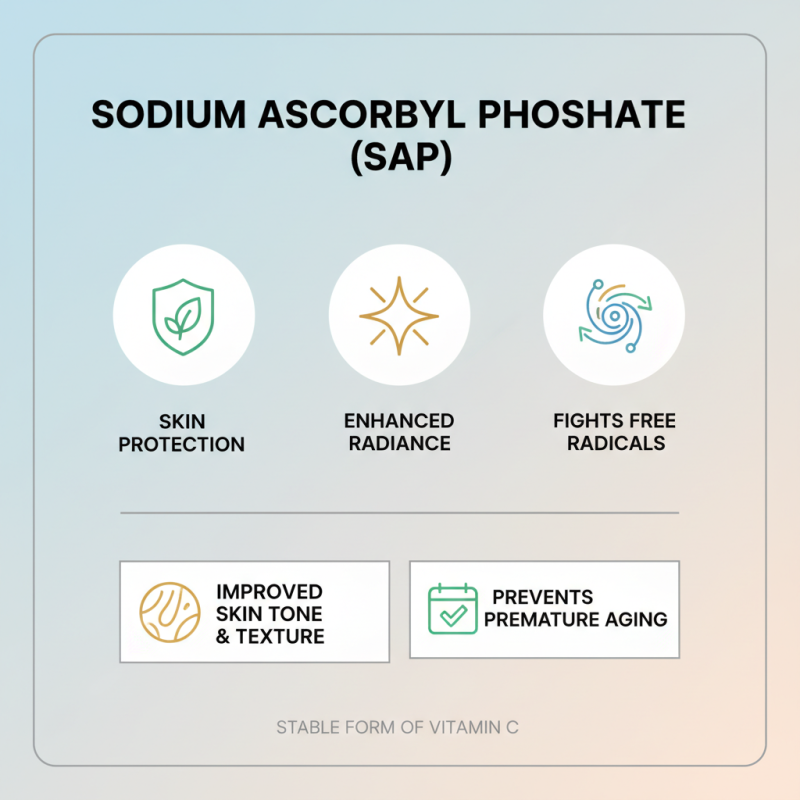
Top 10 Benefits of Sodium Ascorbyl Phosphate Powder?
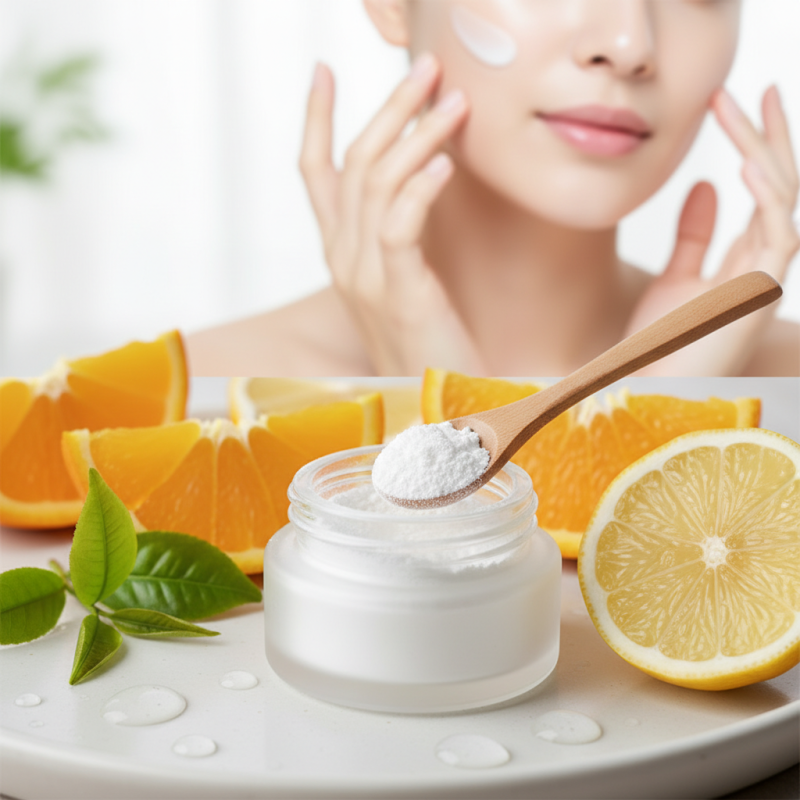
Sodium Ascorbyl Phosphate Powder is gaining attention in skincare. This powerful ingredient acts as a stable form of vitamin C. Many people seek its benefits for healthier skin.
This powder is known for brightening effects. It can aid in reducing dark spots and uneven skin tone. Users often notice improved skin texture over time. Some report fewer breakouts as well. However, results may vary from person to person.
Despite its benefits, it’s essential to approach with caution. Sensitive skin may react differently. Patch testing is recommended before widespread use. In the end, Sodium Ascorbyl Phosphate Powder offers promise but requires thoughtful consideration.
Introduction to Sodium Ascorbyl Phosphate Powder
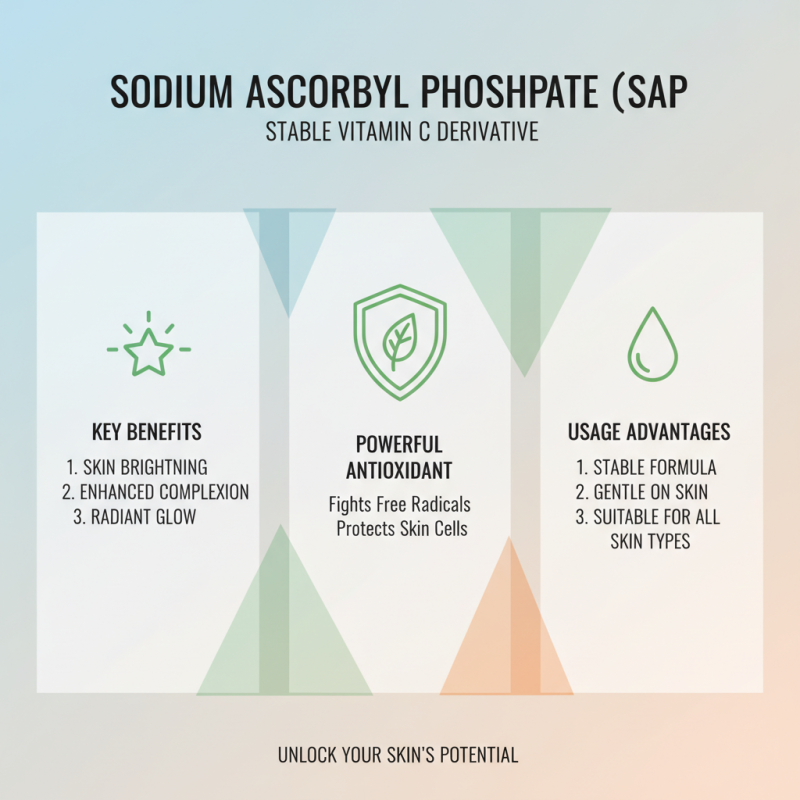
Sodium ascorbyl phosphate (SAP) powder is a derivative of vitamin C. It is known for its stability and ease of formulation. This makes it a popular ingredient in various skincare products. It penetrates the skin effectively, delivering powerful antioxidant benefits. Many look for this ingredient to brighten their complexion.
Using SAP can provide several skin benefits. It helps to reduce the appearance of dark spots and hyperpigmentation. The powder also promotes collagen production, improving skin elasticity. Users often appreciate the youthful glow it provides. However, some might experience irritation with high concentrations. It's essential to patch test before applying SAP.
While SAP is a promising ingredient, products containing it aren’t always perfect. The results can vary based on skin type and formulation. For those with sensitive skin, finding the right balance is key. Experience with this powder can be enlightening, revealing what your skin truly needs. Each journey with SAP can teach us about skin health and care.
Stability and Shelf Life Advantages
Sodium Ascorbyl Phosphate (SAP) is gaining attention in the skincare industry for its notable stability and shelf life benefits. Unlike traditional forms of vitamin C, SAP remains effective over an extended period. A report from the Journal of Cosmetic Dermatology indicates that SAP retains its potency for up to two years when stored properly. This is a significant advantage for both manufacturers and consumers. Products with longer shelf lives reduce waste and ensure users receive maximum effectiveness.
The stability of SAP is largely due to its phosphate ester form. This form protects it from oxidation, a common issue with other vitamin C derivatives. Research shows that formulations containing SAP can withstand temperature variations and exposure to light better than other vitamin C forms. For example, a study published in a leading skincare journal demonstrated that SAP formulations showed no loss in potency after six months of exposure to typical environmental conditions.
However, despite these benefits, some challenges remain. Not all formulations may use SAP effectively, leading to inconsistent results. It’s essential for formulators to continuously refine their methods. The effectiveness of SAP can depend on other ingredients in the formulation as well. Increasing understanding in this area will enhance product development. There’s a clear path ahead, as the potential of SAP continues to unfold.
Usage in Cosmetic Formulations
Sodium ascorbyl phosphate powder is an intriguing ingredient in cosmetic formulations. Widely recognized for its antioxidant properties, it is often used in serums, lotions, and creams. This water-soluble derivative of vitamin C offers stability and efficacy, making it a popular choice among formulators. It is less prone to oxidation than its traditional counterpart.
In skincare, sodium ascorbyl phosphate helps brighten the complexion. Users may notice a more radiant appearance. It also aids in collagen synthesis, which is crucial for youthful skin. This compound can help reduce the appearance of fine lines. However, not all users may see immediate results, leading to varied satisfaction levels.
Formulators appreciate its versatility. The powder can be easily incorporated into various products. It's compatible with other active ingredients, enhancing their benefits. Still, achieving the right concentration requires careful testing. Too much can lead to skin irritation, while too little may not provide the desired results. Balancing potency with skin sensitivity is essential for effective formulations.

 Food Additives