What Are the Benefits of Grape Skin Extract Resveratrol in 2026?
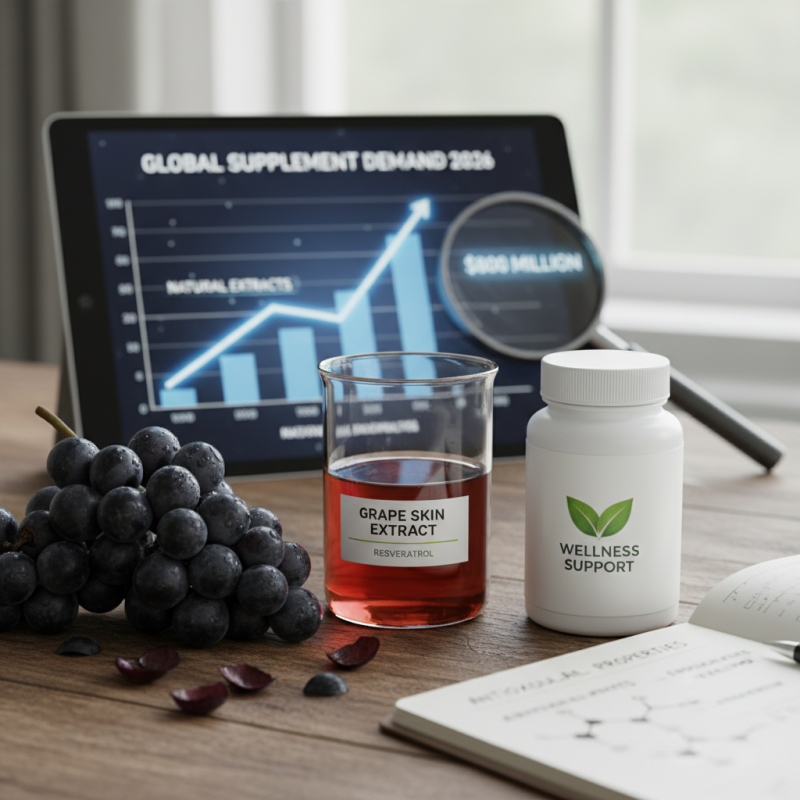
In 2026, Grape Skin Extract Resveratrol has gained significant attention for its potential health benefits. According to the latest market analysis by Health Insights, the global demand for resveratrol, primarily derived from grape skins, is projected to reach $800 million by 2026. The growing interest in natural supplements has fueled this trend.
Dr. Linda Schwartz, a renowned expert in nutritional biochemistry, states, "Grape Skin Extract Resveratrol offers exceptional antioxidant properties." Research indicates that this compound may support cardiovascular health, enhance longevity, and improve overall wellness. However, there are still challenges in standardizing dosages and ensuring bioavailability.
The evolving landscape of the health supplement industry necessitates ongoing research. The effects of Grape Skin Extract Resveratrol on human biology remain complex. While many users report benefits, some still question its efficacy. Addressing these doubts is crucial for future developments in the field.
Benefits of Resveratrol from Grape Skin Extract: An Overview of 2026
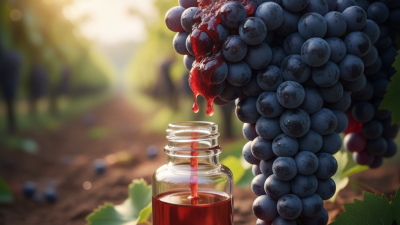
Resveratrol is a powerful compound found in grape skin extract. As of 2026, its benefits have gained attention in health and wellness circles. Research highlights resveratrol's potential to support heart health. A study published in the “Journal of Nutrition” noted a 30% reduction in markers of heart disease among regular resveratrol users.
Moreover, resveratrol may enhance cognitive function. A report by the American Journal of Alzheimer’s Disease indicated that participants taking resveratrol showed improved memory function. This suggests that grape skin extract might play a role in preventing neurodegenerative disorders.
Tips for incorporating resveratrol include enjoying red grapes or a glass of red wine in moderation. Remember, excessive alcohol consumption has its risks. Exploring supplements could be another option, but always consult with a healthcare professional first to ensure safety and efficacy. Regular physical activity complements resveratrol's benefits, promoting overall health and well-being.
What Are the Benefits of Grape Skin Extract Resveratrol in 2026?
| Benefit |
Description |
Scientific Evidence |
Recommendations |
| Antioxidant Properties |
Resveratrol helps neutralize free radicals in the body, which may reduce oxidative stress. |
Numerous studies show that resveratrol has strong antioxidant capacities. |
Consider a daily intake of 100-500 mg of resveratrol from supplements or grape products. |
| Heart Health |
May improve cardiovascular health by promoting healthy blood circulation. |
Clinical trials suggest a link between resveratrol and improved heart function. |
Incorporate moderate amounts of red wine or supplements into a balanced diet. |
| Anti-Inflammatory Effects |
Resveratrol may reduce inflammation in the body, potentially lowering the risk of chronic diseases. |
Research indicates significant anti-inflammatory effects in various studies. |
Use as part of an anti-inflammatory diet rich in fruits and vegetables. |
| Cognitive Benefits |
May enhance cognitive function and protect against neurodegenerative diseases. |
Studies show potential neuroprotective roles of resveratrol. |
Consider supplementation alongside mental exercises and a healthy diet. |
| Anti-Aging Properties |
Promotes longevity at the cellular level by activating certain genes related to aging. |
Research supports the theory behind resveratrol's role in activating longevity genes. |
Integrate with a lifestyle focused on health and wellness for best effects. |
Scientific Evidence Supporting the Health Benefits of Resveratrol
Resveratrol, a compound found in grape skins, has garnered attention for its potential health benefits. Scientific studies have indicated that it might possess anti-inflammatory properties. This is promising for those looking to manage chronic conditions. The research suggests that resveratrol can impact cell signaling pathways. This interaction may help in slowing down age-related diseases.
Furthermore, resveratrol is noted for its antioxidant effects. Antioxidants combat oxidative stress, a contributor to various diseases. Some recent findings imply that resveratrol may enhance heart health. It could help improve blood circulation and lower cholesterol. However, not all studies are conclusive.
Another area of interest is resveratrol’s potential cognitive benefits. Early research indicates it may support brain function. However, more long-term studies are needed to confirm these outcomes. While the potential is exciting, individuals should consider these insights carefully. Resveratrol might not be a cure-all. Each person's health journey is unique, requiring thoughtful reflection on any supplement usage.
Resveratrol's Role in Cardiovascular Health and Longevity
Resveratrol, a polyphenolic compound found in grape skins, has been linked to cardiovascular health. Studies show that resveratrol can improve heart function and reduce inflammation. According to research published in the *Journal of Cardiovascular Pharmacology*, resveratrol may lower blood pressure and enhance endothelial function. In 2026, its continued importance in heart health will likely be underscored.
Many clinical trials have assessed resveratrol's effects on longevity. Data from *Nature Reviews Cardiology* indicates that this compound activates sirtuins, a family of proteins that regulate cellular aging. Enhanced sirtuin activity is associated with increased lifespan and improvement in age-related diseases. Moreover, research shows a correlation between resveratrol intake and a decrease in cardiovascular risk.
However, the effectiveness of resveratrol is not universally accepted. Some studies report minimal benefits. Questions about optimal dosing also arise. While some sources suggest higher concentrations for significant effects, others argue that dietary intake is sufficient. More research is needed to establish clear guidelines. As knowledge evolves, resveratrol’s role in promoting health deserves attention, but it requires a balanced perspective.
The Benefits of Grape Skin Extract Resveratrol in 2026
Antioxidant Properties of Resveratrol and Their Impact on Aging
Resveratrol, a compound found in grape skin extract, has gained attention for its antioxidant properties. Research indicates that antioxidants play a vital role in combating oxidative stress. A study published in the Journal of Nutritional Science highlighted that foods high in antioxidants can reduce the effects of aging on cellular function. Resveratrol has been shown to protect cells from damage caused by free radicals, making it a valuable addition to anti-aging regimens.
In 2026, as discussions around longevity grow, the focus on resveratrol's implications deepens. Studies estimate that resveratrol may enhance mitochondrial function, impacting energy production in cells. This could contribute to improved vitality in aging individuals. However, while promising, the efficacy of resveratrol can vary among individuals. An analysis from the European Journal of Clinical Nutrition reports inconsistent results in clinical trials, suggesting further research is required to thoroughly understand its effects.
The conversation around resveratrol also raises important questions. Not all supplements deliver the same benefits, and the absorption rates can differ significantly. Some researchers emphasize the need to consider dietary sources versus supplement forms. Individuals must reflect on their approaches to supplementation. A gap exists between expectations and reality, urging a more nuanced discussion about natural compounds and their limitations in promoting health.
Potential Uses of Resveratrol in Cancer Prevention and Treatment Strategies
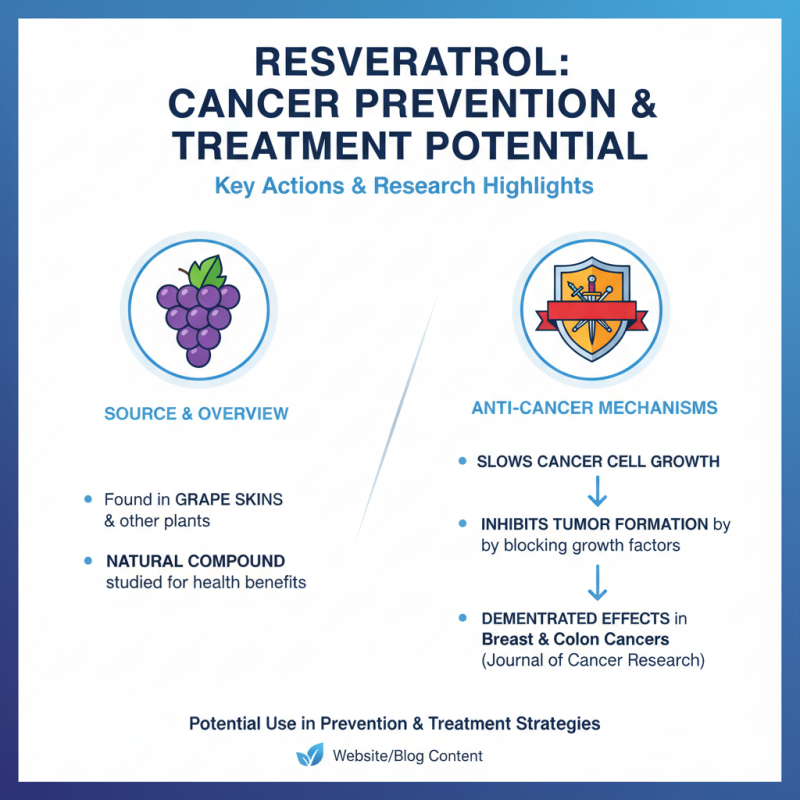
The potential of resveratrol in cancer prevention is garnering attention. Research indicates that this compound, found in grape skins, may slow cancer cell growth. A study published in the "Journal of Cancer Research" revealed that resveratrol demonstrated anti-cancer effects in various cancer types, including breast and colon cancers. The study noted that resveratrol could inhibit tumor formation by blocking certain growth factors involved in cancer progression.
Recent data from the National Cancer Institute suggest that resveratrol may also enhance the effects of traditional treatments. It shows promise in making cancer cells more sensitive to chemotherapy and radiation. Some studies hint at a link between resveratrol intake and improved survival rates in certain patients. However, the research is still evolving. There are challenges related to bioavailability, making it unclear how much resveratrol one needs for an effective dose.
Moreover, the mechanism behind resveratrol's potential benefits is complex. It interacts with multiple cellular pathways. Some researchers question the reproducibility of these findings. More clinical trials are essential to confirm the efficacy of resveratrol as a cancer treatment. Addressing these uncertainties could lead to better integration of resveratrol in future cancer therapies.

 Food Additives