
Active Pharmaceutical Ingredients




What is NRCL Nicotinamide Riboside Chloride Powder?
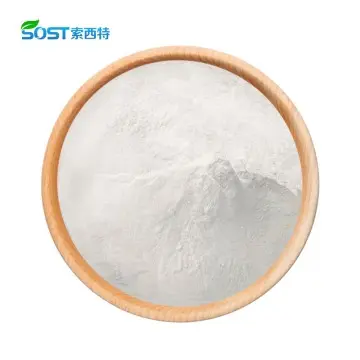
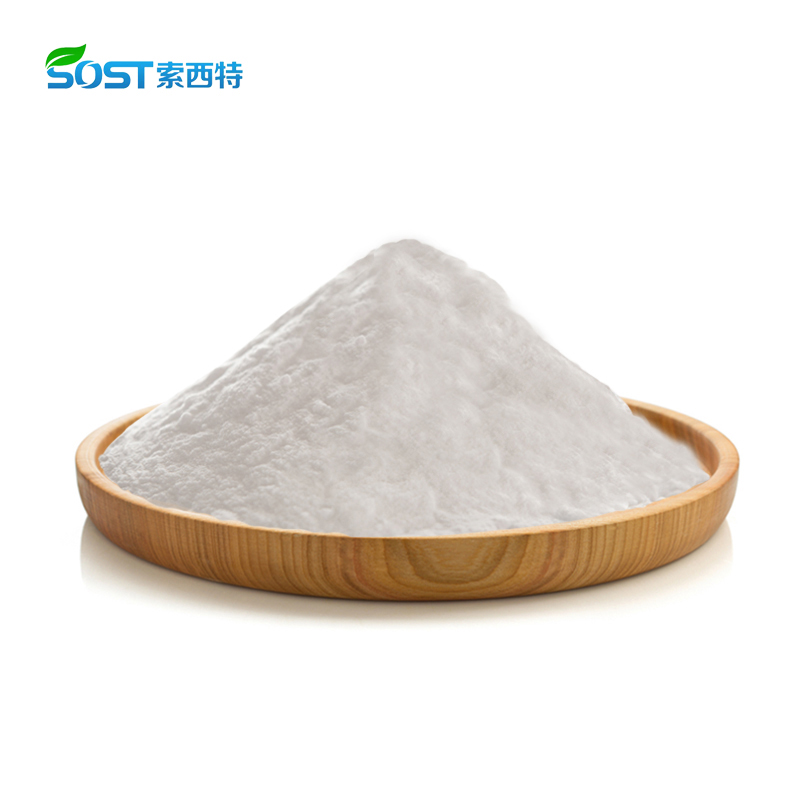
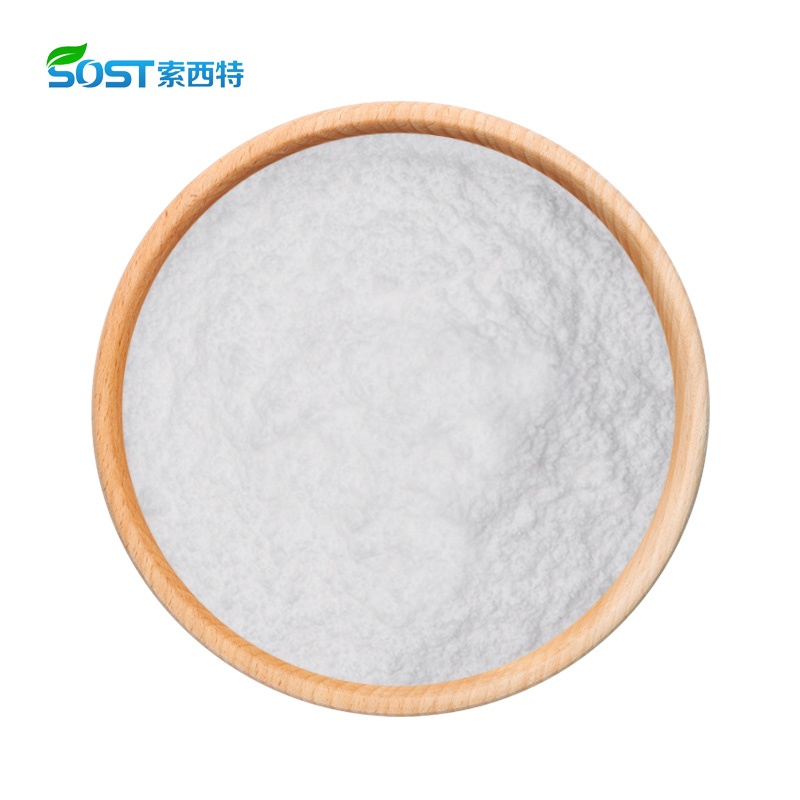
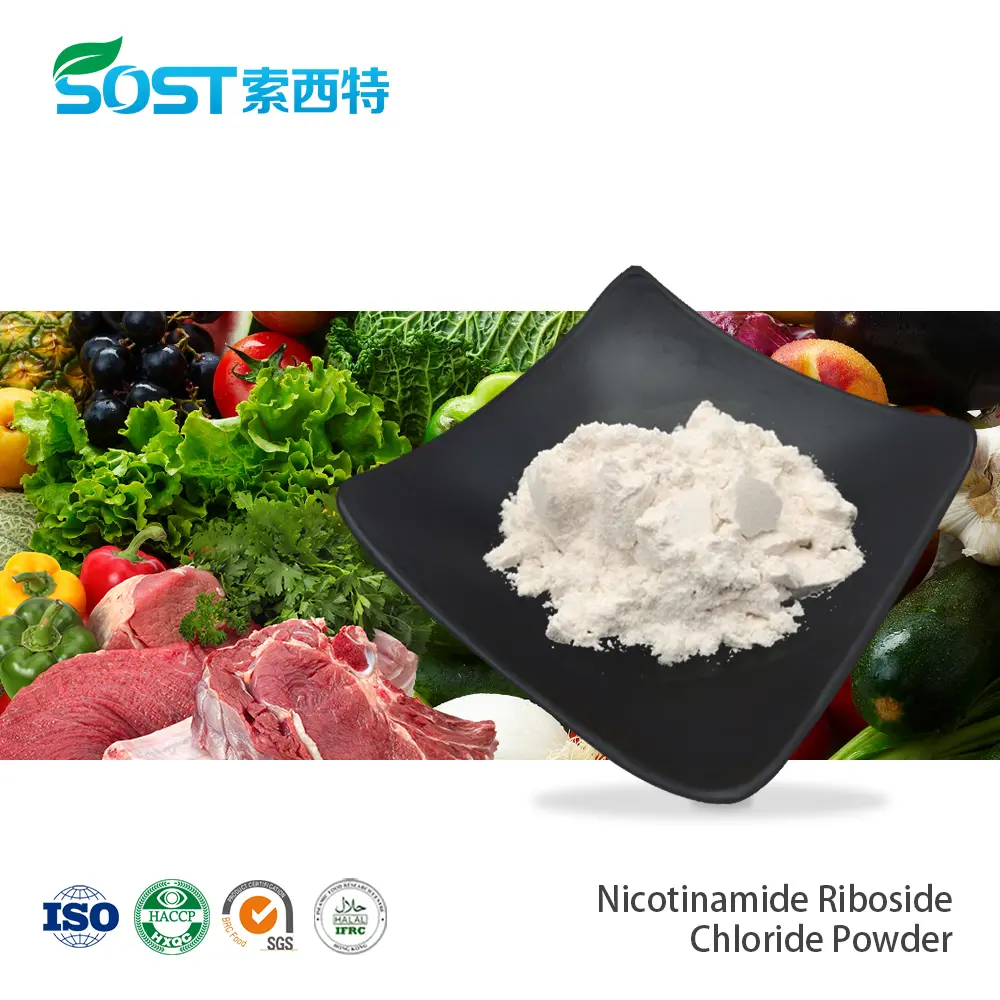
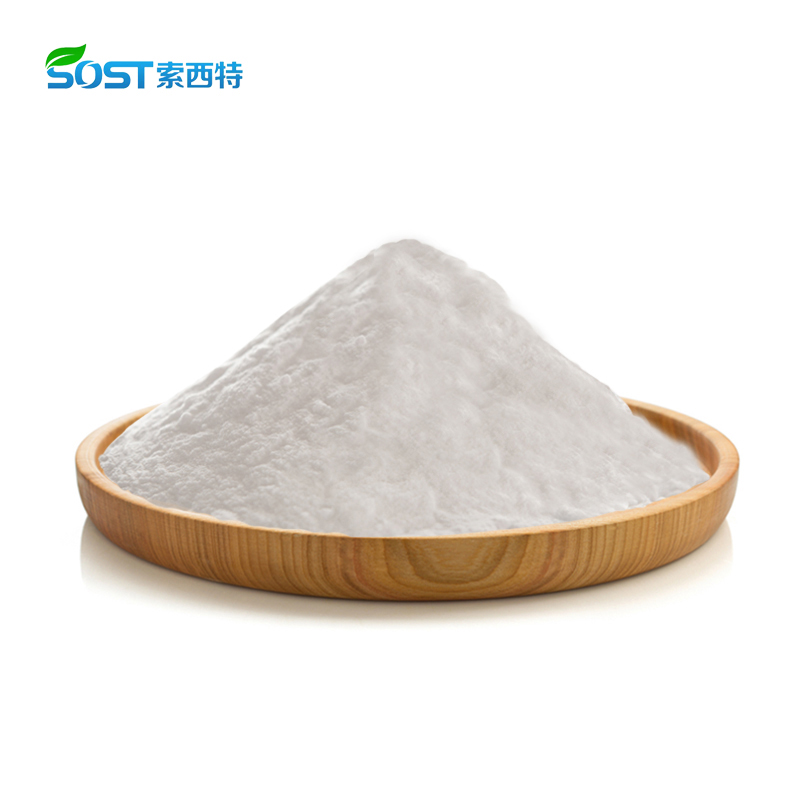
Nicotinamide Riboside Chloride Powder (NR-Cl) is a member of the vitamin B3 family. It is chemically derived from nicotinamide and ribose linked by a β-1,4-glycosidic bond, then salted with a molecule of hydrochloric acid. This powder is typically white to off-white, hygroscopic, and water-soluble, with a purity of ≥98%. Its solubility in water at 25°C can reach over 50 mg/mL, making it easy to formulate into various dosage forms, including capsules, tablets, and solid beverages.
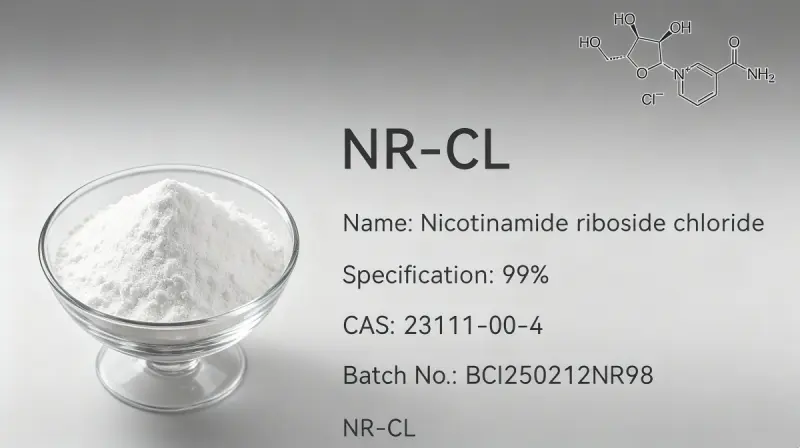
COA
| Analysis | Description | Test Method |
| Appearance | White Powder | Visual |
| Odor | Characteristic | Nasil |
| Identification | Conform with reference sample | HPLC |
| Loss on Drying | ≤0.5% | GB5009.3 |
| Residue on Ignition | ≤0.5% | GB5009.4 |
| Pb | ≤0.5% | CP2020 |
| As | ≤0.15% | CP2020 |
| Cd | ≤2.5% | CP2020 |
| Hg | ≤1.5% | CP2020 |
| Assay | ≥98% | HPLC |
NRCL Main functions
Neuroprotection and Cognitive Recovery
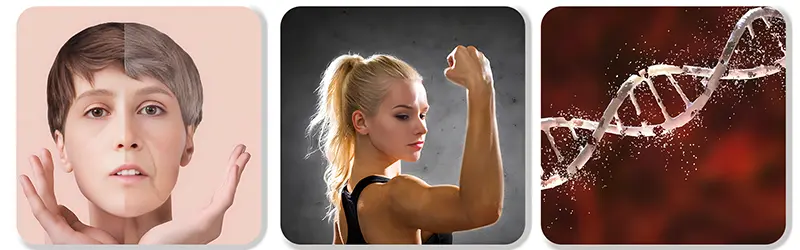
I have energy deficits very easily. NR-Cl increases neuronal NAD+, promotes PGC-1α-mediated mitochondrial biogenesis, and inhibits PARP hyperactivity, reducing apoptosis after ischemia-reperfusion. In one report, NR-Cl (250 mg daily) for 16 weeks in adults with mild cognitive impairment (MCI) showed a 0.25 SD improvement in total memory scores and an increase in Aβ42/40 ratio in cerebrospinal fluid, suggesting s Alloz may affect disease progression.
Exercise and Muscle Repair
Skeletal muscle is an energy-intensive tissue, and NAD+ utilization increases dramatically after exercise. NR-Cl can rapidly compensate for this deficiency by activating the SIRT1-AMPK axis, promoting PGC-1α expression, and increasing mitochondrial density and the amount of oxidative myofibers.
Immune modulation and antimicrobial effects
NAD+ is the “fuel” used by the PARP family to repair virus-induced DNA damage. By maintaining the NAD+ pool, NR-Cl increases the secretion of cytokines such as IFN-γ and TNF-α, and promotes the anti-inflammatory response in macrophages.
I have energy deficits very easily. NR-Cl increases neuronal NAD+, promotes PGC-1α-mediated mitochondrial biogenesis, and inhibits PARP hyperactivity, reducing apoptosis after ischemia-reperfusion. In one report, NR-Cl (250 mg daily) for 16 weeks in adults with mild cognitive impairment (MCI) showed a 0.25 SD improvement in total memory scores and an increase in Aβ42/40 ratio in cerebrospinal fluid, suggesting s Alloz may affect disease progression.
Exercise and Muscle Repair
Skeletal muscle is an energy-intensive tissue, and NAD+ utilization increases dramatically after exercise. NR-Cl can rapidly compensate for this deficiency by activating the SIRT1-AMPK axis, promoting PGC-1α expression, and increasing mitochondrial density and the amount of oxidative myofibers.
Immune modulation and antimicrobial effects
NAD+ is the “fuel” used by the PARP family to repair virus-induced DNA damage. By maintaining the NAD+ pool, NR-Cl increases the secretion of cytokines such as IFN-γ and TNF-α, and promotes the anti-inflammatory response in macrophages.

How does NRCL work in the body?
After oral administration of NR-Cl(Nicotinamide Riboside Chloride), a "nucleoside green channel" in the small intestine allows NR-Cl to enter the bloodstream without being unpacked, with minimal loss during its initial passage through the liver.
Nicotinamide riboside kinase (NRK) lurks in the cytoplasm, attaching a phosphate cap to NR-Cl, transforming it into NMN. NMN is then transported into the mitochondria or nucleus, where it combines with ATP and transforms into NAD⁺. The entire process requires only two steps, eliminating a rate-limiting enzyme compared to the traditional B3 "niacin → NAD⁺" or "nicotinamide → NAD⁺" pathways, doubling the speed.
Once NAD⁺ arrives, it first activates a group of "longevity proteins" called Sirtuins:
SIRT1 deacetylates "aging switches" like p53 and NF-κB in the cell nucleus, keeping the DNA repair team on 24-hour standby;
SIRT3 "unblocks" the enzymes responsible for burning fat in the mitochondria, giving the mitochondria a new engine;
SIRT7, stationed in the nucleolus, regulates the ribosome factory, ensuring a stable protein supply chain.
NR-Cl, by replenishing NAD⁺, supports PARP repair while preventing overconsumption. It can also indirectly inhibit CD38 activity, reducing immune aging.
Nicotinamide riboside kinase (NRK) lurks in the cytoplasm, attaching a phosphate cap to NR-Cl, transforming it into NMN. NMN is then transported into the mitochondria or nucleus, where it combines with ATP and transforms into NAD⁺. The entire process requires only two steps, eliminating a rate-limiting enzyme compared to the traditional B3 "niacin → NAD⁺" or "nicotinamide → NAD⁺" pathways, doubling the speed.
Once NAD⁺ arrives, it first activates a group of "longevity proteins" called Sirtuins:
SIRT1 deacetylates "aging switches" like p53 and NF-κB in the cell nucleus, keeping the DNA repair team on 24-hour standby;
SIRT3 "unblocks" the enzymes responsible for burning fat in the mitochondria, giving the mitochondria a new engine;
SIRT7, stationed in the nucleolus, regulates the ribosome factory, ensuring a stable protein supply chain.
NR-Cl, by replenishing NAD⁺, supports PARP repair while preventing overconsumption. It can also indirectly inhibit CD38 activity, reducing immune aging.
How to buy NRCL Nicotinamide Riboside Chloride Powder?
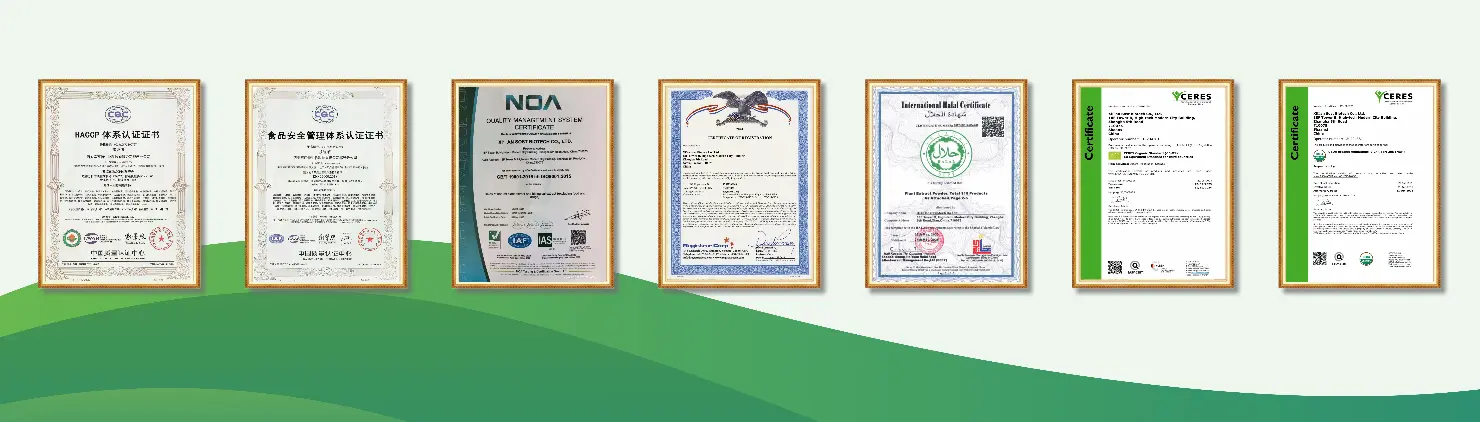
If you need tons of Coenzyme NADP (Beta-Nicotinamide Adenine Dinucleotide Phosphate) raw materials or customized small packages, you can contact SOST factory directly. We support OEM strip packs, square packs, and cans. We are ISO9001 and ISO22000 certified, with an annual production capacity of 20,000 tons and export to 50 countries. The minimum order for samples is 1 kg.
Contact email:ericyang@xasost.com
Contact email:ericyang@xasost.com
Product Data Sheets
| Analysis | Description | Test Method |
| Appearance | White Powder | Visual |
| Odor | Characteristic | Nasil |
| Identification | Conform with reference sample | HPLC |
| Loss on Drying | ≤0.5% | GB5009.3 |
| Residue on Ignition | ≤0.5% | GB5009.4 |
| Pb | ≤0.5% | CP2020 |
| As | ≤0.15% | CP2020 |
| Cd | ≤2.5% | CP2020 |
| Hg | ≤1.5% | CP2020 |
| Assay | ≥98% | HPLC |
Packing & Shipping
What We Can Do?