
Food Additives
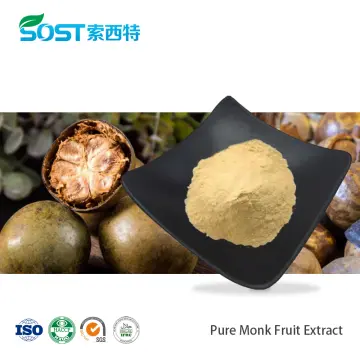
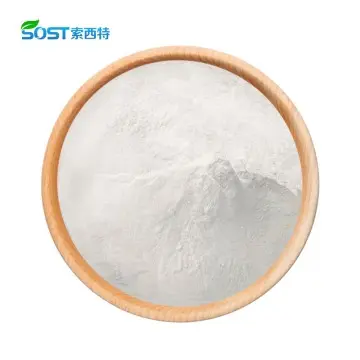

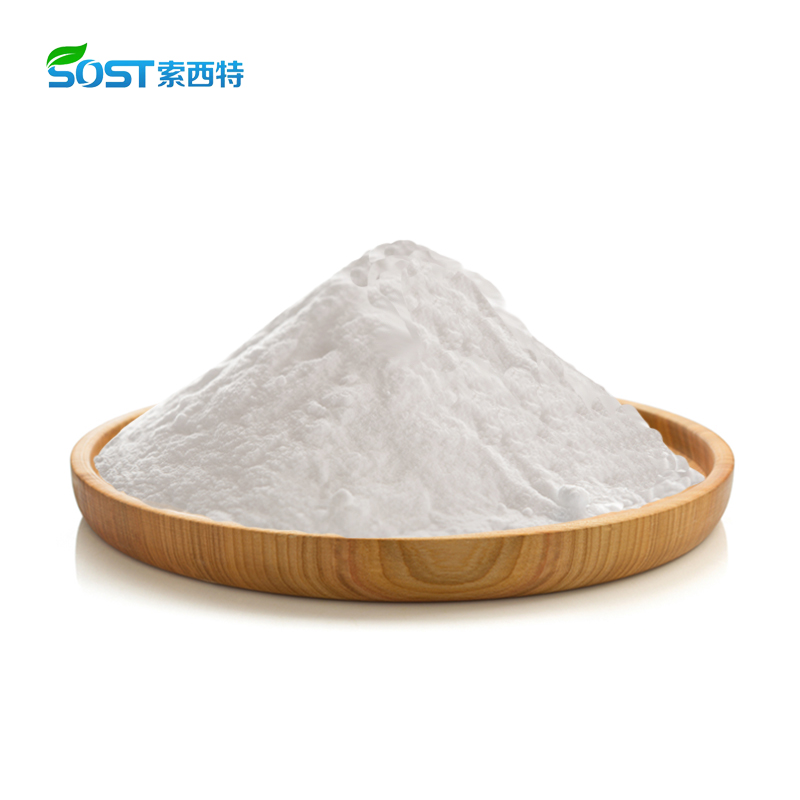
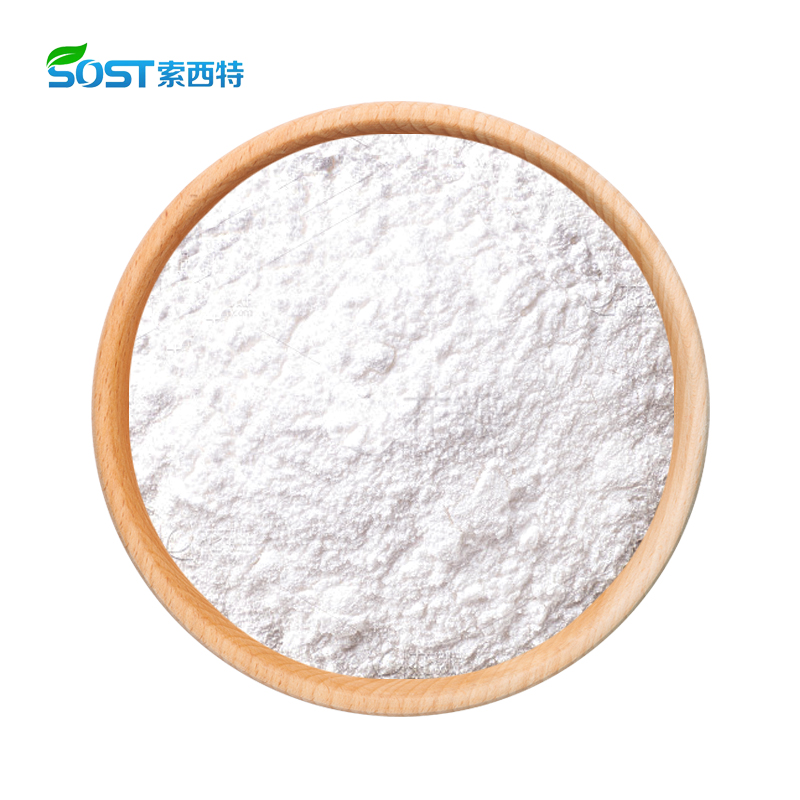
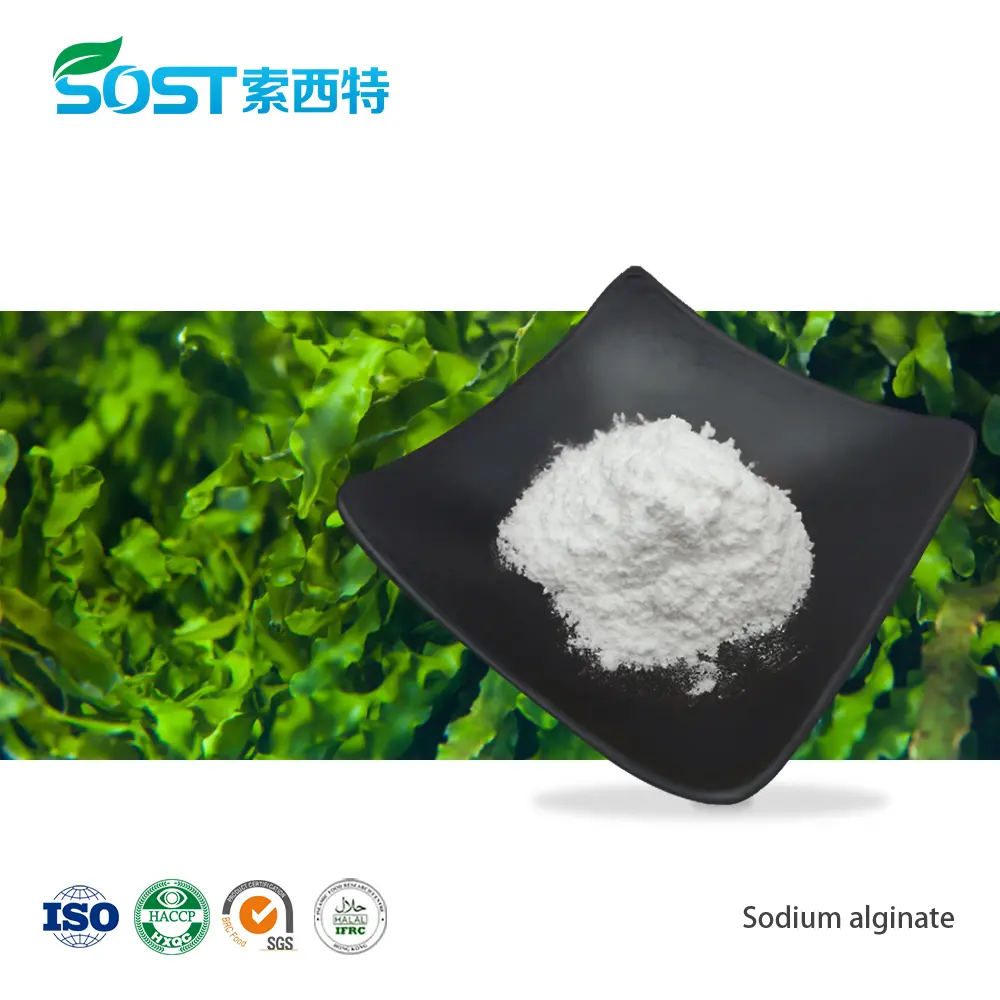



what is Alginic Acid Sodium Salt Powder?
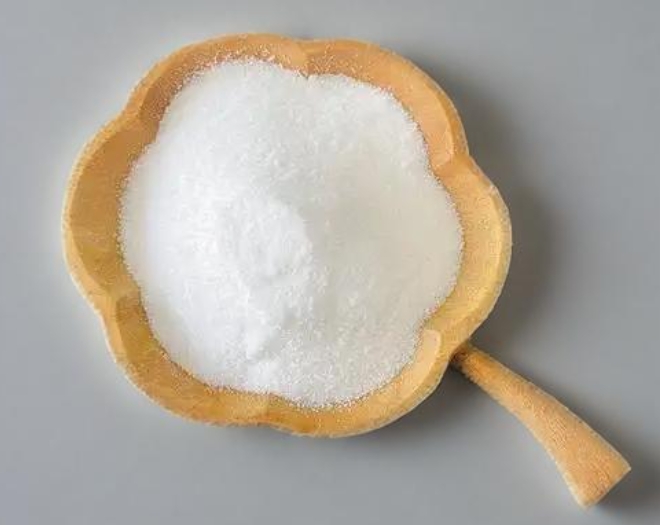
Alginic Acid Sodium Salt Powder is a high molecular weight natural compound extracted mainly from brown algae cells. The most common raw material is buffalo. Green algae are widely distributed in the world's oceans and are most abundant in tropical and subtropical waters.
COA
| ITEMS | STANDARD | RESULT |
|---|---|---|
| Appearance | Milk white powder | Complies |
| Viscosity mpa.s | 600cps | 680cps |
| Size mesh | 120mesh | Complies |
| Moisture | ≤15.0% | 14.0% |
| Ash | 18-27% | 22.54% |
| As | ≤0.0002% | <0.0002% |
| Pb | ≤0.0004% | <0.0004% |
| PH value | 6.0-8.0 | 6.0-8.0 |
| Insoluble substance | ≤0.6% | 0.37% |
| Light Transmission | Complies | Complies |
Why is Alginic Acid Sodium Salt Powder irreplaceable?
1. Unique calcium ion cross-linking cell mechanism: Alginic Acid Sodium Salt Powder can undergo ion-to-ion cross-linking reaction with calcium ions at low temperatures to form a stable triangular cell structure. The "golden cell" feature has unique advantages in encapsulating products, providing biomimetic foods, and forming food films that are difficult to imitate by other columns.
2. Edible Film and Coating Technology: After drying, sodium alginate powder solution can form a transparent, elastic and oil-resistant edible film, which is widely used for the protective coating of fruits, vegetables, cheese, meat and other foods. The film not only provides a physical barrier, but also can contain antioxidants and antioxidants that extend the shelf life of food.
3. Pharmaceutical and biotechnology applications: In the pharmaceutical industry, sodium alginate is used for the production of drugs such as sustainable related carriers, wound dressings and prosthetic base materials. Its excellent biocompatibility and biodegradability make it suitable for tissue engineering and cell immobilization applications.
4. Bioremediation and Environmental Protection Function Sodium alginate bulk also shows unique value in the field of bioremediation. The carboxyl group in its molecular structure can bind heavy metal ions, which can absorb and remove heavy metals from water, making water a green and environmentally friendly material.
2. Edible Film and Coating Technology: After drying, sodium alginate powder solution can form a transparent, elastic and oil-resistant edible film, which is widely used for the protective coating of fruits, vegetables, cheese, meat and other foods. The film not only provides a physical barrier, but also can contain antioxidants and antioxidants that extend the shelf life of food.
3. Pharmaceutical and biotechnology applications: In the pharmaceutical industry, sodium alginate is used for the production of drugs such as sustainable related carriers, wound dressings and prosthetic base materials. Its excellent biocompatibility and biodegradability make it suitable for tissue engineering and cell immobilization applications.
4. Bioremediation and Environmental Protection Function Sodium alginate bulk also shows unique value in the field of bioremediation. The carboxyl group in its molecular structure can bind heavy metal ions, which can absorb and remove heavy metals from water, making water a green and environmentally friendly material.
Where to buy Alginic Acid Sodium Salt Powder?
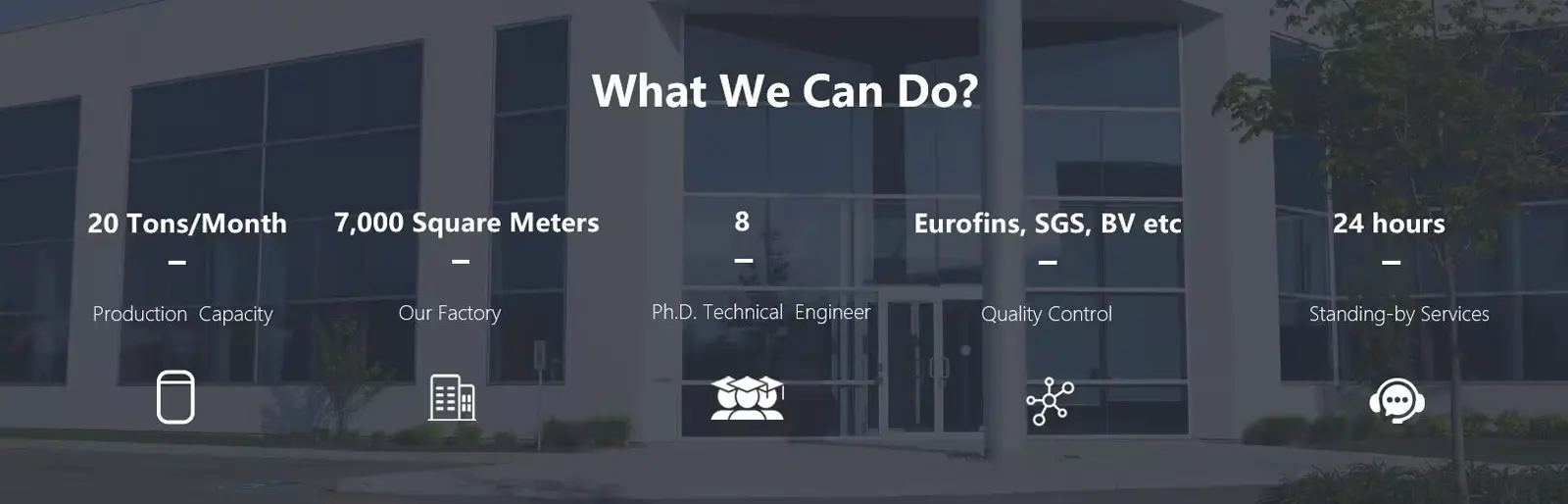
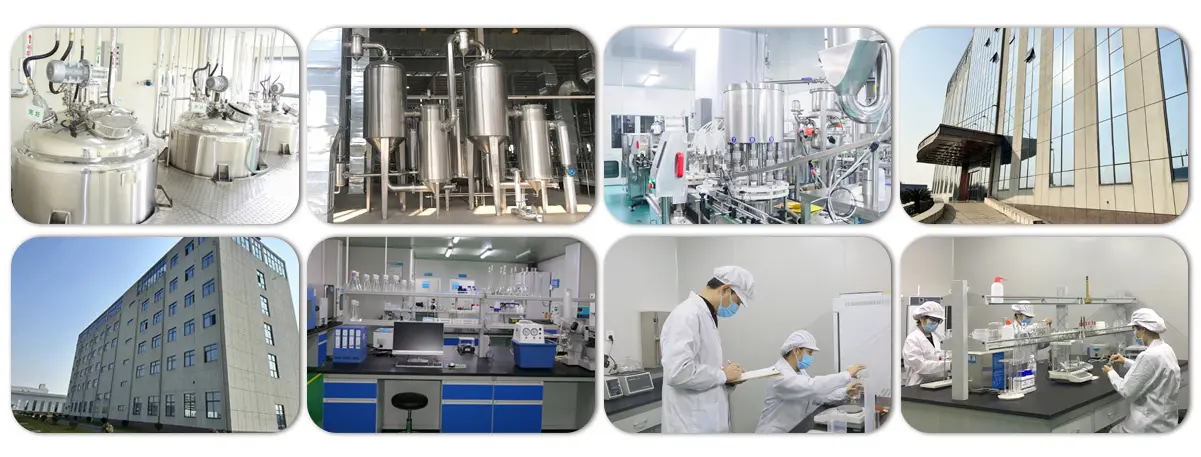
Sost biotech is a manufacturer of Active ingredients extracts, the main categories include plant extracts, Chinese herbal powder, biochemical raw materials, natural extracted raw materials.
1.We have SC factory system, with HALAL, kosher,HACCP, ISO9001,ISO22000 certificates and other complete strength factories.
2.All of our ingredients meet strict quality and food safety standards, and surpass industry standards for purity and cleanliness.
3.Factory direct delivery, can be commodity inspection, have better customs clearance capacity
Product Data Sheets
| Testing Items | Specifications | Method |
| Appearance | off-white or white powder | Visual |
| Melting Point | 92~96°C | Ch.p 2015 II Appendix |
| Assay(HPLC) | >99% | HPLC(liquidoid) |
| Loss on drying | <0.5% | Ch.p 2015II Appendix |
| Moisture Content | <0.5% | GB 5009.3 |
| Karl Fiscoher method | ||
| Ignition Residue | <0.5% | Ch.p 2015II Appendix |
| Heavy Metals | <10ppm | GB 5009.74 |
| Lead(Pb) | ≤5ppm | ISO 17294-2 2016 |
| Arsenic(As) | ≤2ppm | ISO 17294-2 2016 |
| Cadmium(Cd) | ≤2ppm | ISO 17294-2 2016 |
| Mercury(Hg) | ≤1ppm | BS EN 13806:2002 |
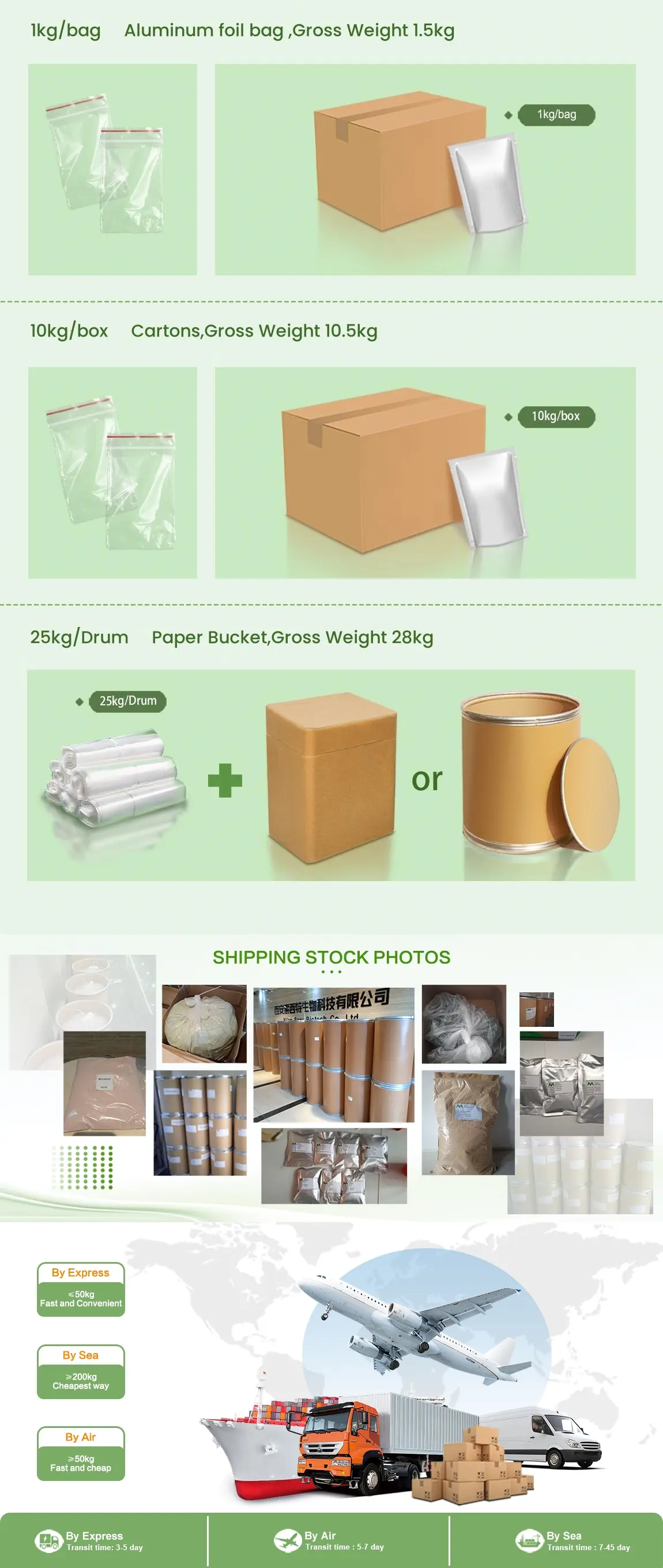
Packing & Shipping
What We Can Do?